Timeless Tools

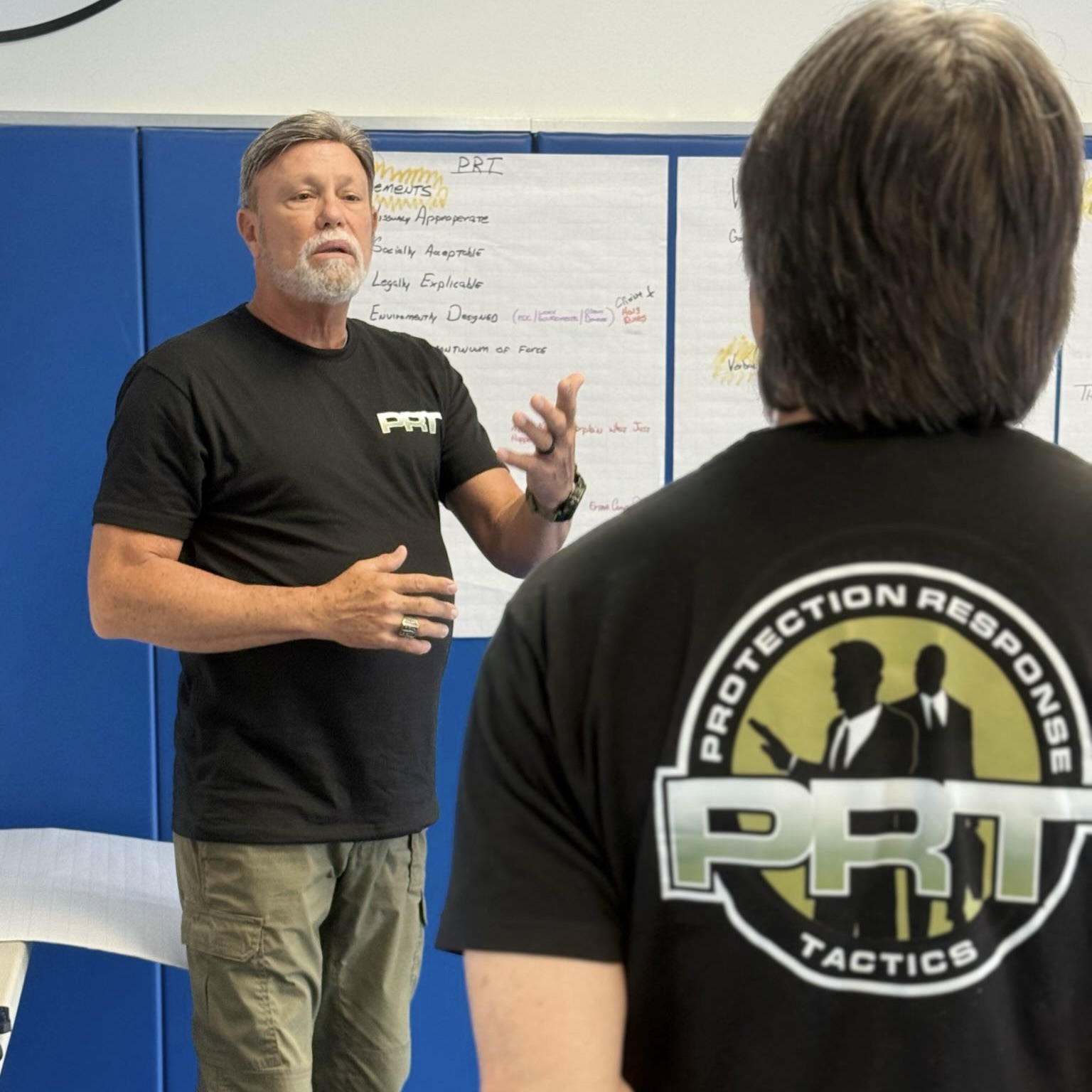
I talk about developing timeless tools all the time, because I’ve watched the same story play out for decades. A student starts training, gets excited, gets strong, gets fast, learns a pile of techniques, and for a while, they feel unstoppable. Then life shows up. Mileage shows up. Injuries show up. Stress shows up. Work, family, travel, responsibility, time under tension in the real world. Somewhere down the road that same student starts saying the sentence that makes my eye twitch: “I’m just not what I used to be.”
Flipping The ‘State’ Switch

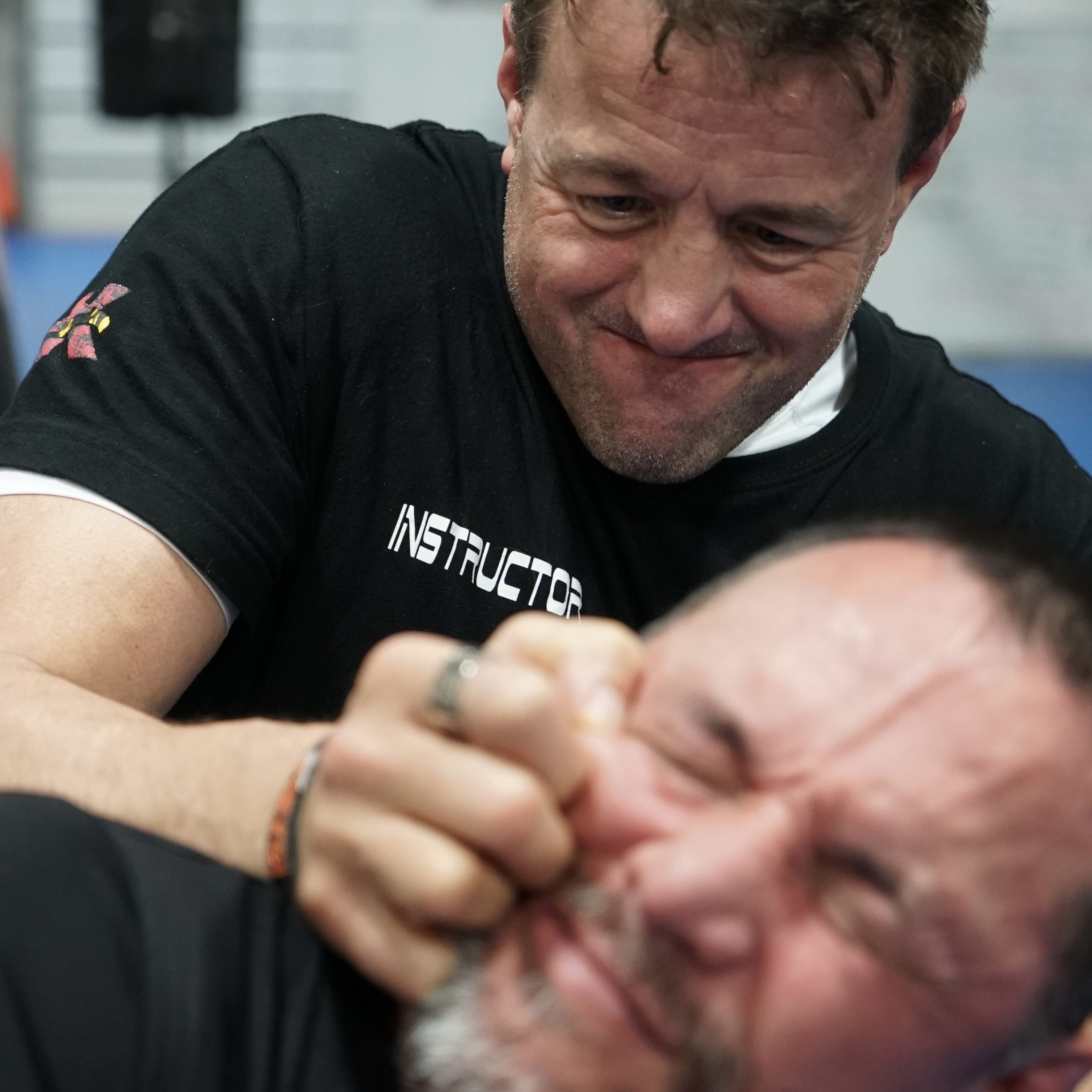
When people watch high-level performers, they often ask some version of the same question: “How do you just flip that switch?” One moment, you are relaxed, laughing, talking with friends. The next moment, your posture changes, your eyes harden, your breathing drops, and your whole presence shifts into a different gear. From the outside, it looks like magic. It is not magic. It is training.

Gear Creates An Illusion Of Safety And False Outcomes

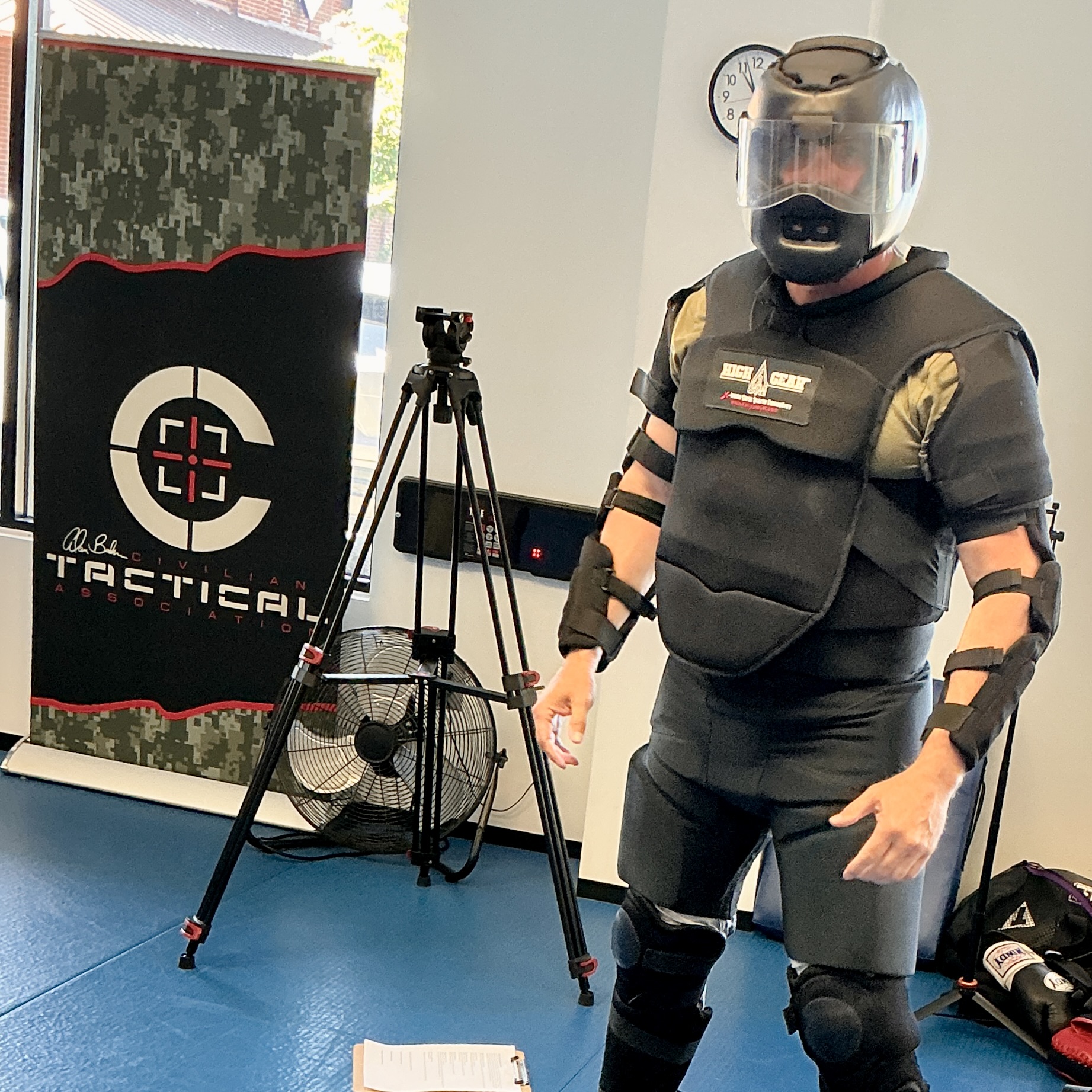
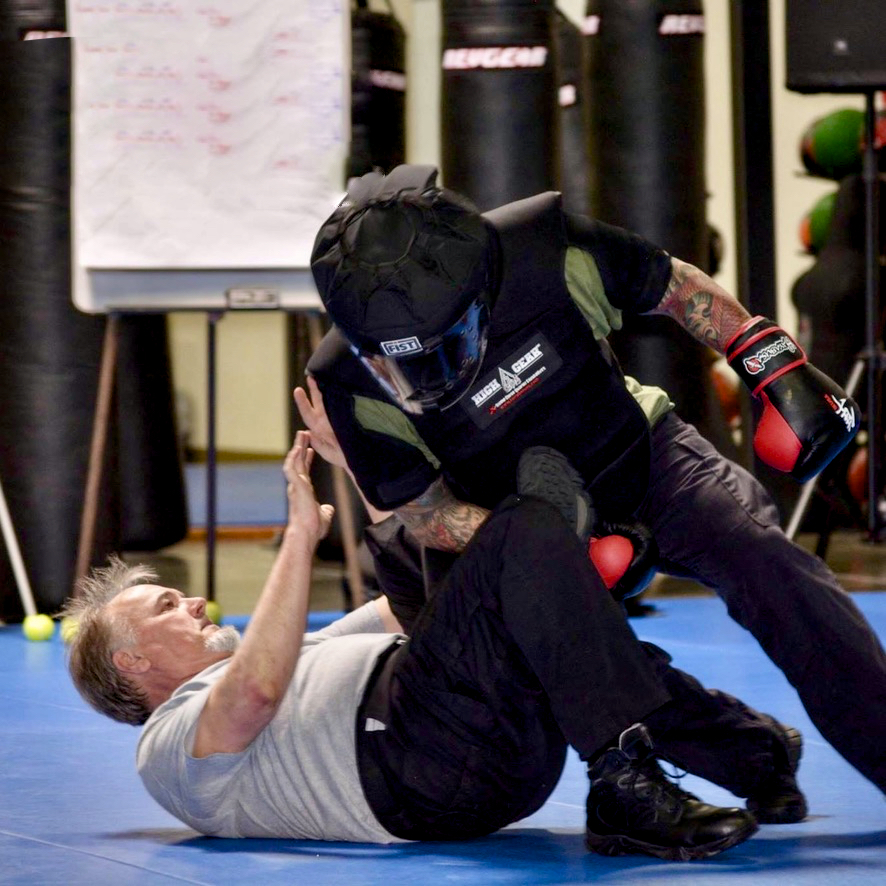
If you spend any time in the defensive tactics, martial arts, or combatives world, you have seen the same scene play out. People suit up in large, padded outfits, full-face helmets, thick gloves, groin protectors, shin guards, and sometimes chest and back armor. The instructor announces that they are going “full force” and that now the training is “real.” From the outside, it looks intense and impressive. From the inside, everyone feels the adrenaline spike. They breathe hard, struggle, shout, and come away with the sense that they did something truly serious and realistic.

Building Tools for Every Level of Force In The Encounter

You should have answers and tools for every part of a combative encounter. If the only option you trust is your firearm, stress will pull you toward that single solution. When you build more trained options across the force ladder, you can solve problems at lower levels and reserve higher force for the moments when you have no other choice.

The C-Tac Hierarchy Of Weaponry Principle 

In my approach, I teach this hierarchy not to diminish the value of grappling, but to frame it correctly. Grappling is not the preferred starting point; it’s the final layer of survival when all else has failed.