
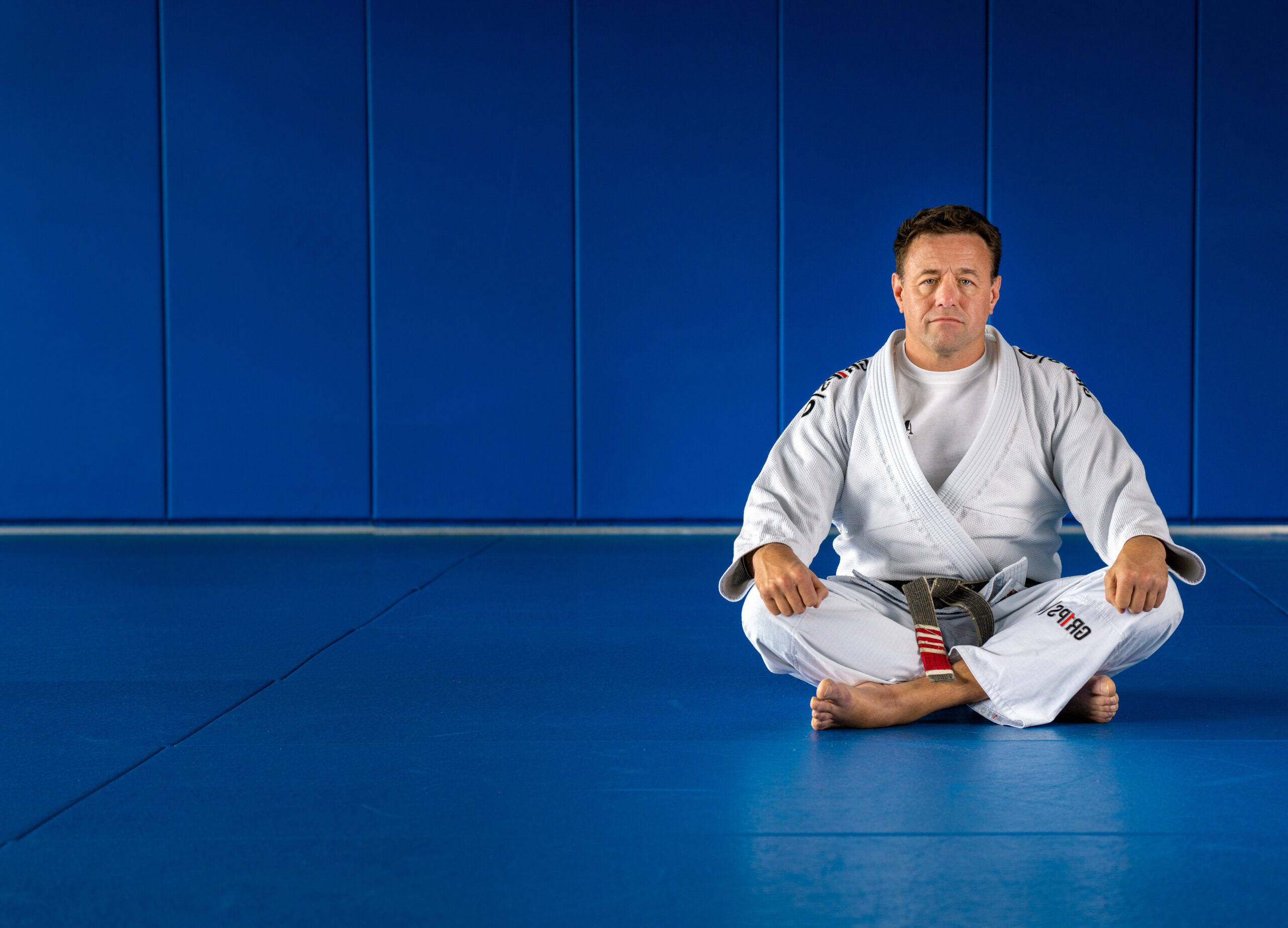
Living Mechanics Online Jiu-Jitsu Academy
Living Mechanics
Online Brazilian Jiu Jitsu School
Brazilian Jiu Jitsu taught online through structure, leverage, mechanics, control, and real world application.
Learn directly from 4th Degree Brazilian Jiu-Jitsu Black Belt Alan Baker through a structured online academy designed to help students understand the deeper mechanics behind effective grappling. Every lesson is built around intelligent movement, mechanical efficiency, and long-term development.
The Living Mechanics Difference
Built Around Understanding, Not Memorization
Living Mechanics was created to help students understand the principles behind effective Brazilian Jiu-Jitsu, so their training becomes more organized, adaptable, and useful over time.
Why This System Is Different
Techniques Matter. Understanding Matters More.
Many students collect techniques without fully understanding why those techniques work. They learn a move, forget a detail, lose the position, and then look for another move to solve the same problem.
Living Mechanics approaches Brazilian Jiu-Jitsu differently. The goal is to help students understand structure, leverage, alignment, pressure, timing, and control so they can make better decisions inside every position.
When you understand the mechanics, you are no longer just copying techniques. You are learning how to think, feel, adjust, and solve problems through Jiu-Jitsu.
Living Mechanics is not built around collecting techniques. It is built around understanding why techniques work.
01
Mechanical Structure
Learn how alignment, frames, wedges, leverage, and body positioning create control without relying only on strength or athleticism.
02
Real-World Application
Study grappling through the lens of practical control, self-protection, positional dominance, pressure, and usable skill.
03
Gi & No-Gi Integration
Develop a complete understanding of Brazilian Jiu-Jitsu that transfers across different training environments and rule sets.
04
Standing Grappling
Build skill in pummeling, clinch work, hand fighting, takedowns, balance, entries, and standing control.
05
Concept-Based Learning
Learn the principles behind positions and transitions so your game becomes more adaptable, intelligent, and connected.
06
Structured Progression
Follow an organized learning path designed to build fundamentals, refine mechanics, connect positions, and support long-term development.
The goal is not simply to learn more moves. The goal is to build a deeper understanding of Jiu-Jitsu.
Inside The Academy
Your Training Environment
The Living Mechanics Academy gives you more than access to videos. It gives you a structured environment for study, practice, review, live training, support, and long-term development.
Learning Environment
Structured Curriculum
Follow a clear progression designed to help you understand what to study, how the material connects, and how your skill should develop over time.
Learning Environment
Video Library
Study a continually growing archive of lessons covering mechanics, positions, transitions, submissions, strategy, seminars, and training concepts.
Learning Environment
Live Training
Use seminars, camps, academy visits, and private training opportunities to sharpen your understanding, pressure-test your progress, and receive direct coaching.
Learning Environment
Student Support
Ask questions, review concepts, and receive guidance so you are not left trying to solve every training problem alone.
Learning Environment
Mechanical Development
Develop the structure, leverage, alignment, pressure, timing, and movement efficiency that make your Jiu-Jitsu more functional.
Learning Environment
Rank Development
Committed students can work toward rank through structured online study combined with required live training opportunities, seminars, camps, academy visits, or private lessons.
This is not random video access. It is an organized training environment built for long-term development.
Meet Your Professor
The Educator Behind Living Mechanics
Living Mechanics Brazilian Jiu-Jitsu is guided by decades of study, teaching, coaching, and refinement across multiple grappling disciplines.
Alan Baker
Founder of Living Mechanics Brazilian Jiu-Jitsu
Teaching Philosophy
Understanding The Mechanics
For nearly five decades I have studied martial arts, grappling, self-protection, coaching, and human performance.
Throughout that journey I became increasingly interested in one simple question.
Why do certain techniques consistently work while others fail under pressure?
That question eventually became Living Mechanics.
Rather than teaching students to memorize endless techniques, Living Mechanics teaches the underlying mechanics that make Brazilian Jiu-Jitsu effective: structure, leverage, alignment, pressure, timing, movement, and intelligent decision-making.
My goal has never been simply to help students perform more techniques. My goal is to help them understand Jiu-Jitsu at a deeper level.
“When you understand the mechanics, every technique begins to make more sense.”
Alan BakerOnline Brazilian Jiu-Jitsu Academy
Train Smarter. Progress Faster.
Learn directly from 4th Degree Brazilian Jiu-Jitsu Black Belt Alan Baker through a structured online curriculum focused on leverage, mechanics, control, positional dominance, and real-world application.
The Living Mechanics Curriculum
Four Parallel Paths Of Development
Technique. Drilling. Mechanics. Mindset.
Unlike most Brazilian Jiu-Jitsu programs, Living Mechanics is built around four organized educational systems that develop together from White Belt through Black Belt. Every level of rank advances through each path simultaneously, creating a deeper understanding of Brazilian Jiu-Jitsu and long-term skill development.
Path One
Technique
This is where students develop the physical skills of Brazilian Jiu-Jitsu through a structured curriculum organized from White Belt through Black Belt. Each level builds upon the previous one, creating a connected system rather than a collection of unrelated techniques.
Path Two
Drilling
Living Mechanics includes a dedicated drilling curriculum that develops movement, timing, sensitivity, transitions, pressure, and mechanical efficiency. Every rank contains organized drills designed to improve performance beyond simply learning techniques.
Path Three
Mechanics
Students study skeletal alignment, leverage, structure, pressure, unitary motion, and mechanical efficiency through an organized curriculum unique to Living Mechanics. Rather than treating mechanics as a vague idea, it becomes a formal subject of study.
Path Four
Mindset
Every rank includes specific thinking patterns, decision-making principles, strategies, and philosophical lessons designed to guide the student’s mental development alongside their physical training.
Most Brazilian Jiu-Jitsu programs teach one curriculum. Living Mechanics develops four.
The Living Mechanics Curriculum
Standing Grappling
The fight begins before the fight reaches the ground.
Living Mechanics gives students a structured education in the standing phase of grappling, including hand fighting, pummeling, clinch work, takedowns, throws, striking awareness, self-protection, and the transition from standing control to ground control.
More Than A Takedown List
Standing grappling is not treated as a handful of disconnected takedowns. It is taught as its own organized field of study where balance, connection, posture, grips, entries, pressure, timing, and tactical decision-making all work together.
Many Brazilian Jiu-Jitsu students spend most of their time on the ground, but real encounters and many training exchanges begin on the feet. Living Mechanics prepares students to understand that phase with clarity and structure.
Alan Baker’s background in Brazilian Jiu-Jitsu, Judo, Combat Submission Wrestling, Catch Wrestling, Shoot Wrestling, Muay Thai, Burmese Boxing, and self-protection gives this part of the curriculum unusual depth.
The goal is not simply to get the fight to the ground. The goal is to understand how to control the standing phase, make intelligent decisions, and enter the next phase from a position of advantage.
Hand Fighting
Students learn how to fight for grips, inside position, frames, head position, wrist control, and connection before larger takedown or clinch opportunities appear.
Pummeling
Pummeling develops sensitivity, underhook awareness, body positioning, pressure, balance, and the ability to move from neutral contact into dominant control.
Clinch Fighting
The clinch curriculum studies body locks, head position, frames, off-balancing, control ties, pressure, positional dominance, and transitions into takedowns or disengagement.
Judo & Throws
Students are introduced to fundamental Judo throwing concepts, including posture, kuzushi, entries, footwork, balance breaking, and the mechanics of taking an opponent to the ground safely and effectively.
Randori
Randori is the practice of live, adaptive training where students learn to apply standing skills against movement, resistance, timing changes, and an actively responding partner.
Fundamental Striking
Living Mechanics includes basic striking education because students must understand how strikes are delivered in order to defend against them, close distance intelligently, and transition safely into grappling.
Self-Protection Integration
The standing curriculum connects directly to self-protection by studying posture, awareness, distance, clinch entries, control, disengagement, and the realities of applying grappling outside of sport conditions.
Standing grappling gives students the ability to control the first phase of conflict. That changes everything that happens next.
The Living Mechanics Curriculum
Ground Grappling
Where Brazilian Jiu-Jitsu becomes a complete study of control.
Once the fight reaches the ground, Living Mechanics studies Brazilian Jiu-Jitsu through control, mechanics, strategy, self-protection, and the ability to move between grappling, striking, and weapon-aware decision making.
Ground Grappling Study
Gi & No-Gi Training
Students study Brazilian Jiu-Jitsu in both gi and no-gi formats so they can understand grips, controls, movement, pressure, submissions, positional transitions, and mechanical principles across multiple training environments.
Influence One
Pedro Sauer Influence
Influence Two
Erik Paulson Influence
Ground grappling in Living Mechanics is not limited to sport positions. It is built to connect control, mechanics, self-protection, and real-world application.
Begin Studying Living MechanicsA Continually Growing Academy
This Is Not A Static Video Library
Living Mechanics continues to grow as Alan Baker teaches, travels, films, studies, and refines the curriculum. New lessons, event footage, seminar material, training camp recordings, and technical updates are continually added to the academy.
Ongoing Education
The Archive Keeps Expanding
Students are not entering a frozen course. They are entering a living academy where the curriculum continues to grow through direct teaching, live events, private study, public seminars, and ongoing technical development.
Training Camps
Recorded And Added
Jiu-Jitsu Conferences
Long-Form Study
Public Seminars
Field Lessons
Platform Updates
Consistent Growth
Coach Bob Burgee
The Living Mechanics platform is supported by Coach Bob Burgee, the technical director behind multiple successful martial arts education platforms. Bob oversees the organization, editing, platform updates, and technical development that help keep the academy clean, usable, and continually growing.
Living Mechanics is built to grow with the student. As the archive expands, the learning path continues to deepen.
Begin Your MembershipStudent Experience
What It Is Like To Learn Inside Living Mechanics
Every student arrives with different goals, backgrounds, and levels of experience. What they often discover is something larger than a collection of techniques. They discover an organized system of study designed to help them think more clearly, train more effectively, and continue improving for years to come.
Clarity
Students stop collecting random techniques and begin understanding how Brazilian Jiu-Jitsu fits together as a connected system.
Confidence
Mechanical understanding replaces guesswork, allowing students to perform with greater consistency and make better decisions under pressure.
Community
Students become part of a learning environment committed to serious study, continual improvement, and long-term development.
Lifelong Development
The curriculum continues growing alongside the student through new lessons, seminars, camps, conference recordings, and ongoing study opportunities.
Student Feedback
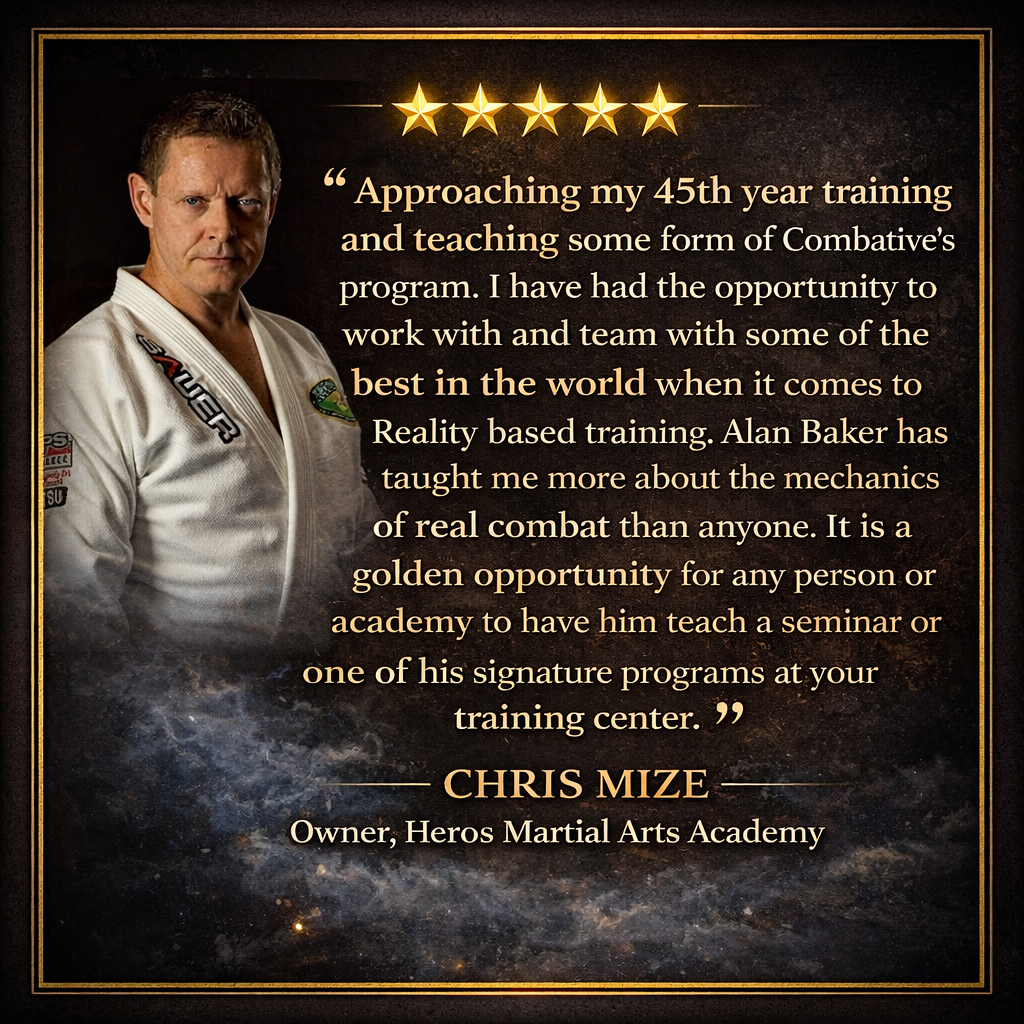
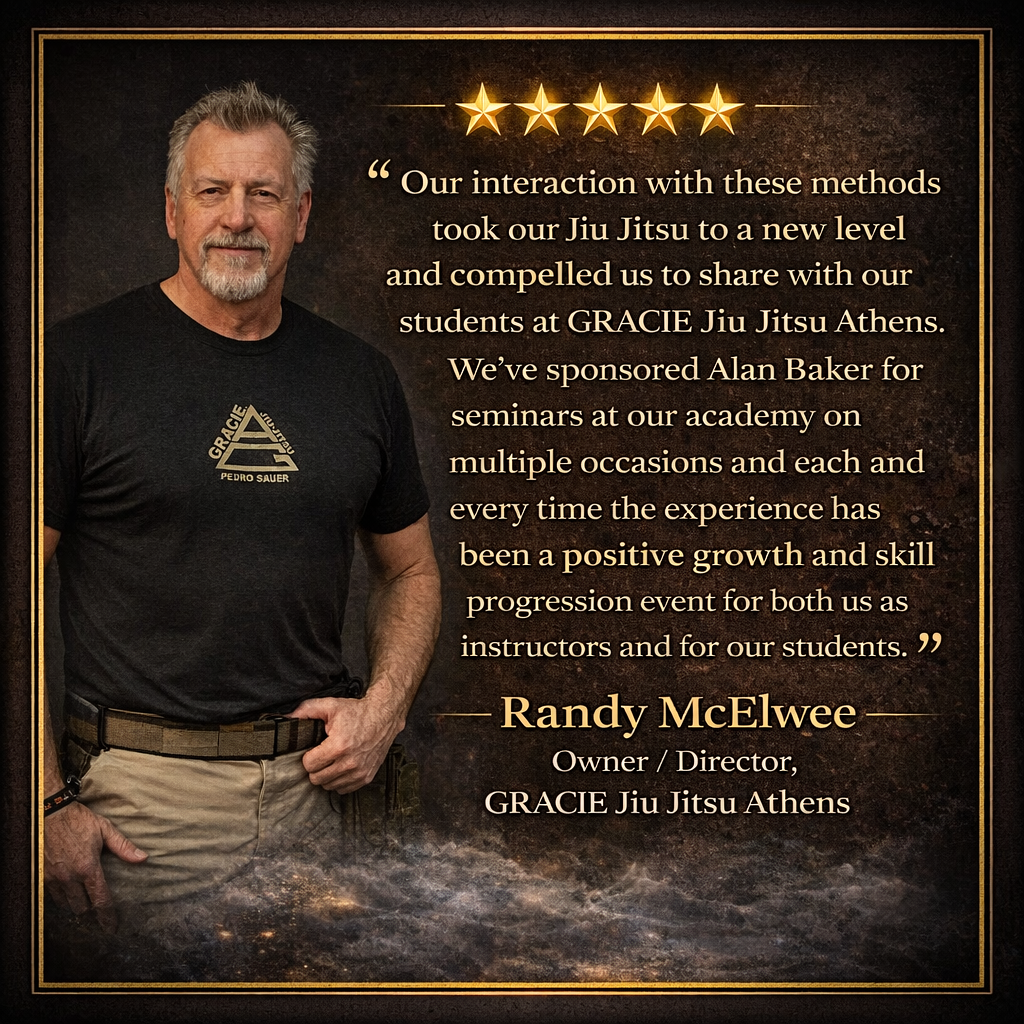
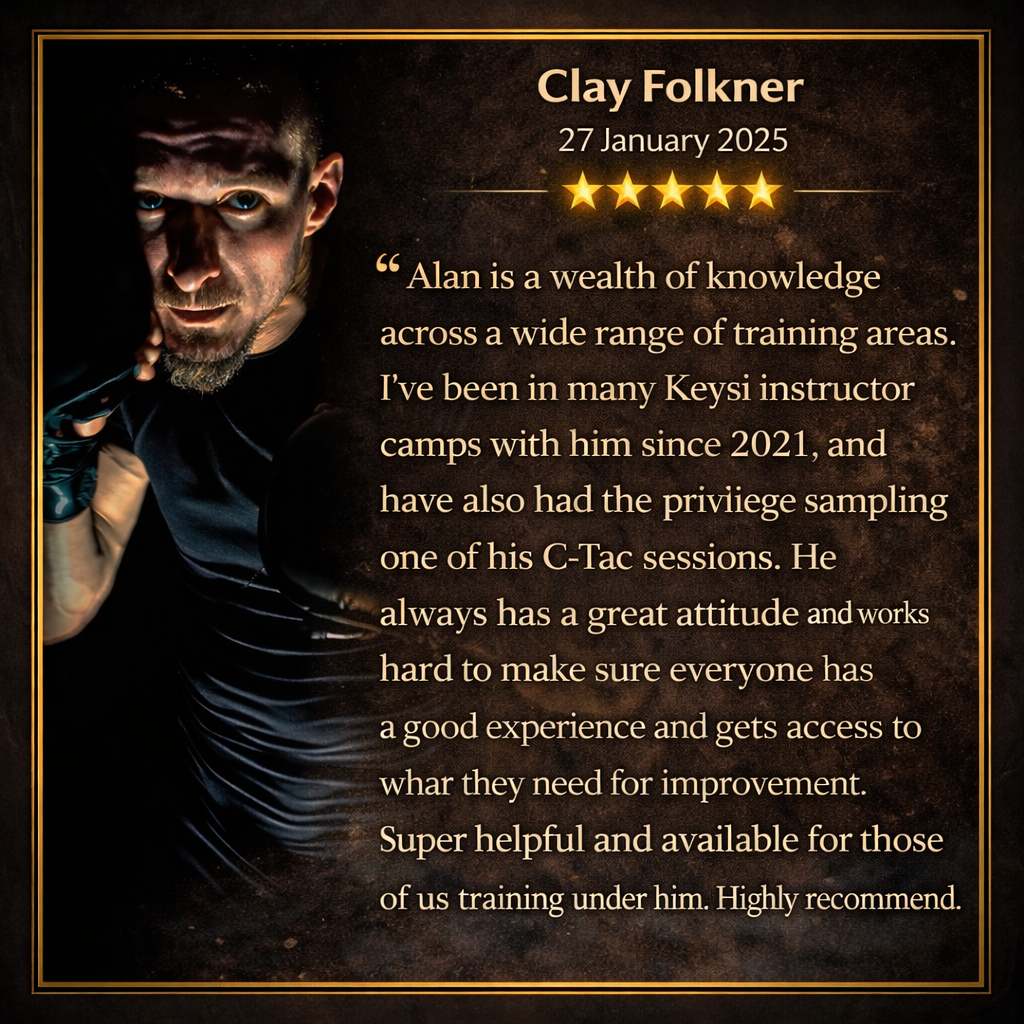
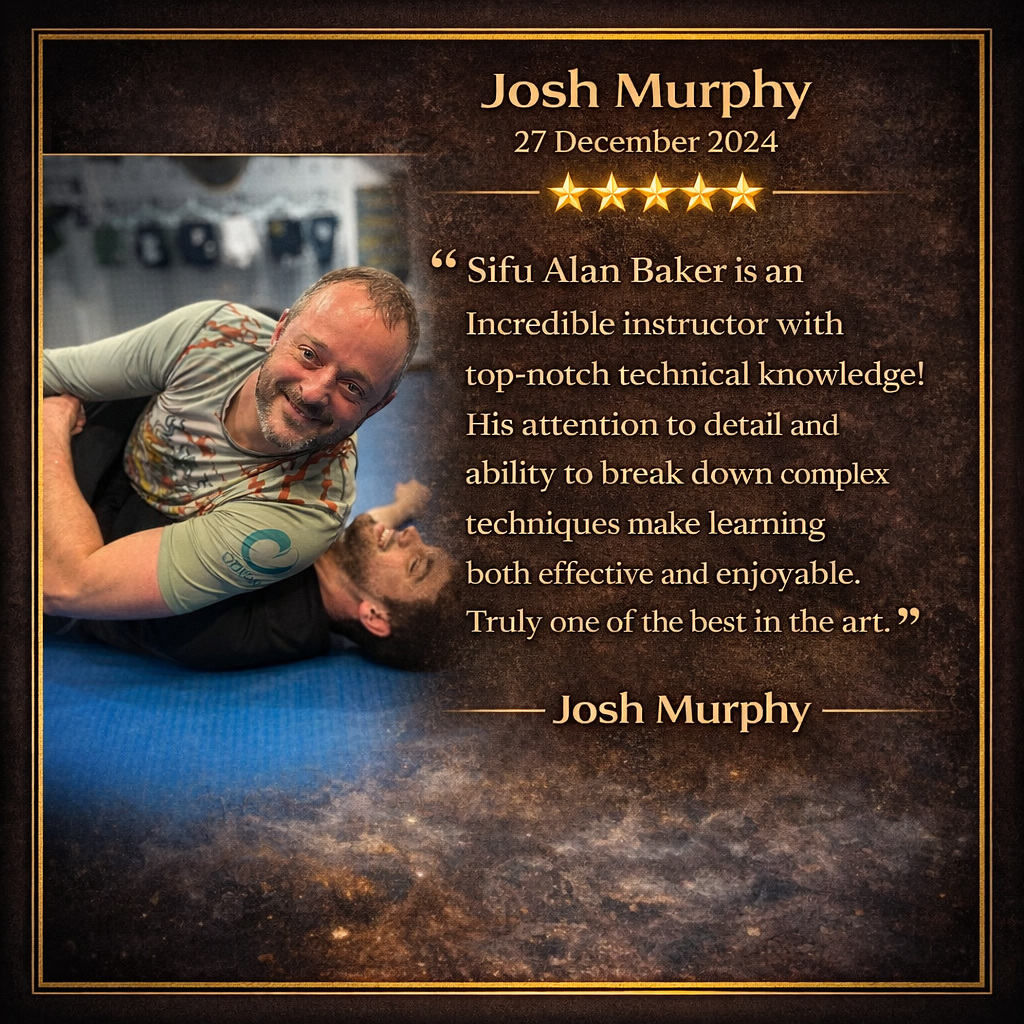
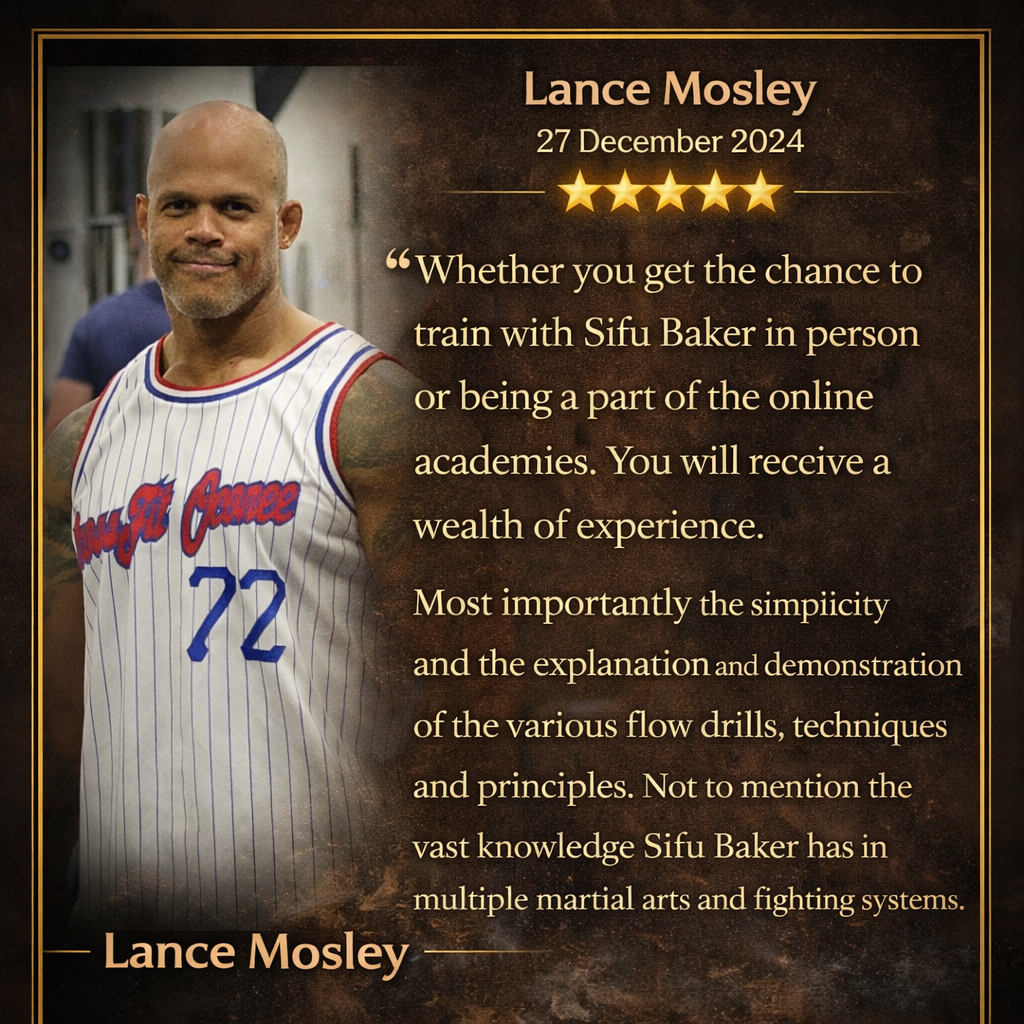
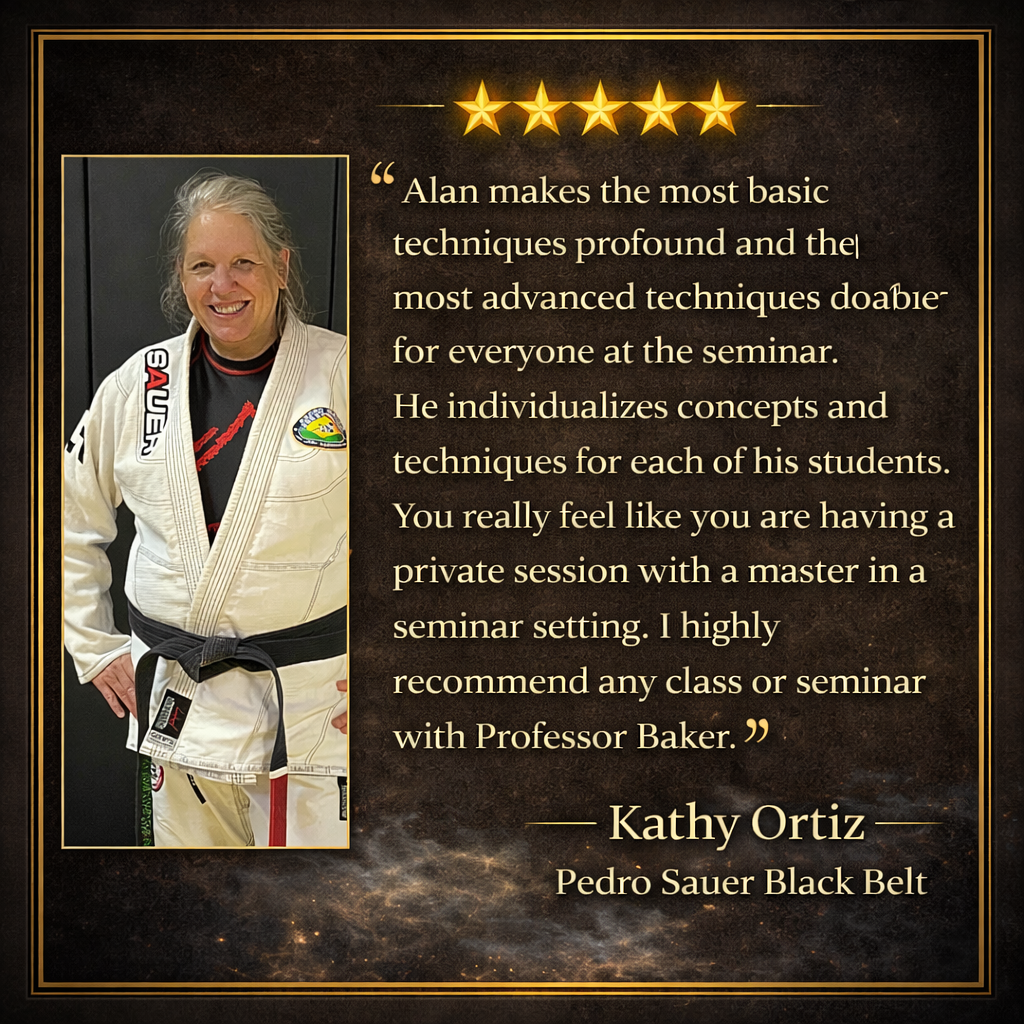
The greatest measure of any educational system is not how much information it contains. It is the capability it helps students build.
Before You Begin
Common Student Questions
Here are answers to the questions students most often ask before beginning their Living Mechanics journey.
Getting Started
No. Living Mechanics was designed for all experience levels, from beginners to experienced practitioners looking to refine their understanding.
After joining, students receive access to the training platform and video library. The material is organized so you can follow a clear path instead of searching randomly through techniques.
You will study Brazilian Jiu-Jitsu techniques, drilling methods, mechanics, standing grappling, ground grappling, self-protection applications, and the mindset behind long-term development.
Training
Many students use Living Mechanics as a supplemental learning resource while continuing to train at their local academy.
Not always. Many lessons can be studied through solo movement, mechanics, mobility, and conceptual learning. To fully develop Brazilian Jiu-Jitsu skill, partner training will eventually be necessary.
Yes. The academy works on phones, tablets, laptops, and desktop computers.
New material is added regularly from curriculum filming, seminars, camps, private lessons, public events, and ongoing technical updates.
Curriculum
Free videos often teach isolated techniques. Living Mechanics provides an organized curriculum that connects technique, drilling, mechanics, mindset, strategy, and application into one educational path.
Yes. The academy includes written curriculum material to help students understand what to study, how the material connects, and how to progress over time.
Yes. Students can submit questions about techniques, training concepts, mechanics, and curriculum material so they are not left guessing.
Yes. Students can work toward rank, but live training will be required at certain points through seminars, camps, private lessons, academy visits, or other in-person training opportunities with Professor Alan Baker.
Membership
No. Membership is month-to-month with no long-term contract required.
Yes. You may cancel your membership at any time if you need to pause or discontinue your training.
If your question is not answered here, we are happy to help. Our goal is to help you begin with confidence.
The Next Step
Begin Your Living Mechanics Journey
Whether your goal is to build a stronger foundation, refine decades of experience, or gain a deeper understanding of Brazilian Jiu-Jitsu, Living Mechanics was designed to support your journey.
This is more than an online video library. It is a continually growing educational system built around structured learning, mechanical understanding, thoughtful coaching, and lifelong development.
We would be honored to welcome you into the academy.
Begin Your MembershipLiving Mechanics is built on one belief: the more deeply you understand Brazilian Jiu-Jitsu, the more effectively you can apply it.