
Training & Influences
Shaped by Teachers. Refined Through Practice.
Alan Baker’s approach was not formed by one art, one teacher, or one era.
It grew through decades of direct study across martial arts, self-protection, human performance, leadership, and education—and through the mentors who continually challenged him to question, test, integrate, and keep learning.
The Guiding Philosophy
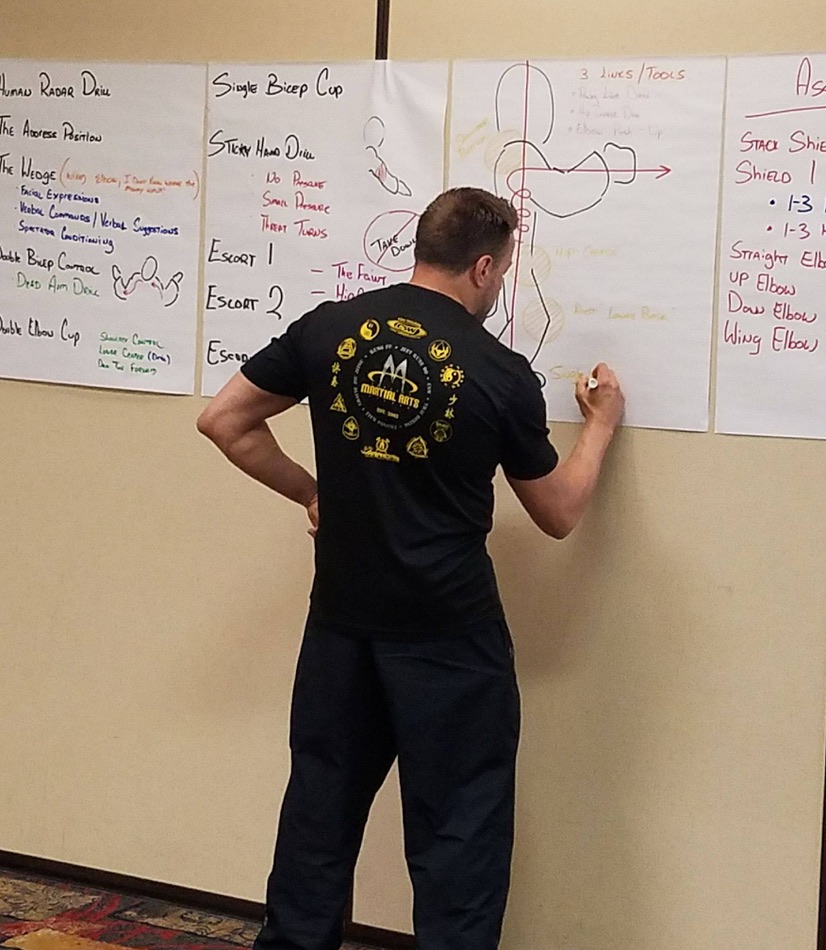
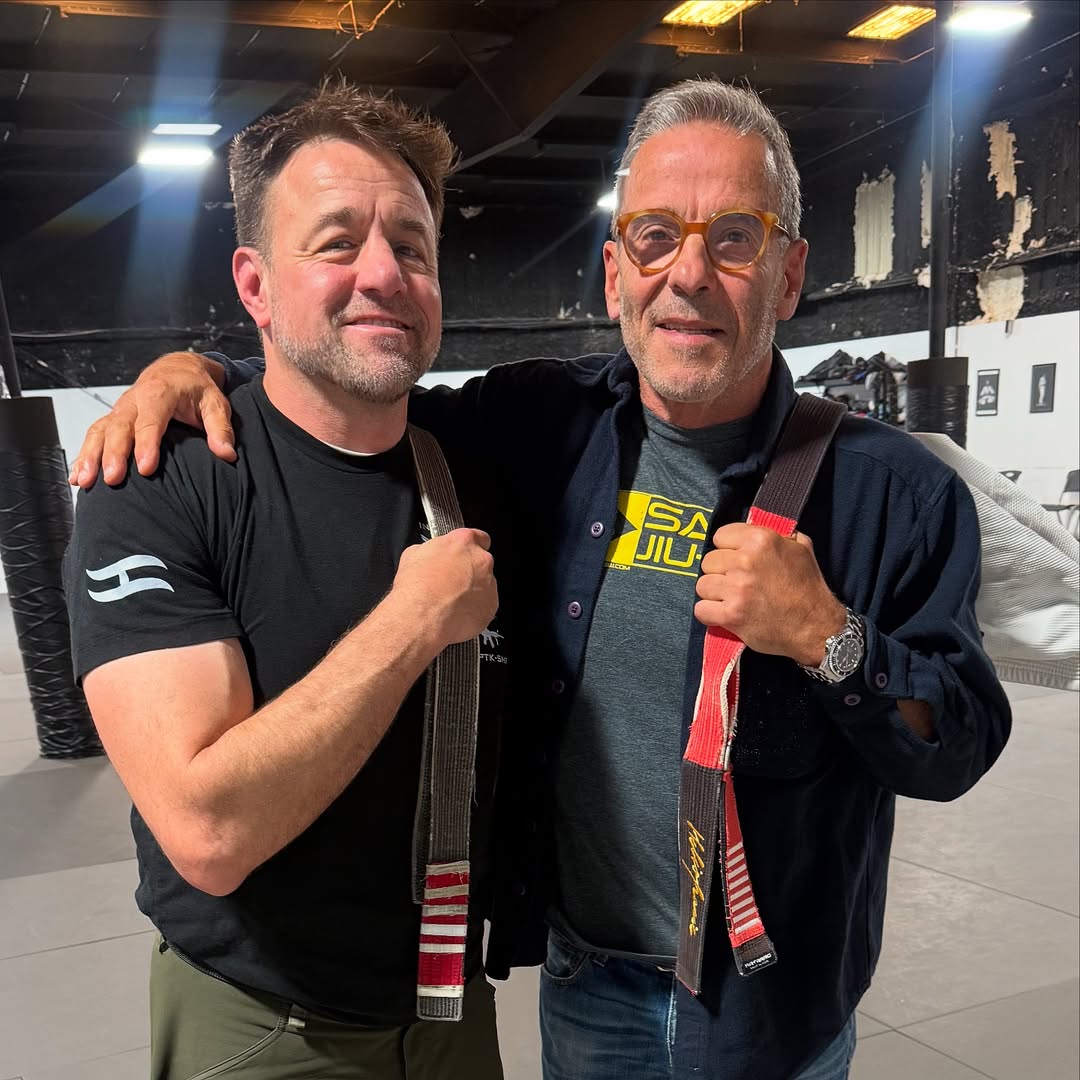
The Perpetual White Belt
Decades of experience have not ended Alan’s education. They have deepened his responsibility to remain a student.
He continues to seek teachers, methods, and perspectives that challenge what he already knows. The purpose is not to collect more techniques or titles, but to close gaps, test assumptions, refine what works, and become a more capable practitioner and teacher.
Approach With Humility
Enter each discipline ready to listen, observe, and learn before deciding what it has to offer.
Test Through Practice
Move ideas beyond theory by pressure-testing them through training, application, and honest evaluation.
Continue Evolving
Keep refining the work as experience reveals new questions, stronger connections, and better solutions.
Experience does not end the learning process. It deepens the responsibility to continue it.
Areas of Study
Domains That Shaped the Work
No single system holds every answer to the complexity of real-world protection. Alan’s training has therefore developed across six connected domains, each examined through direct instruction, sustained practice, and practical application.
Several systems appear in more than one domain because their methods cross ranges, environments, and types of engagement.
Self-Protection
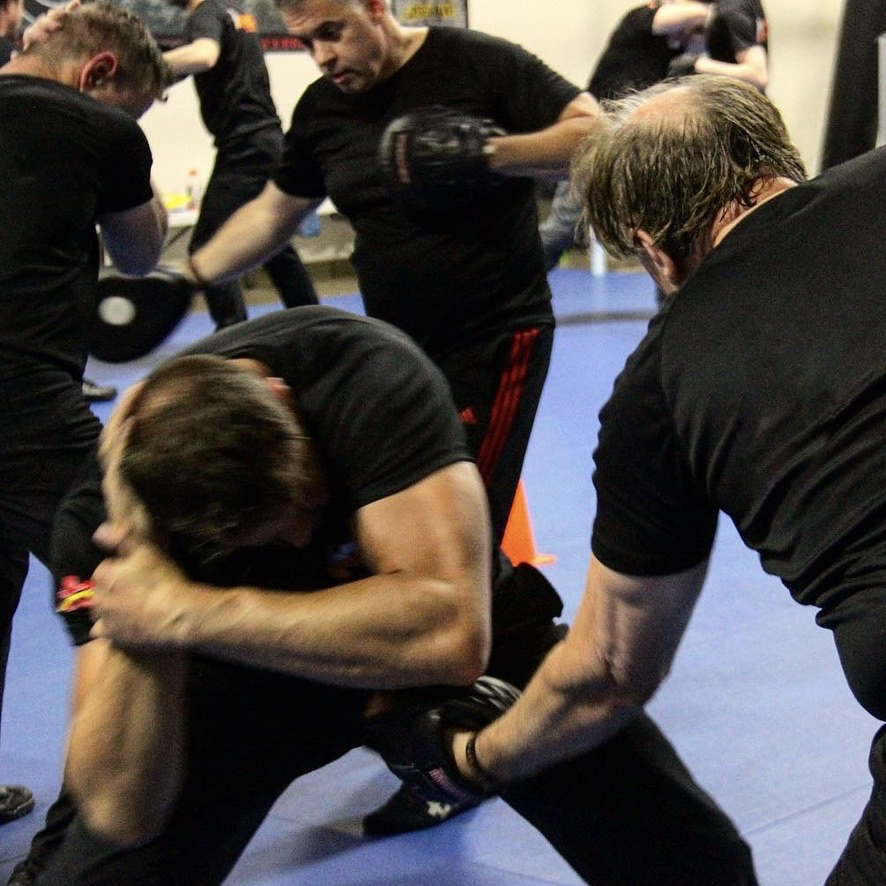
The study of awareness, prevention, behavioral recognition, conflict management, and personal security. The goal is to recognize problems early, make better decisions, and avoid unnecessary violence whenever possible.
Systems & Methods Studied
- Rapid Assault Tactics (RAT)
- Keysi Fighting Method (KFM)
- Modern Combatives
- Defensive Tactics
Selected Influences
Richard Kobetz Jerry Heying Eugene R. Ferrara John F. Musser Sheriff Tony Roper Jerry Glazebrook
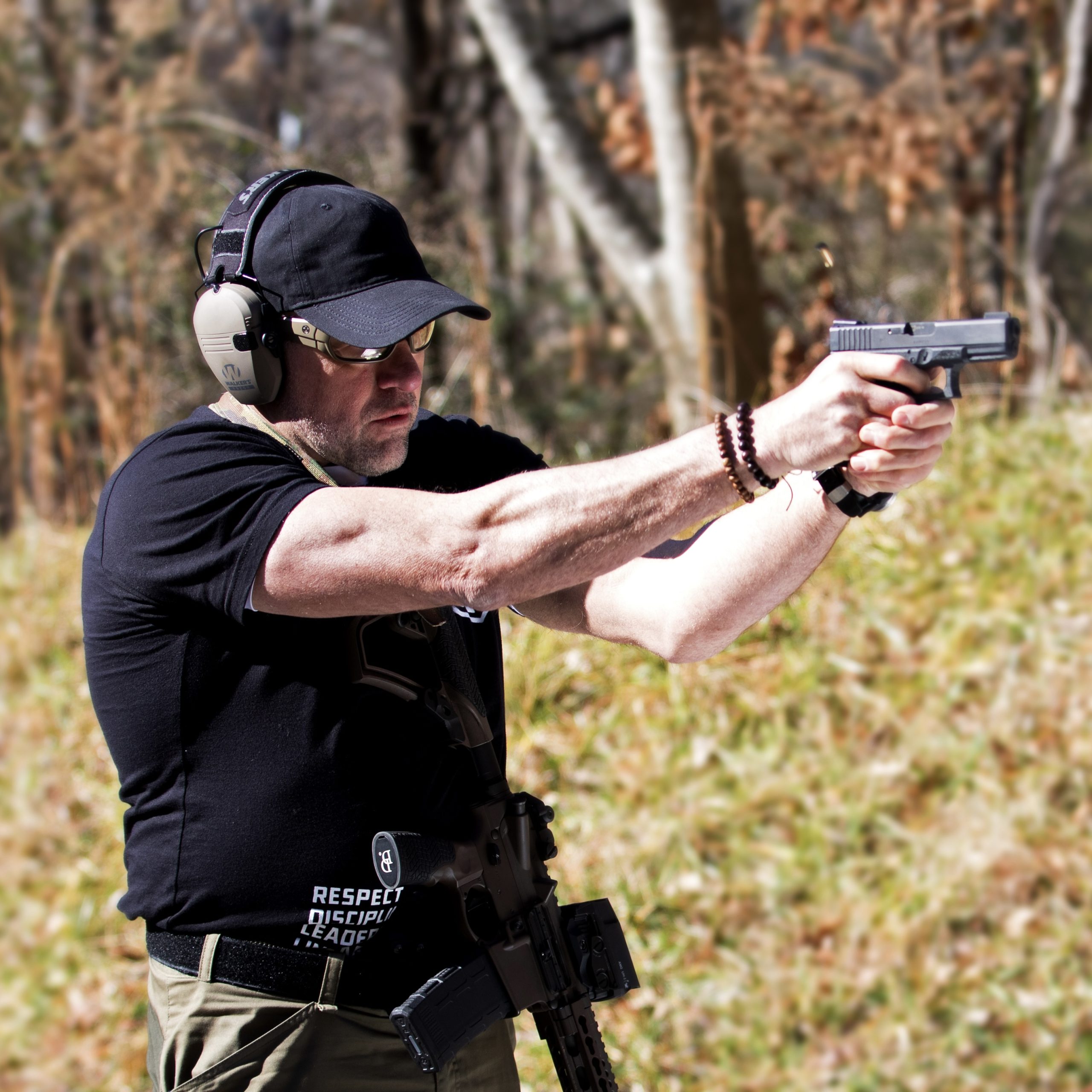
Projectile
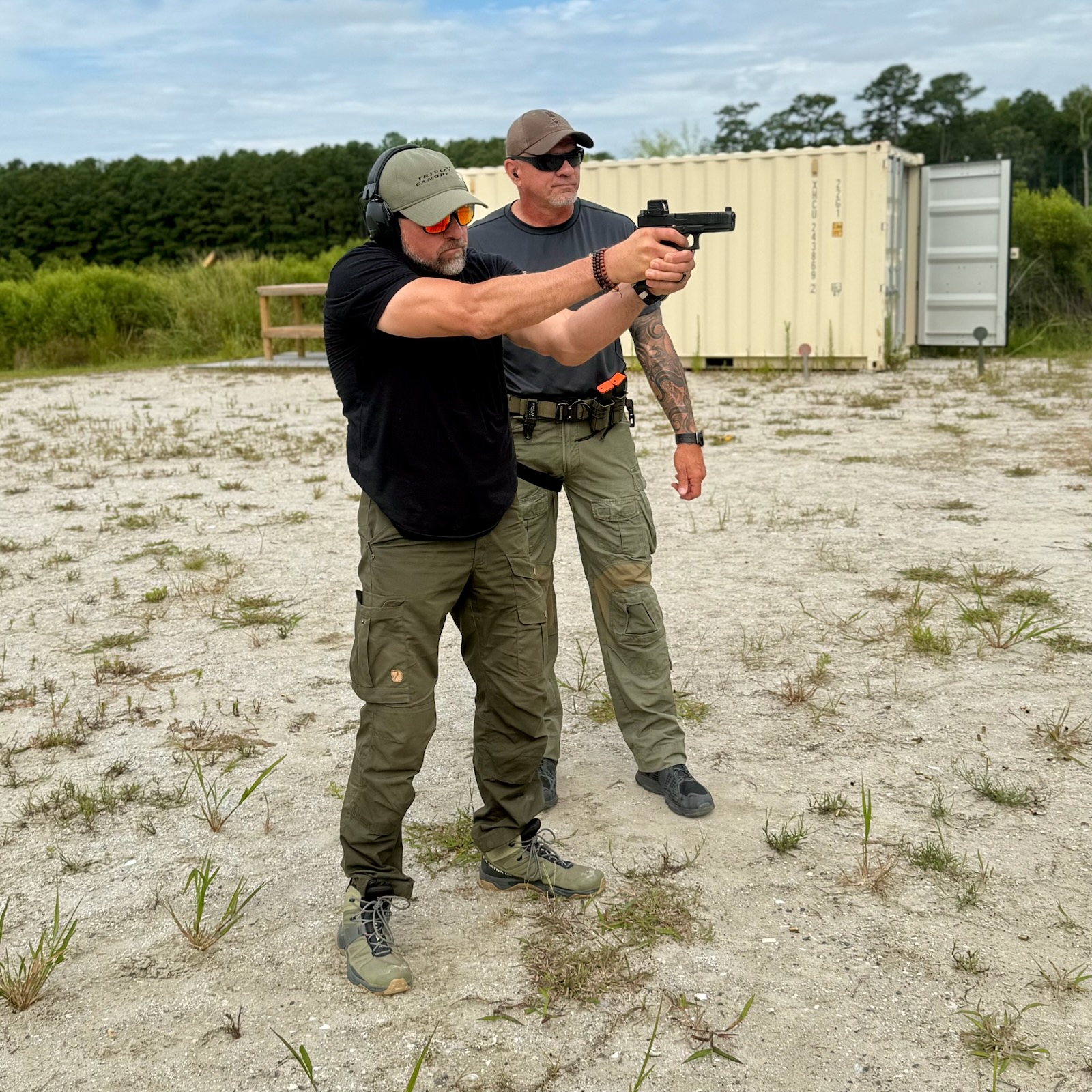
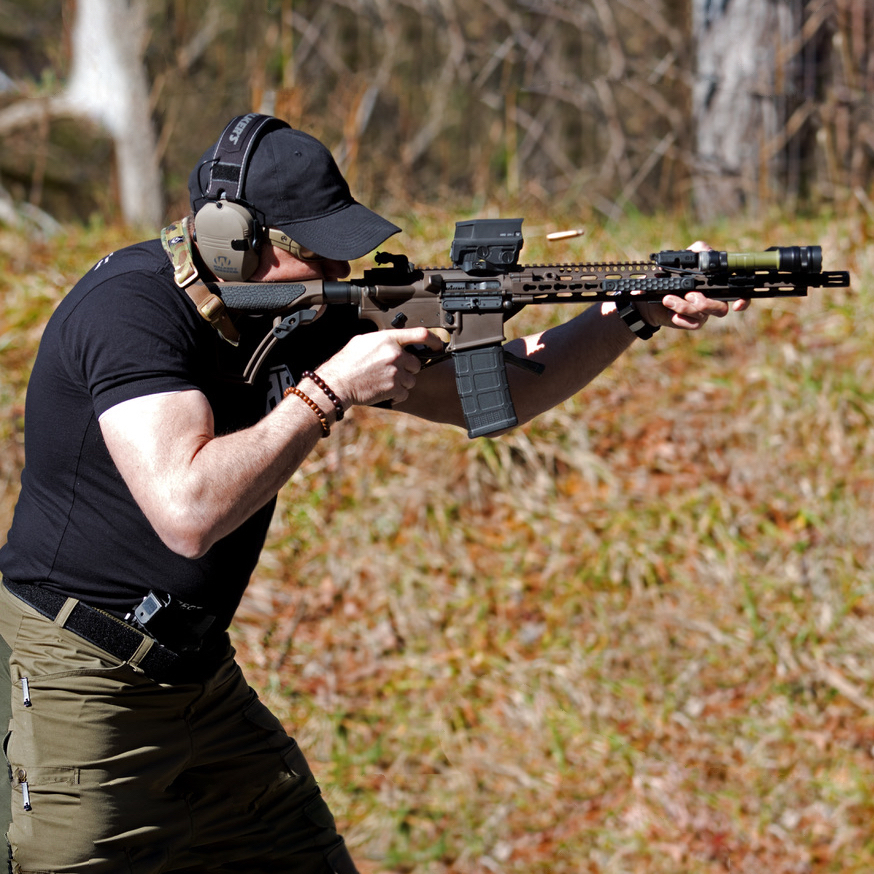
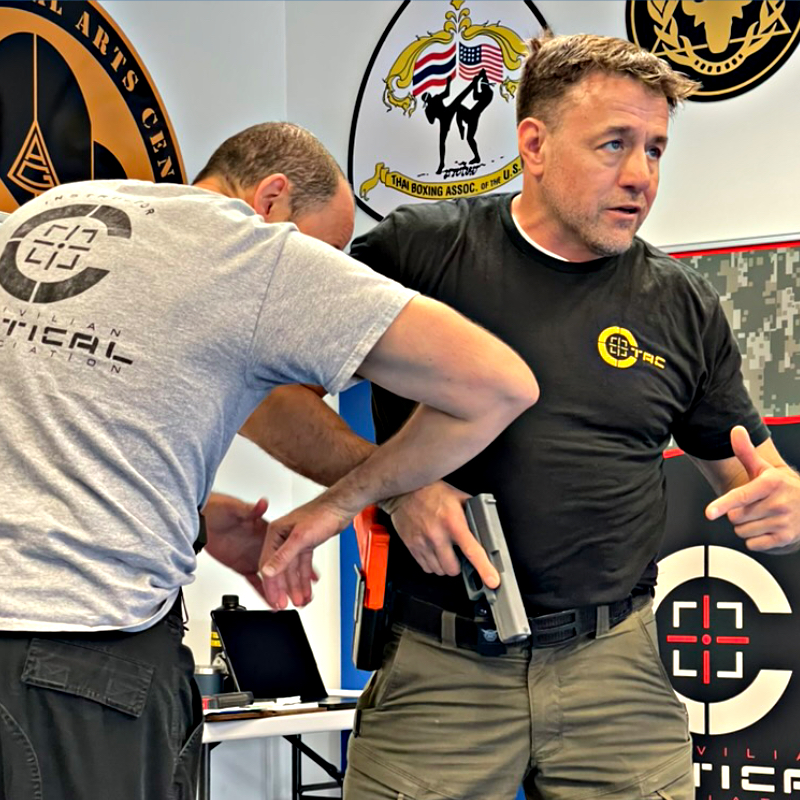
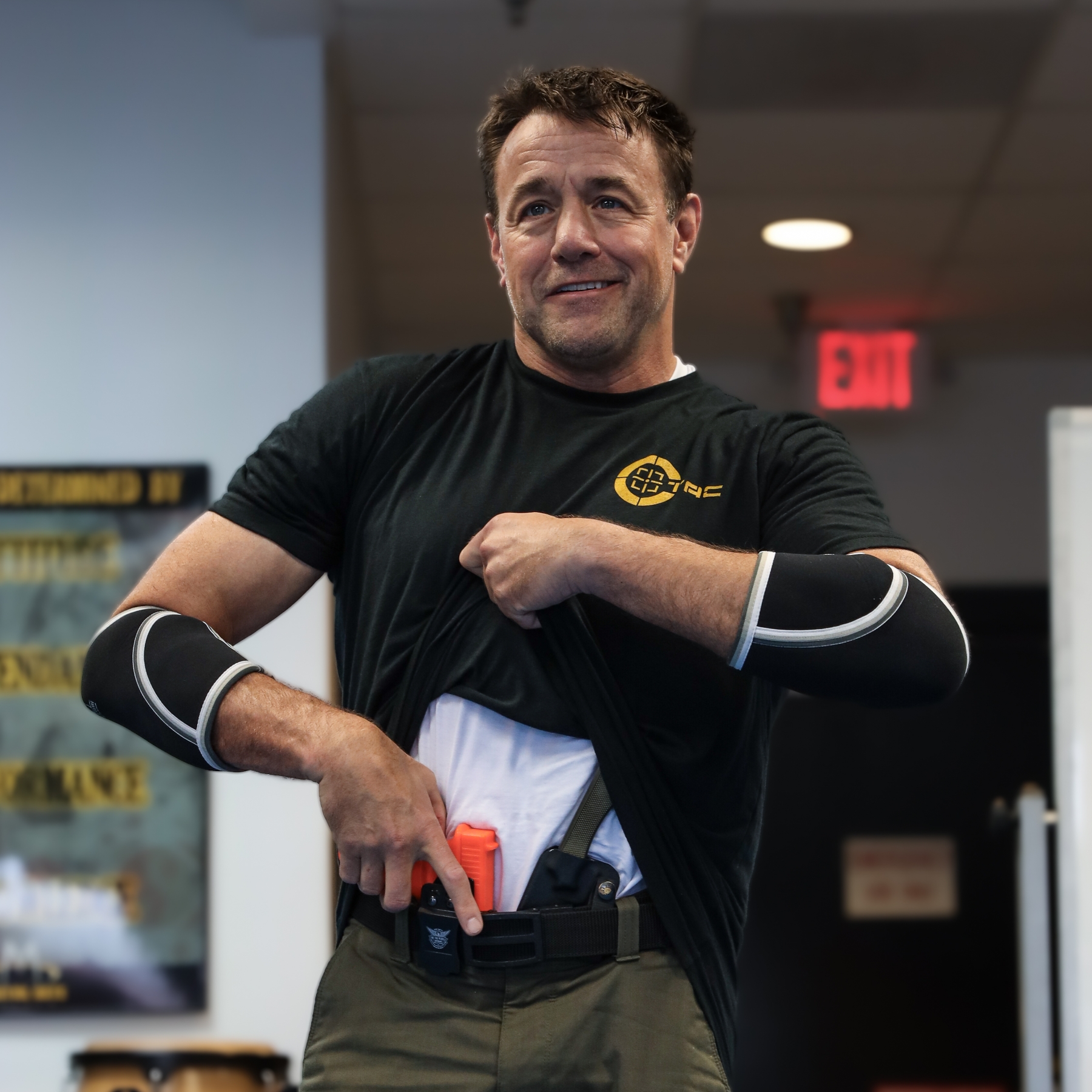
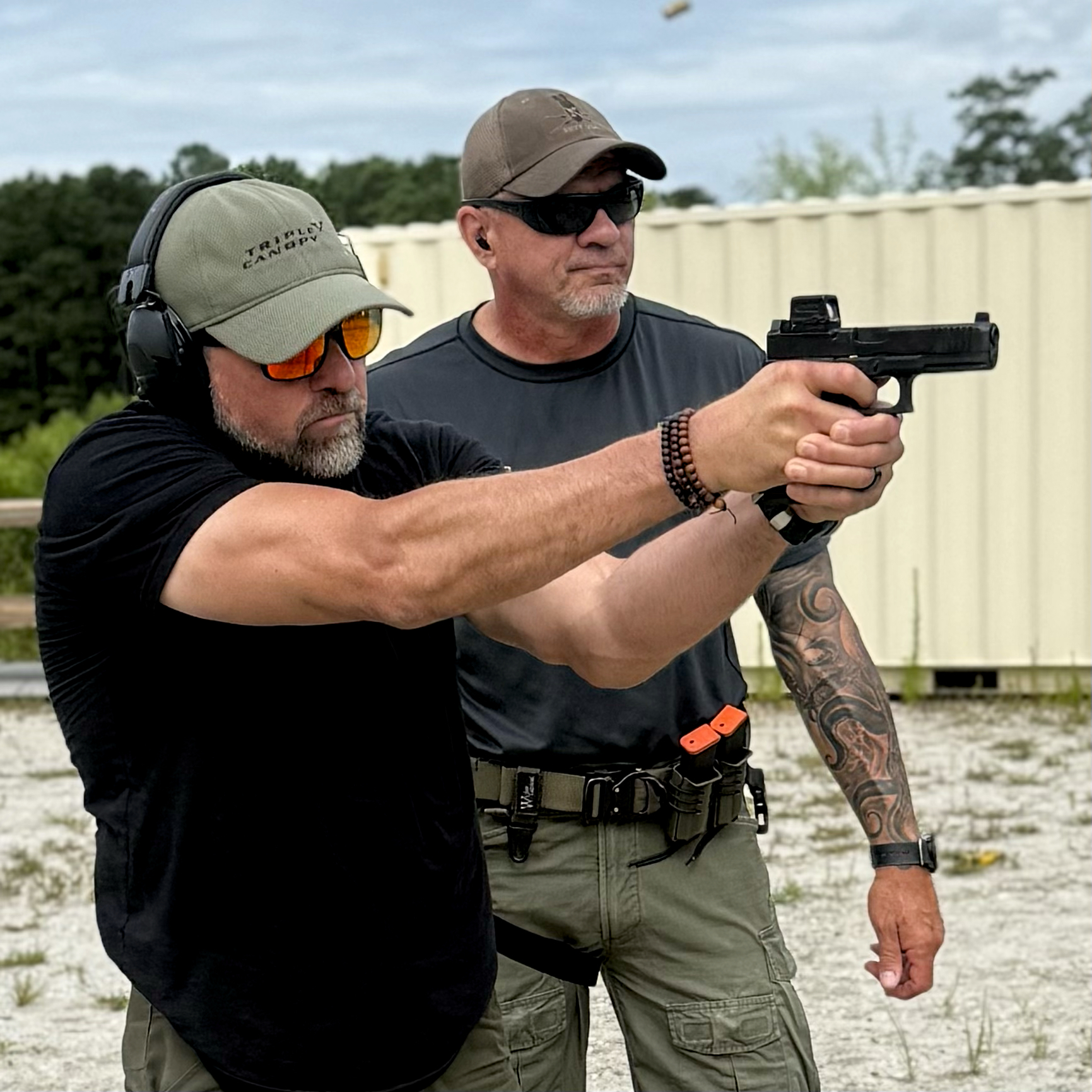
The study of firearms and their integration into personal protection, defensive tactics, and real-world problem solving. This includes access, deployment, retention, and intelligent decision-making under pressure.
Systems & Methods Studied
- Defensive Pistol
- Close-Quarter Weapon Integration
- Weapon Access & Retention
- Force-on-Force Training
Selected Influences
Dennis Rousseau Edgar Gonzalez John Fleischer
Edged & Blunt Weapons
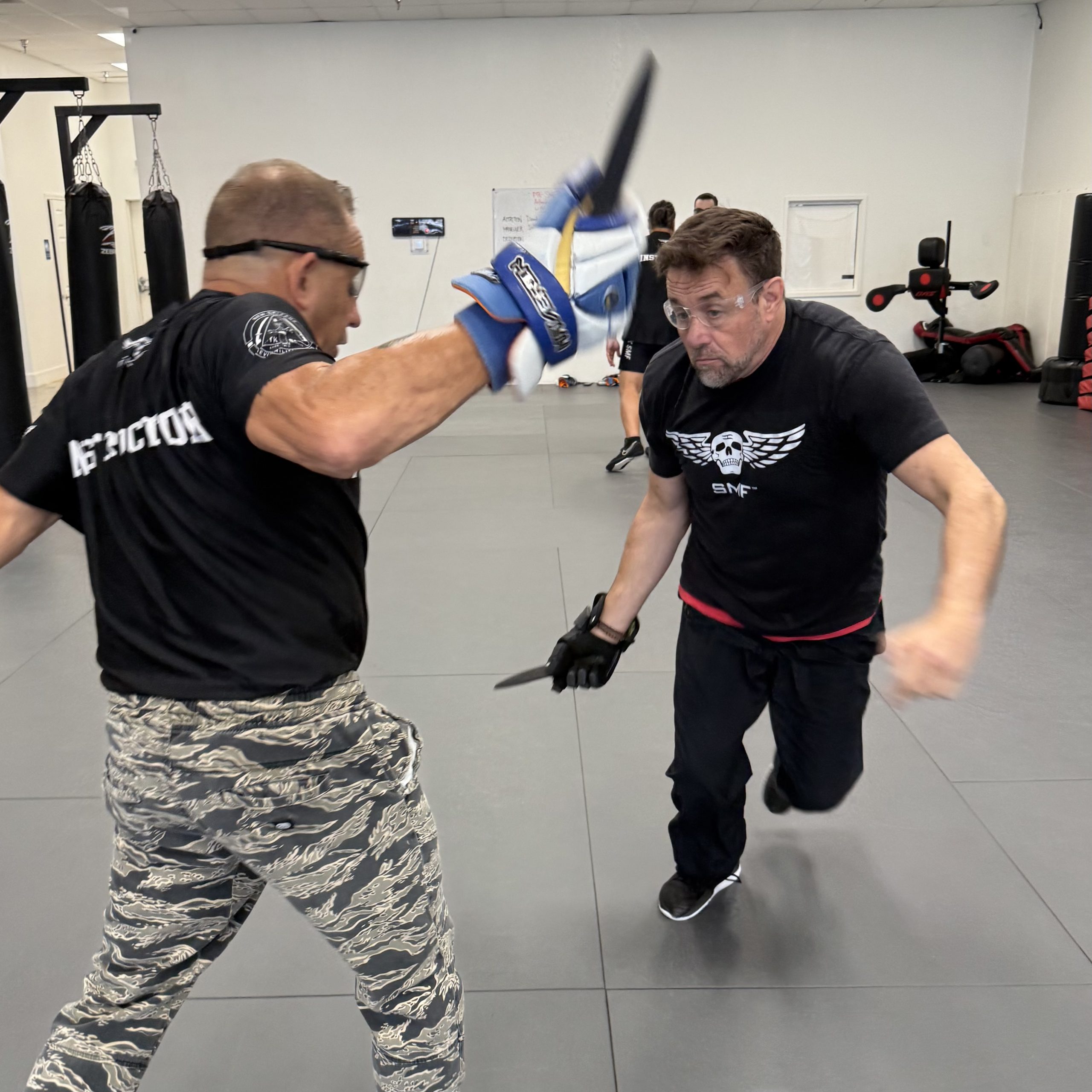
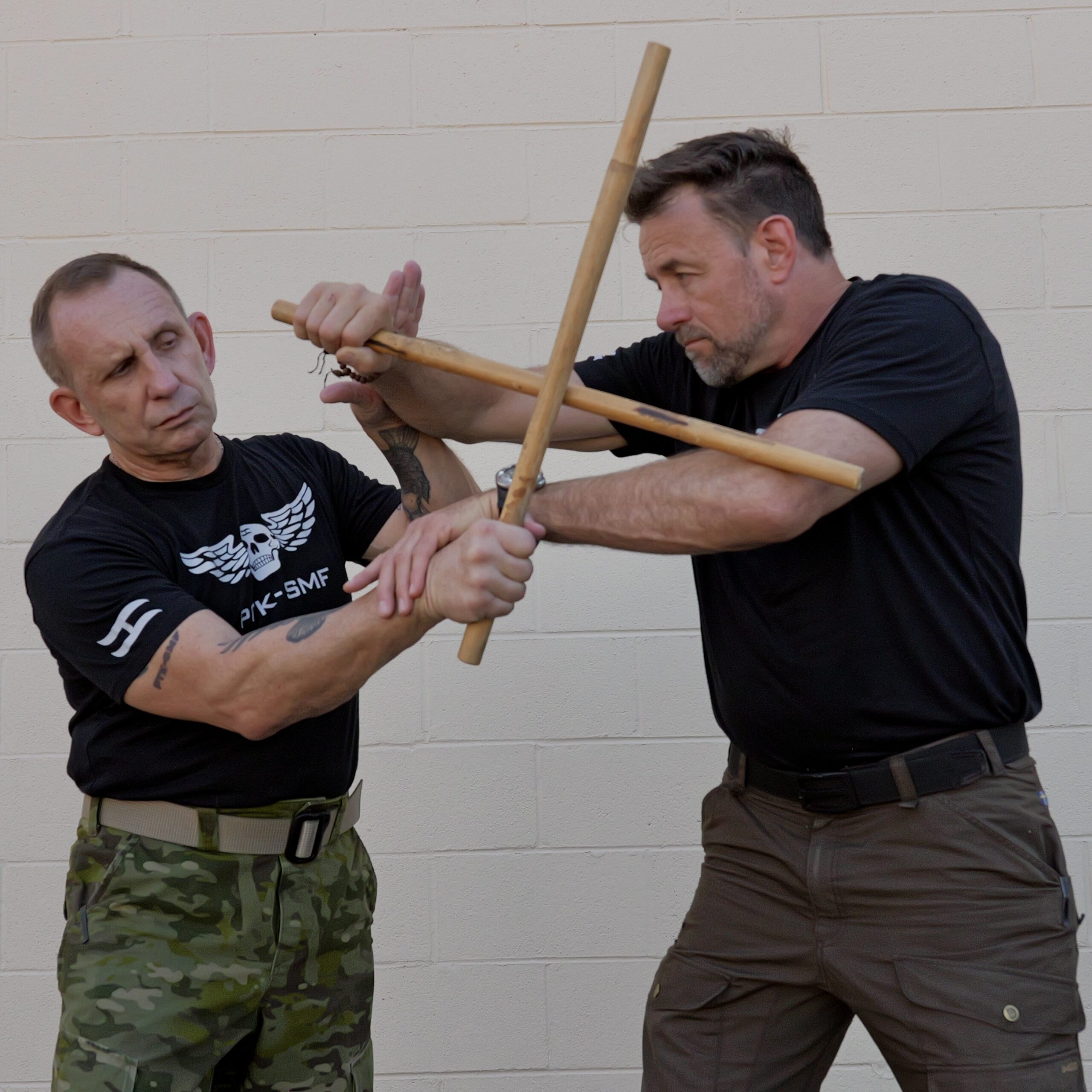
The study of knives, impact weapons, improvised tools, and weapon-based encounters. Training examines how weapons alter behavior, tactics, distance, timing, and decision-making.
Systems & Methods Studied
- Inosanto/Lacoste Filipino Kali
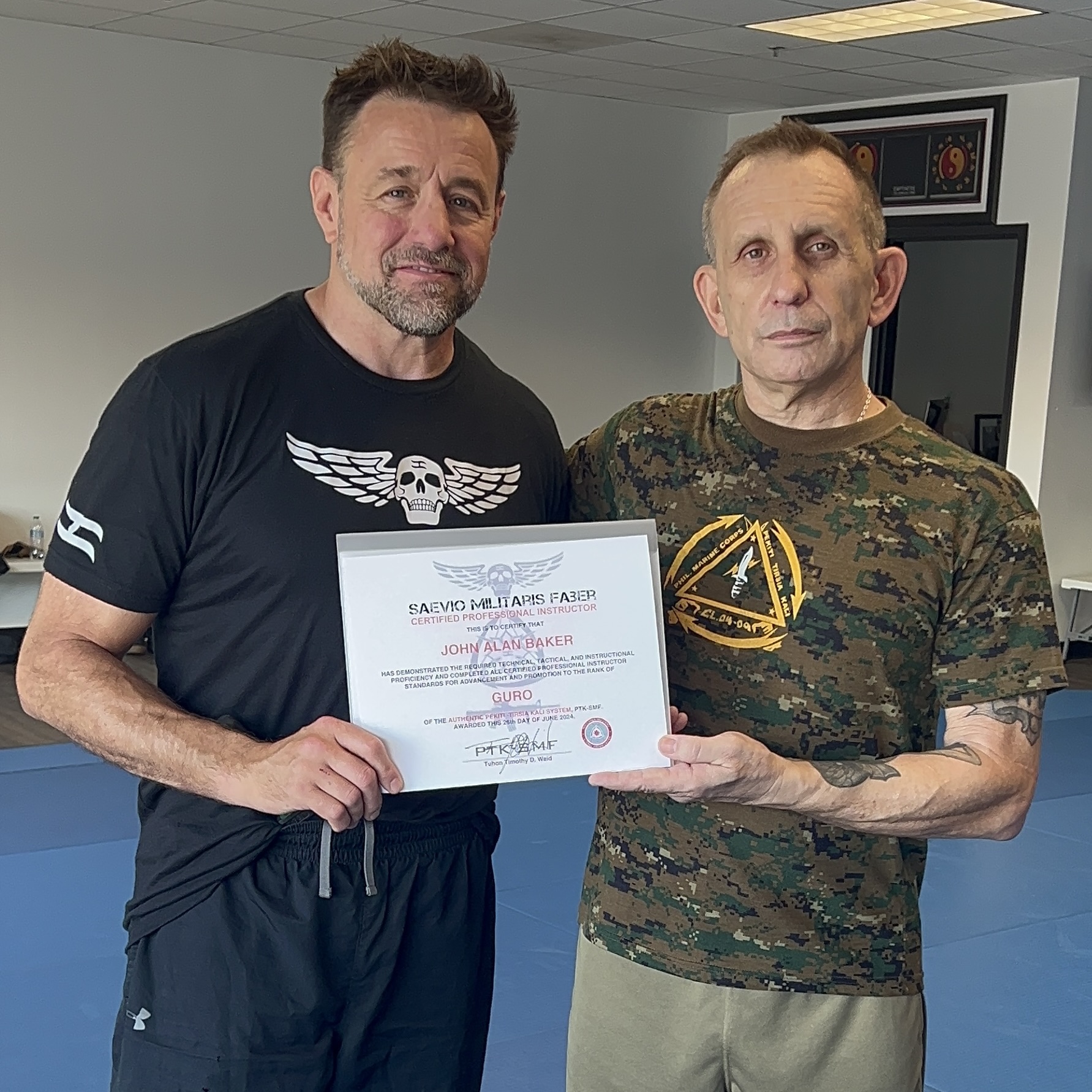
- Pekiti-Tirsia SMF Kali
- Filipino Martial Arts
- Knife & Impact-Weapon Methods
Selected Influences
Dan Inosanto Tim Waid Paul Vunak Steve Grantham
Striking
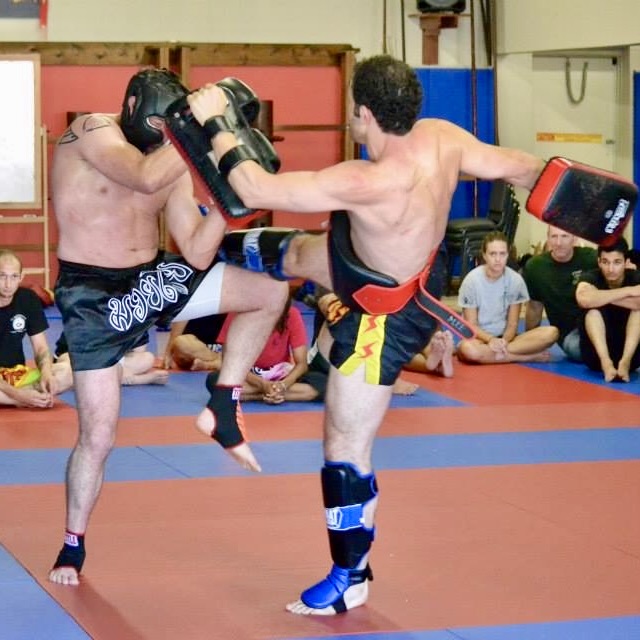
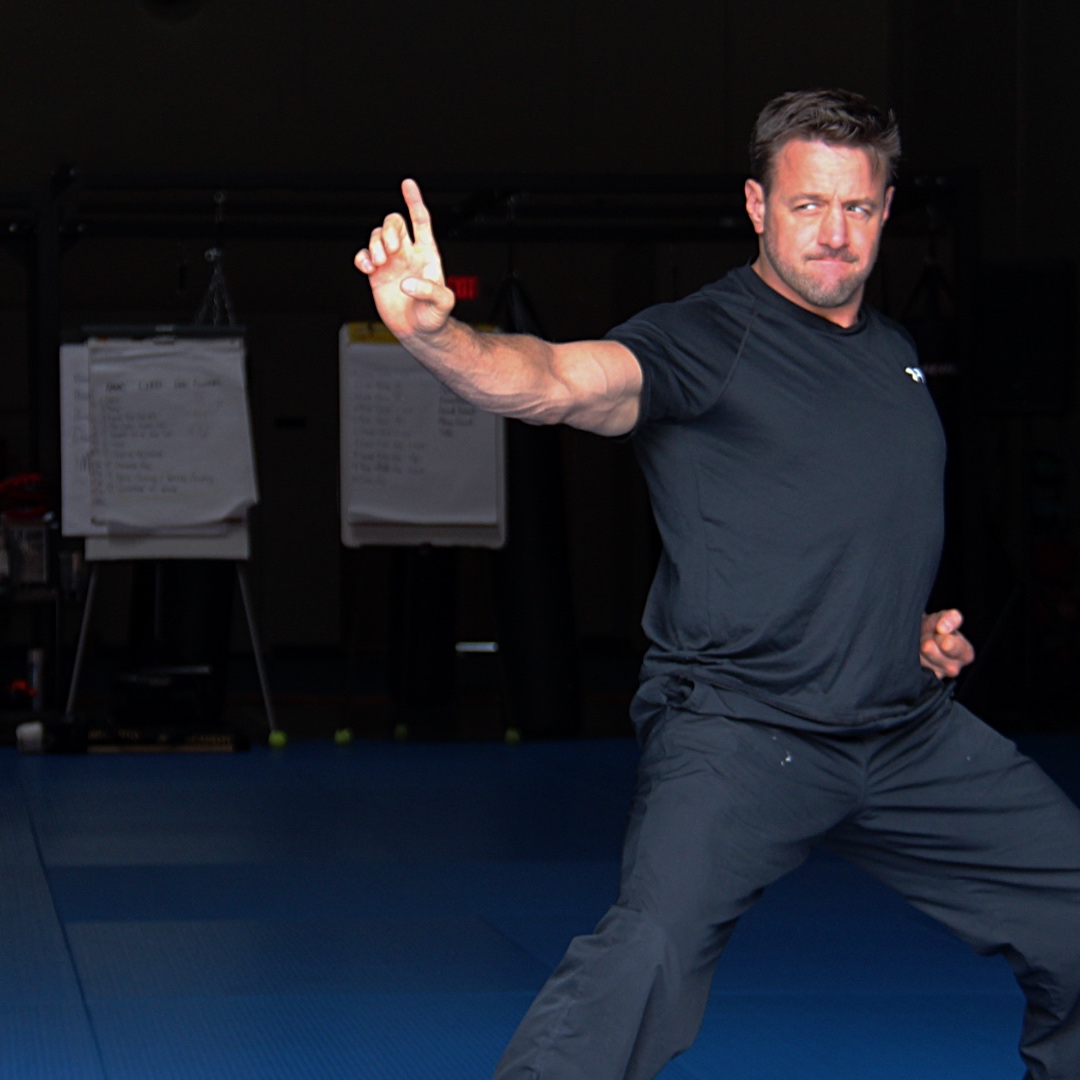
The study of the human body as a complete striking system. Training focuses on generating force, disrupting structure, creating opportunity, and solving problems across every range of engagement.
Systems & Methods Studied
- Lee Jun Fan Gung Fu & Jeet Kune Do
- Chinese Boxing
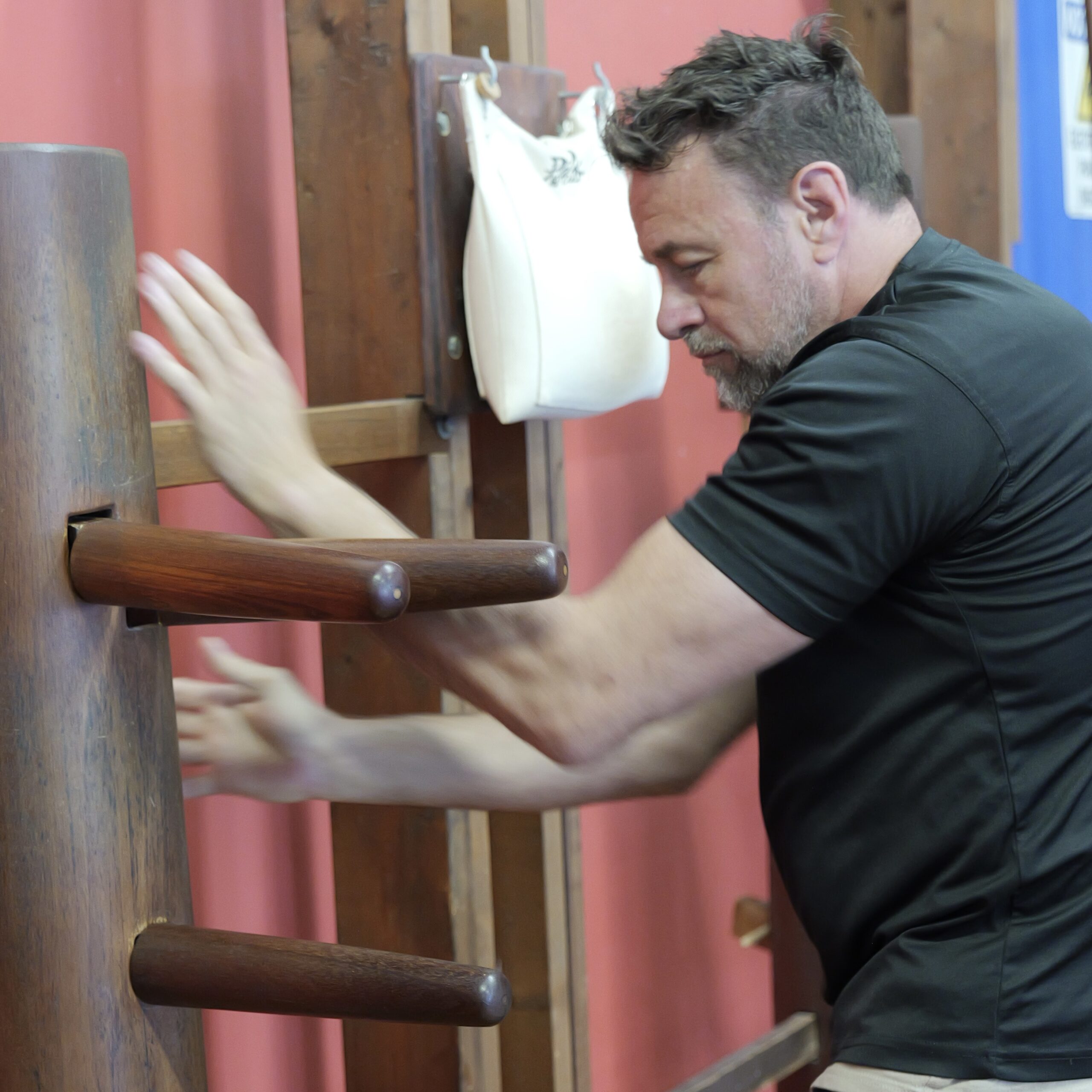
- Wing Chun Kung Fu
- Zu Wei Shu Kung Fu
- U.S. Chuan Fa
- Jing Mo Kuen
- Muay Thai Boxing
- STX Kickboxing
- Burmese Bando (Lethwei)
- Snow Tiger
Selected Influences
Ajarn Chai Sirisute Francis Fong James Cravens Dana Miller Dan Inosanto Erik Paulson Greg Nelson Justo Diéguez Mike Jollye David Croft
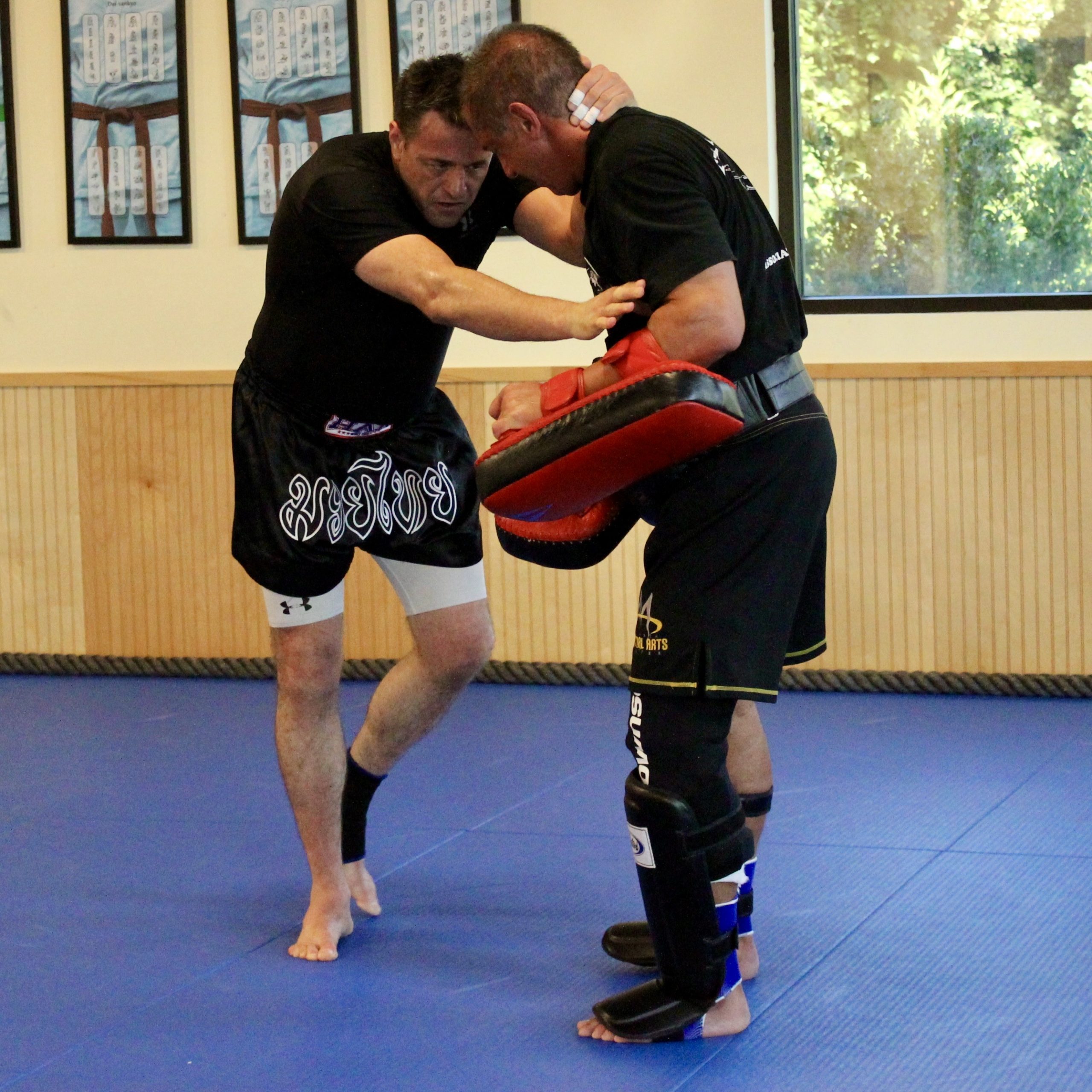
Pummeling & Hand Fighting
The study of standing grappling, clinch work, hand fighting, positional control, and transitional movement. These skills connect ranges and reflect one of the most natural responses found in physical conflict.
Systems & Methods Studied
- Combat Submission Wrestling
- Catch Wrestling
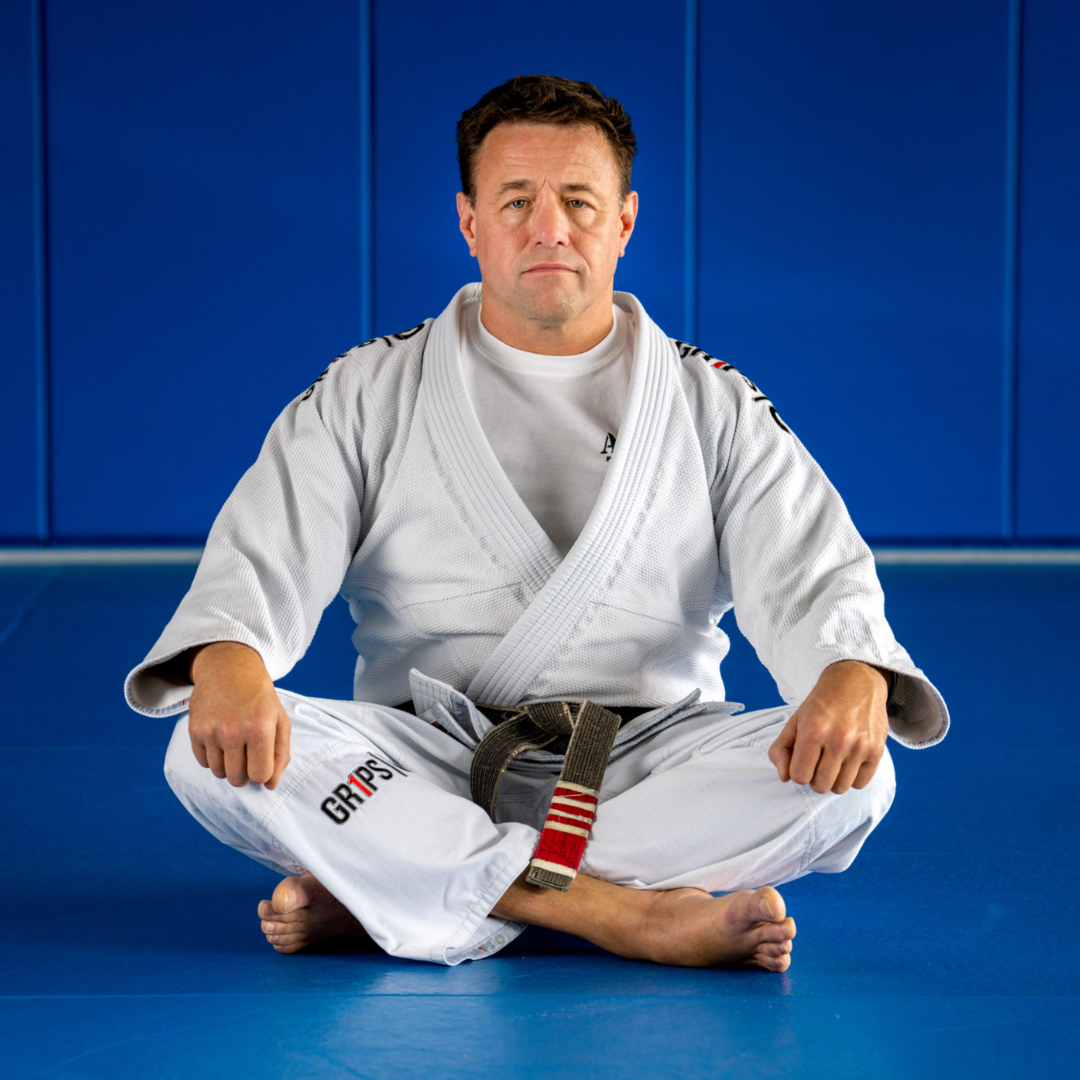
- Judo
- Jeet Kune Do
- Clinch & Hand-Fighting Methods
Selected Influences
Erik Paulson Dan Inosanto Francis Fong Greg Nelson Rico Chipparelli Bob Byrd
Ground Fighting
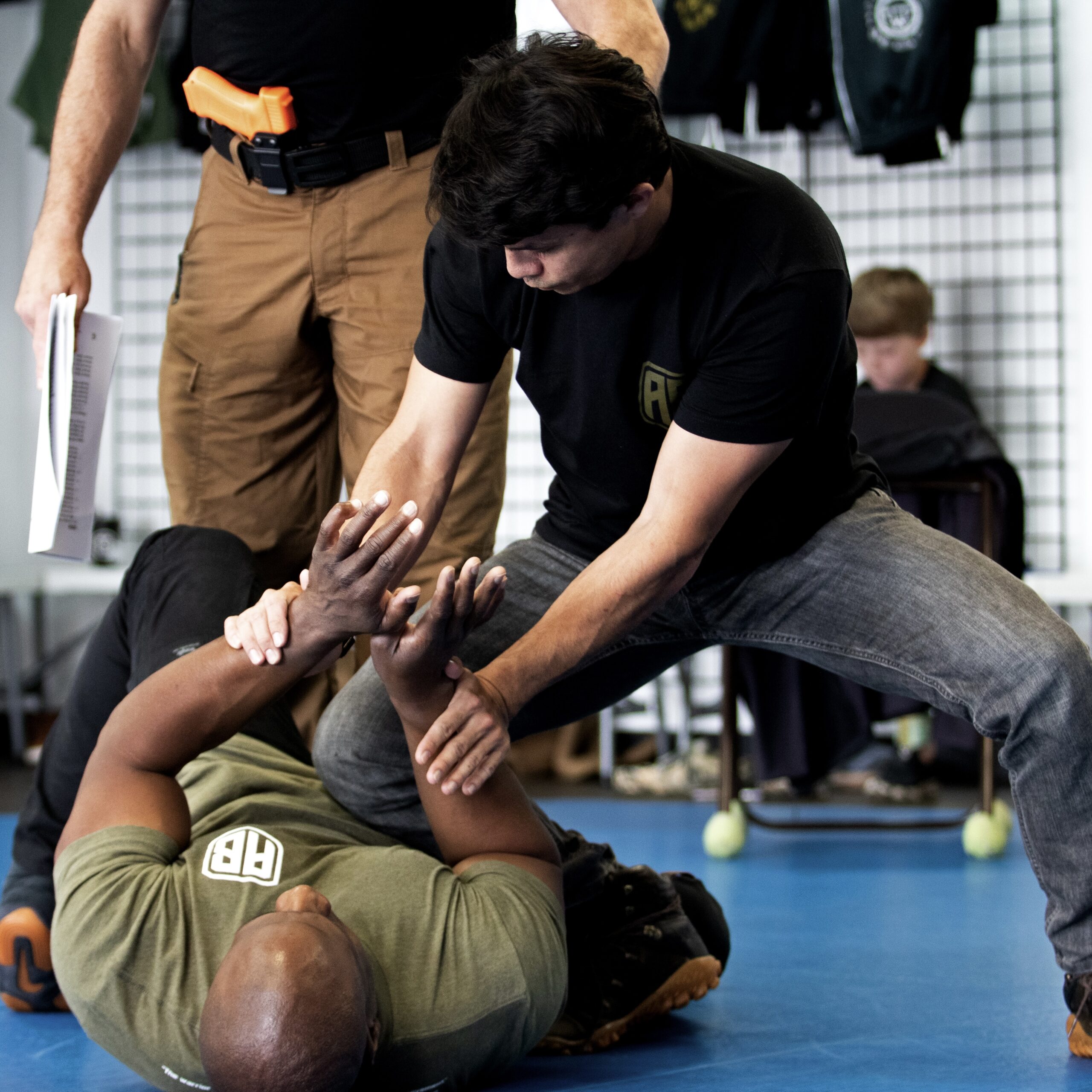
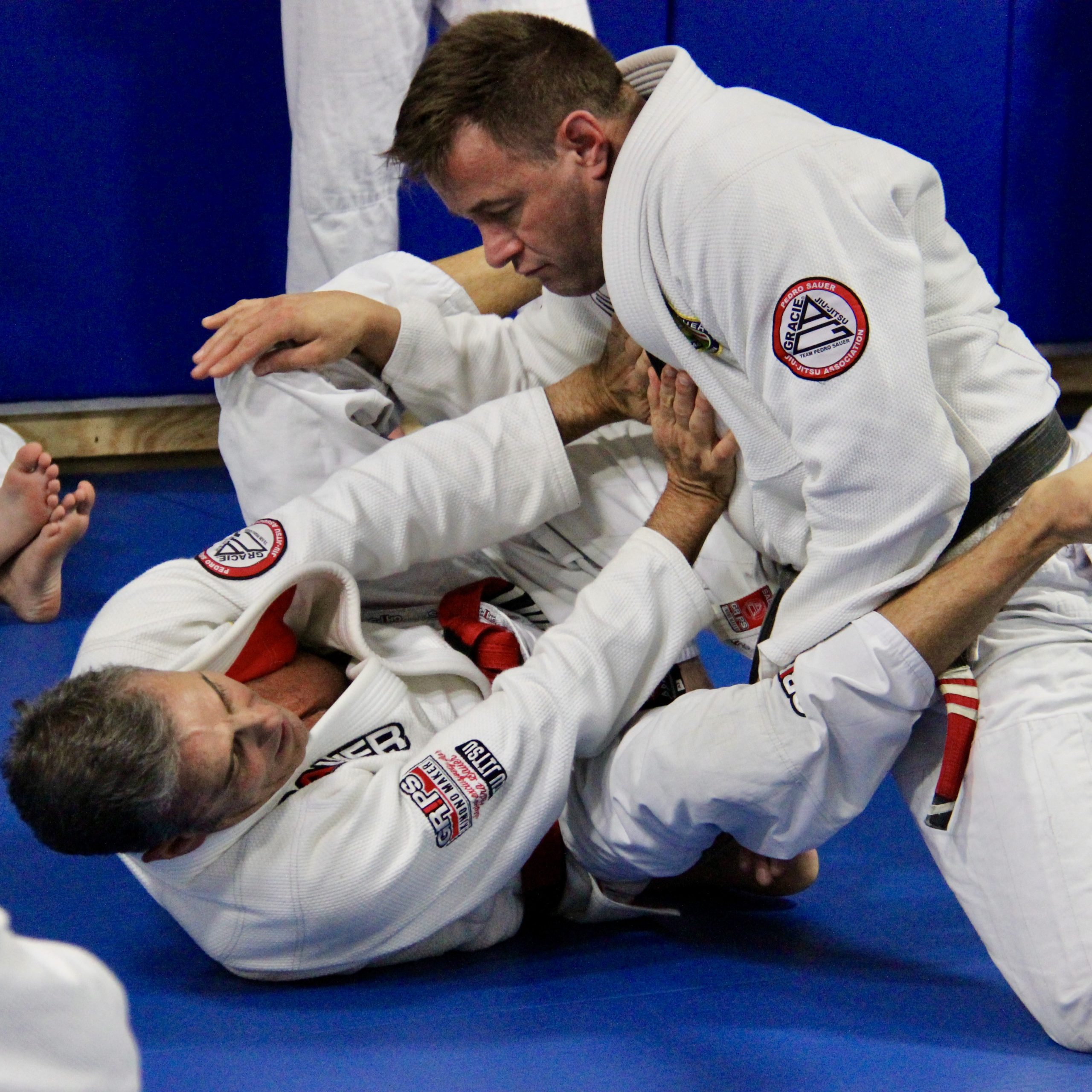
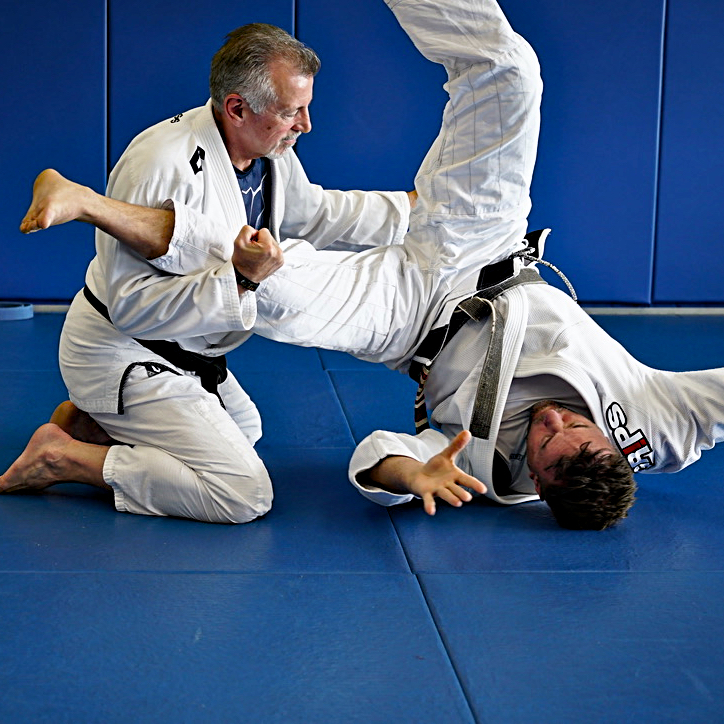
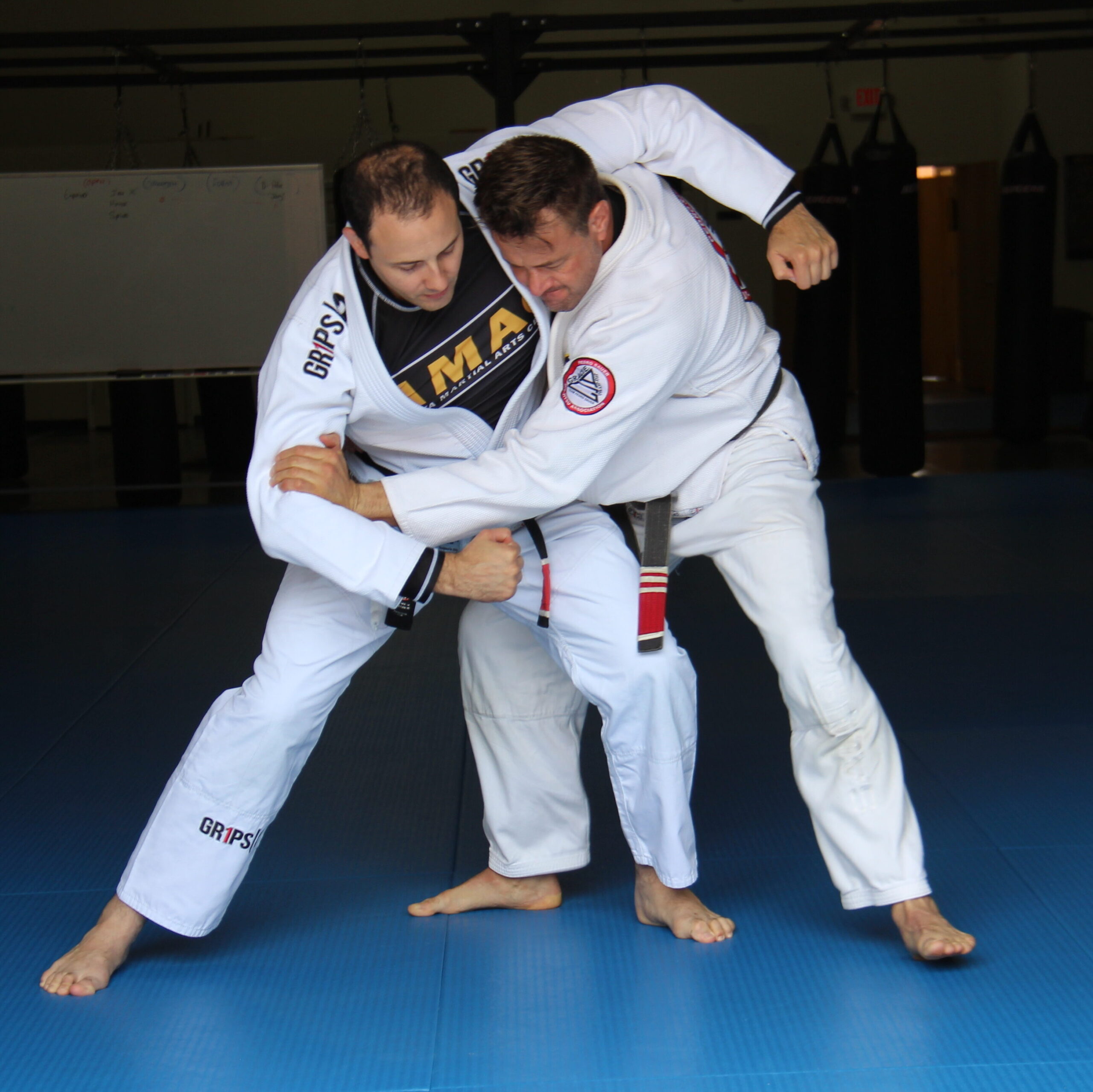
The study of positional control, escapes, reversals, submissions, and survival on the ground. Ground fighting is approached as a complete environment rather than as a collection of isolated techniques.
Systems & Methods Studied
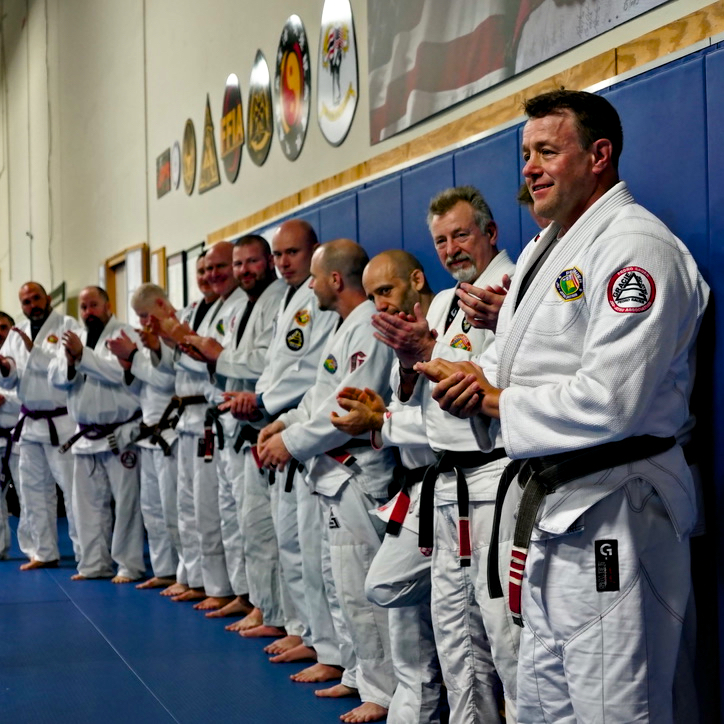
- Gracie Jiu-Jitsu
- Judo
- Combat Submission Wrestling
- Catch Wrestling
- Submission Grappling
Selected Influences
Pedro Sauer Erik Paulson Dan Inosanto Bob Byrd Rigan Machado Justo Diéguez Paul Creighton
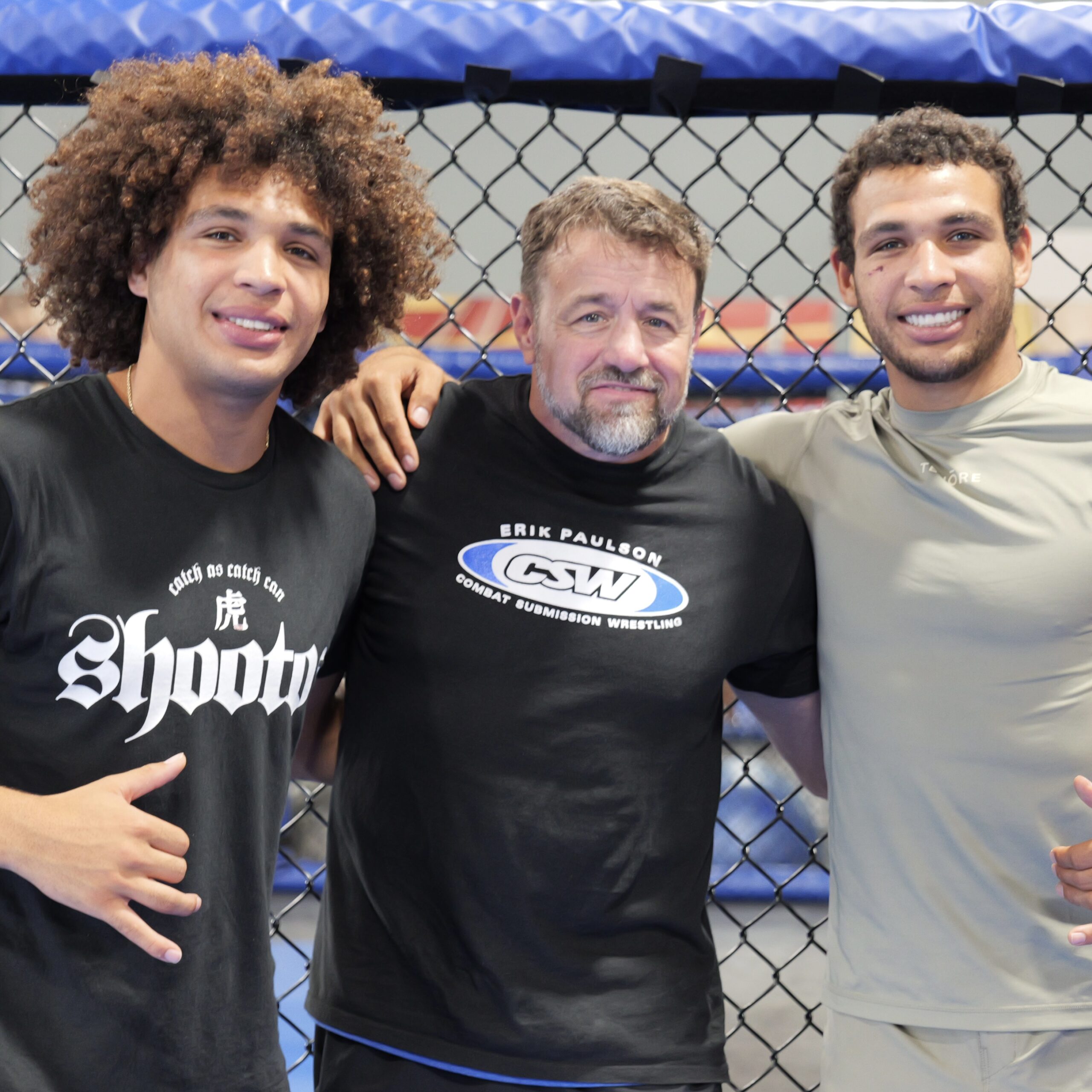
Selected Teachers & Mentors
The Teachers Who Shaped the Journey
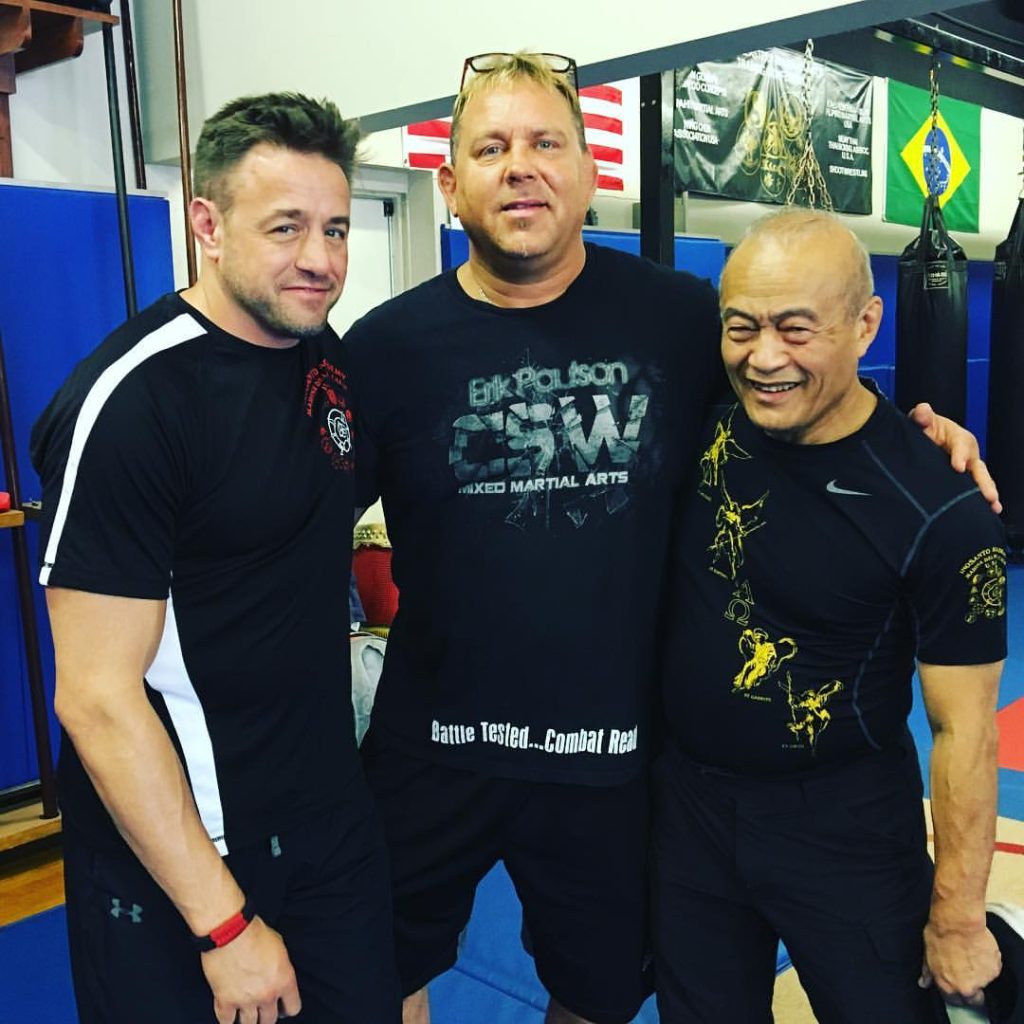
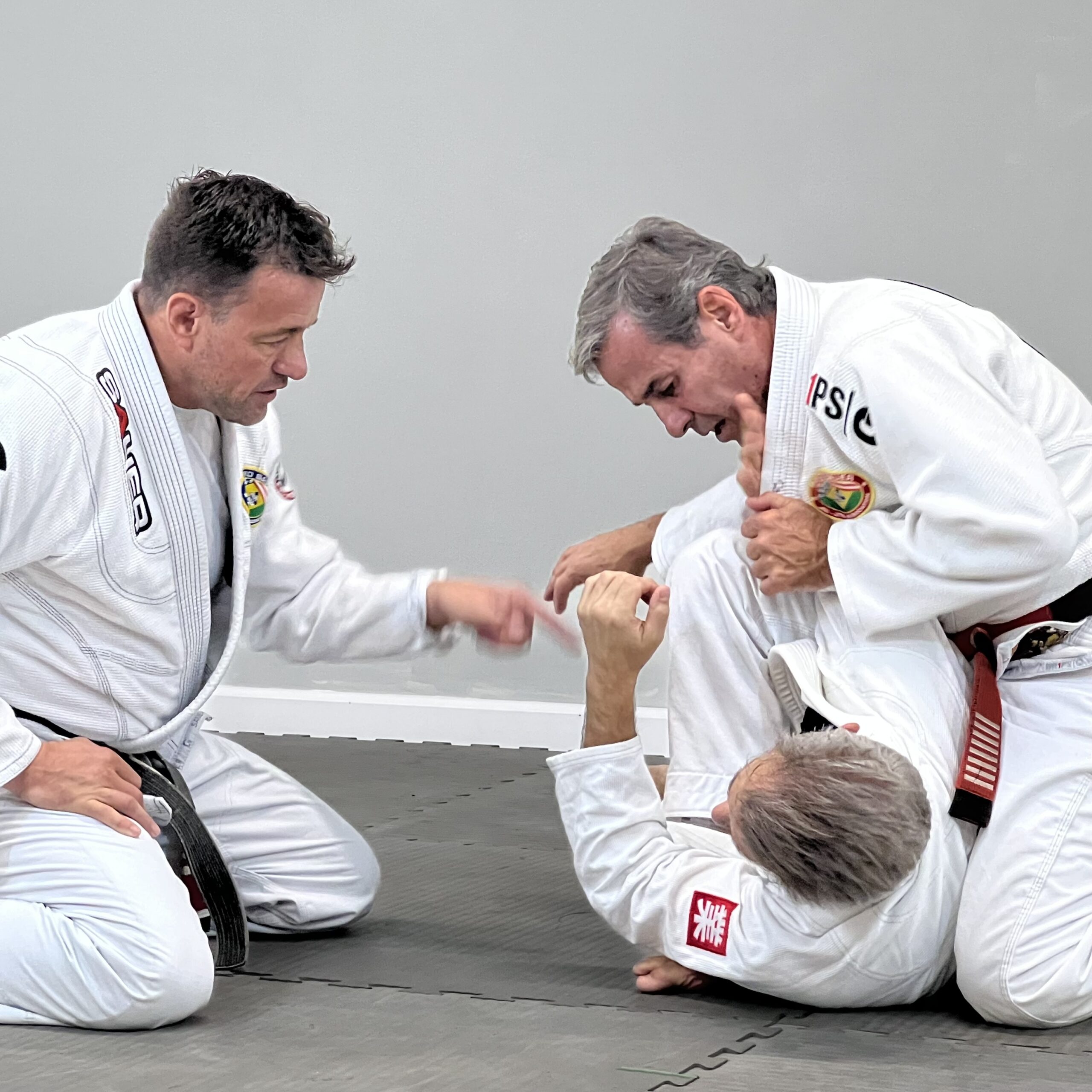
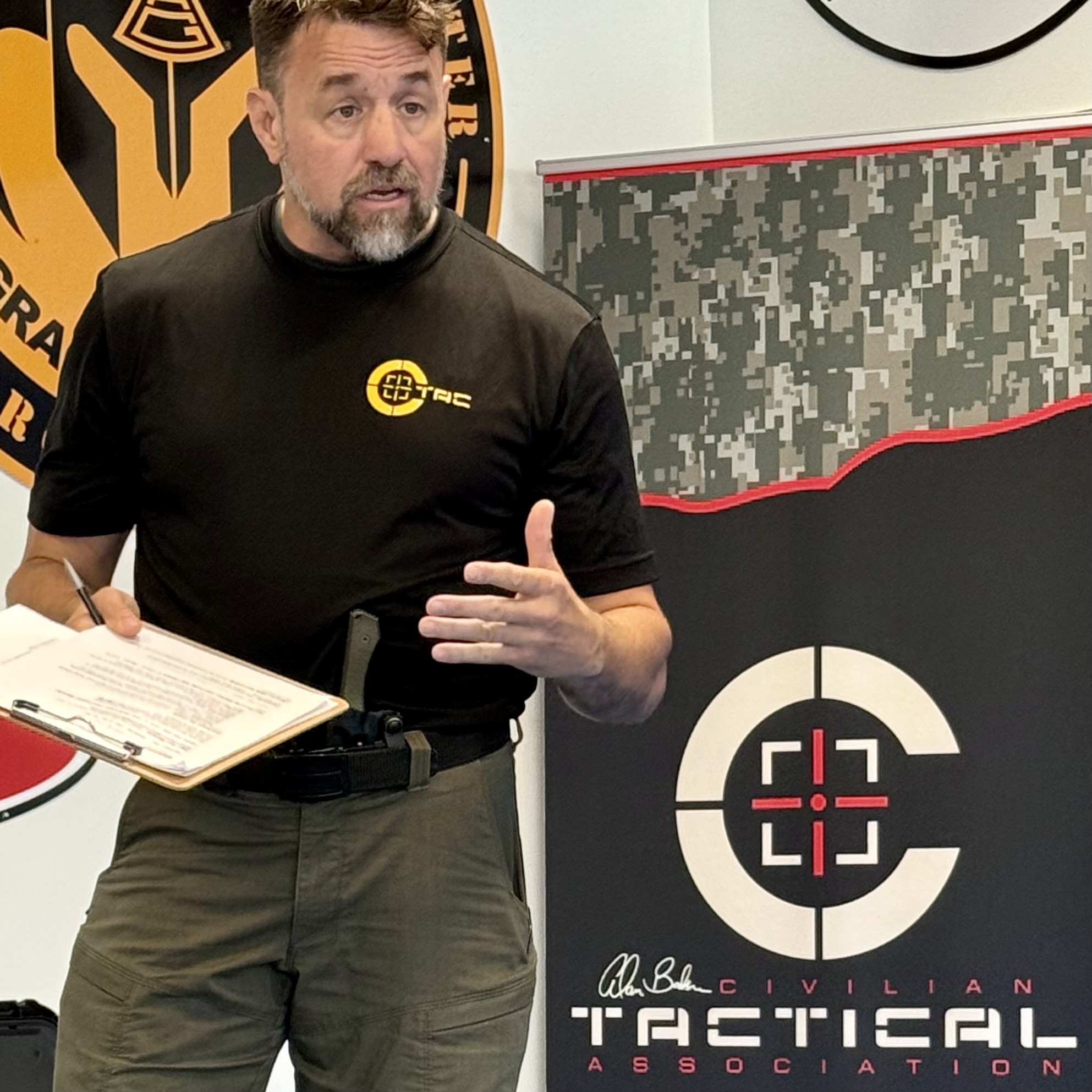
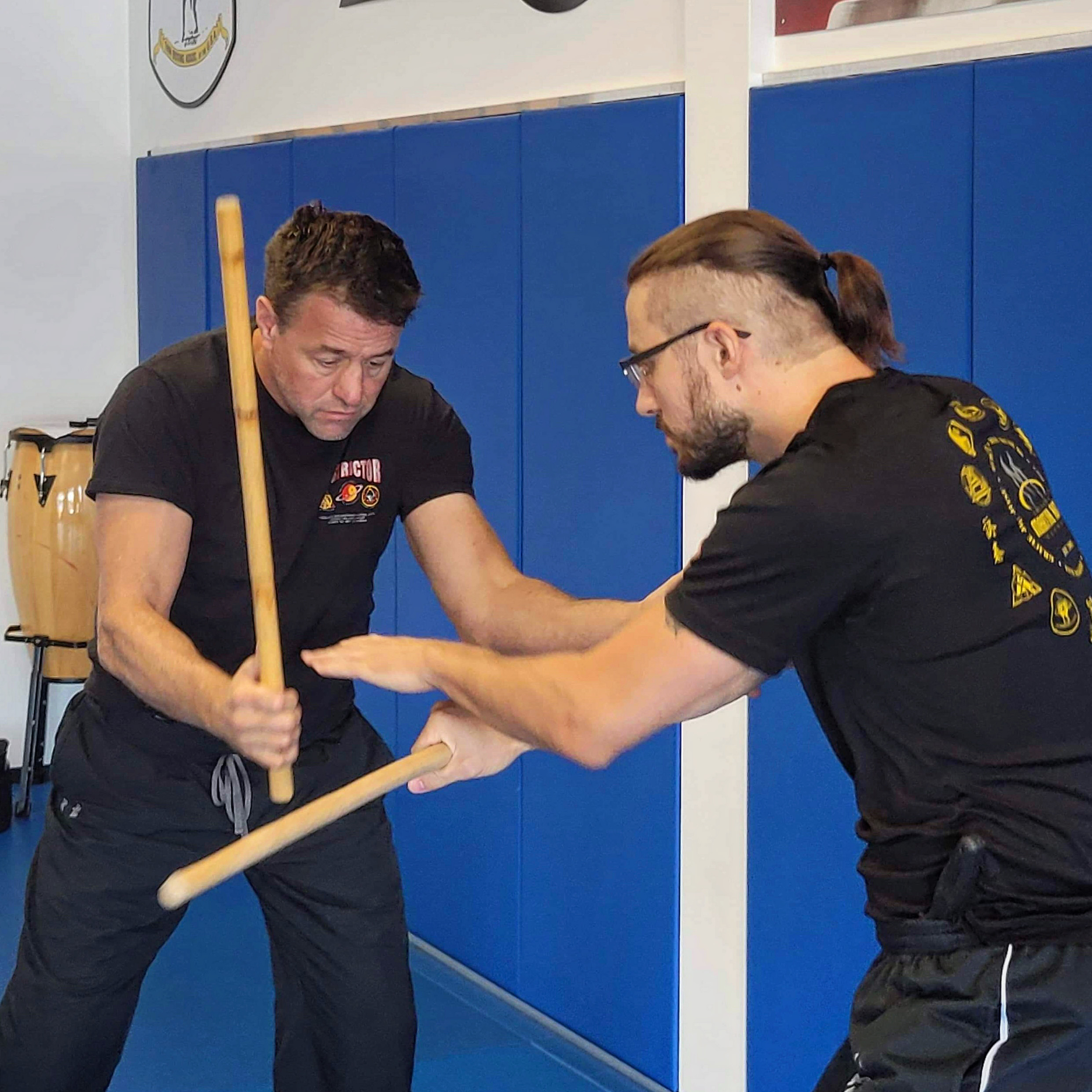
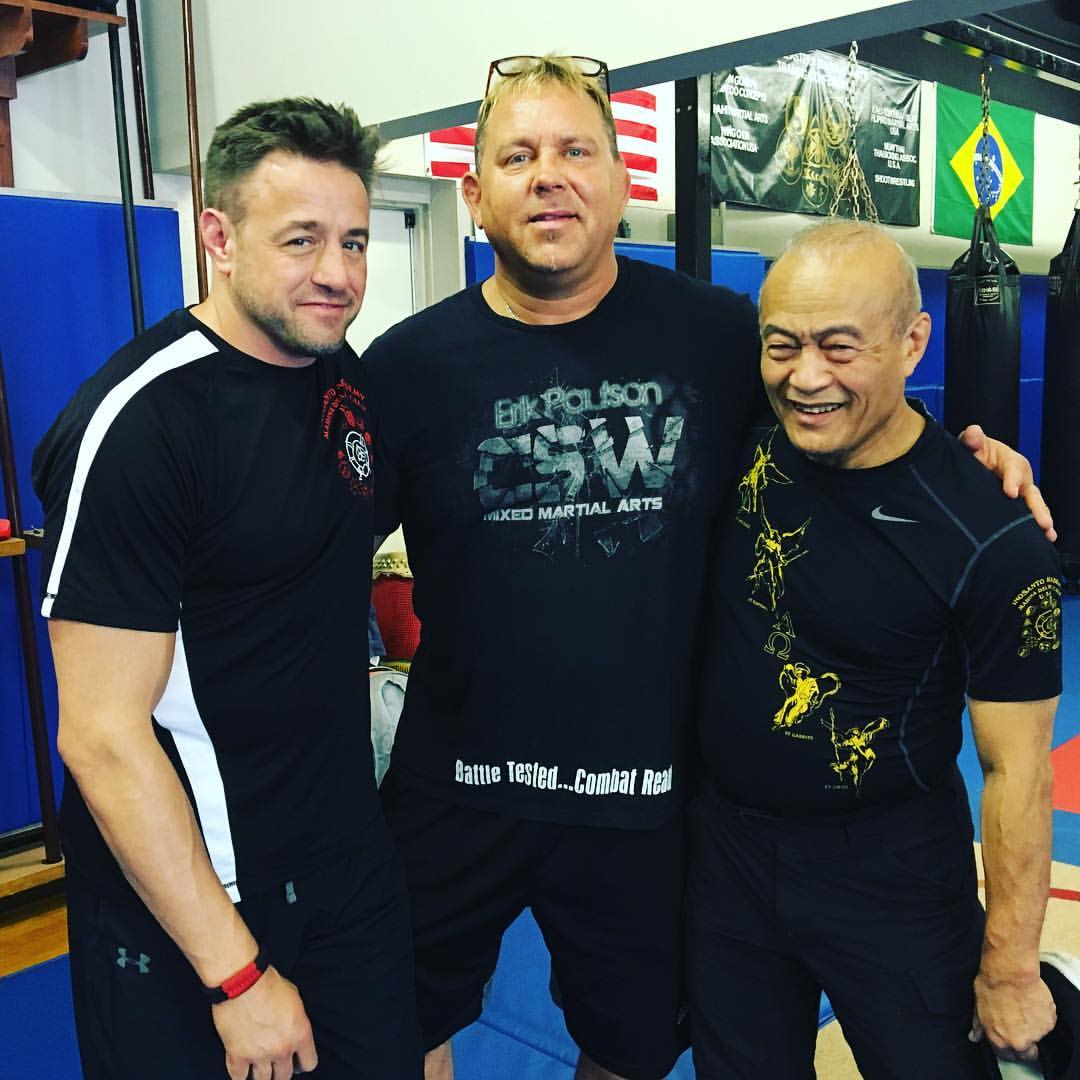
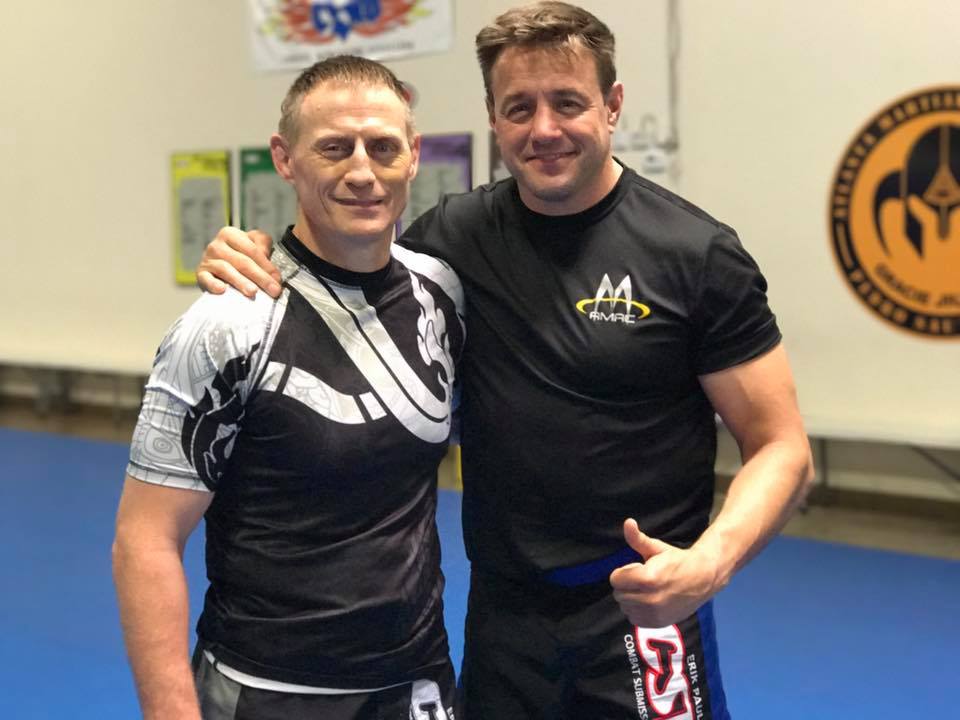
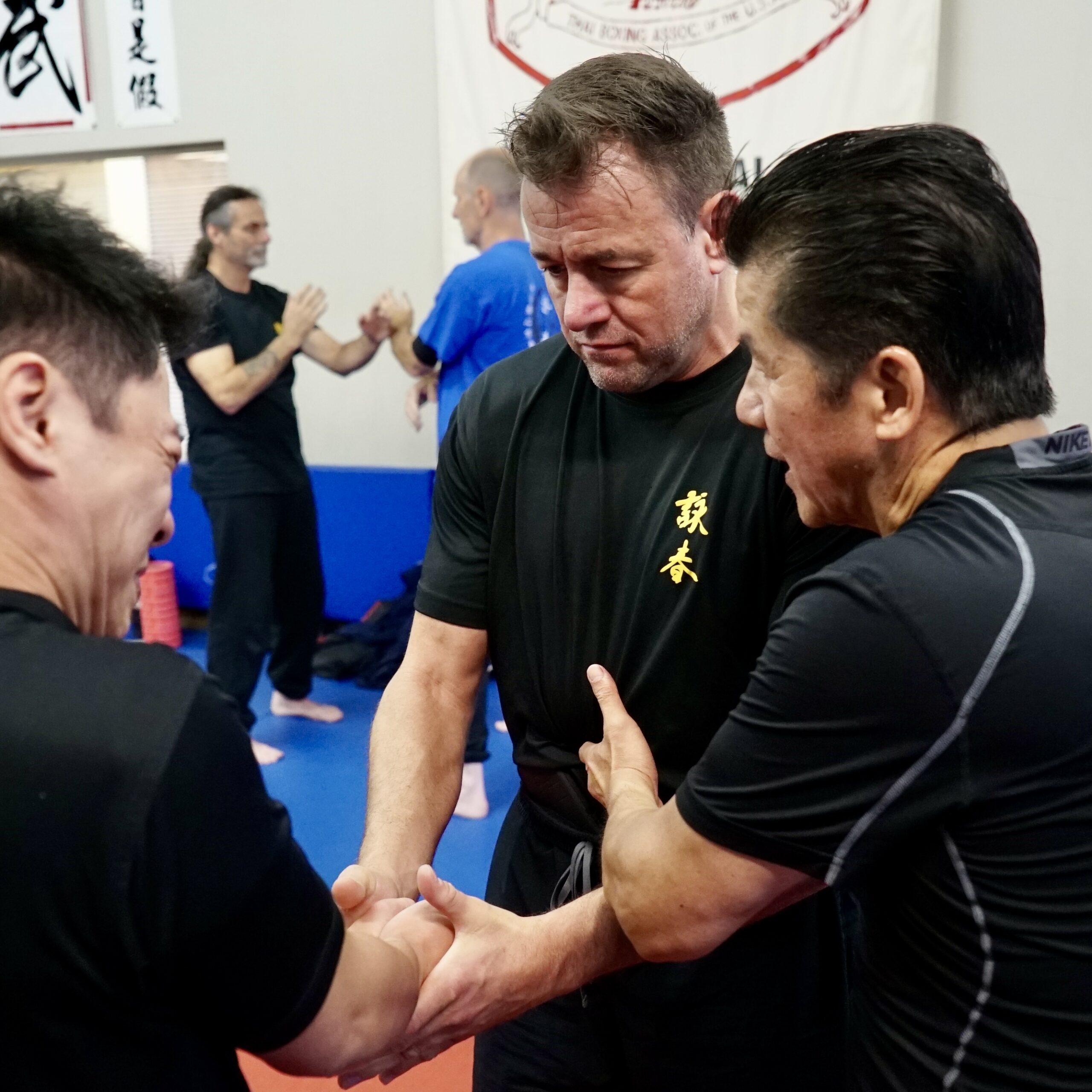
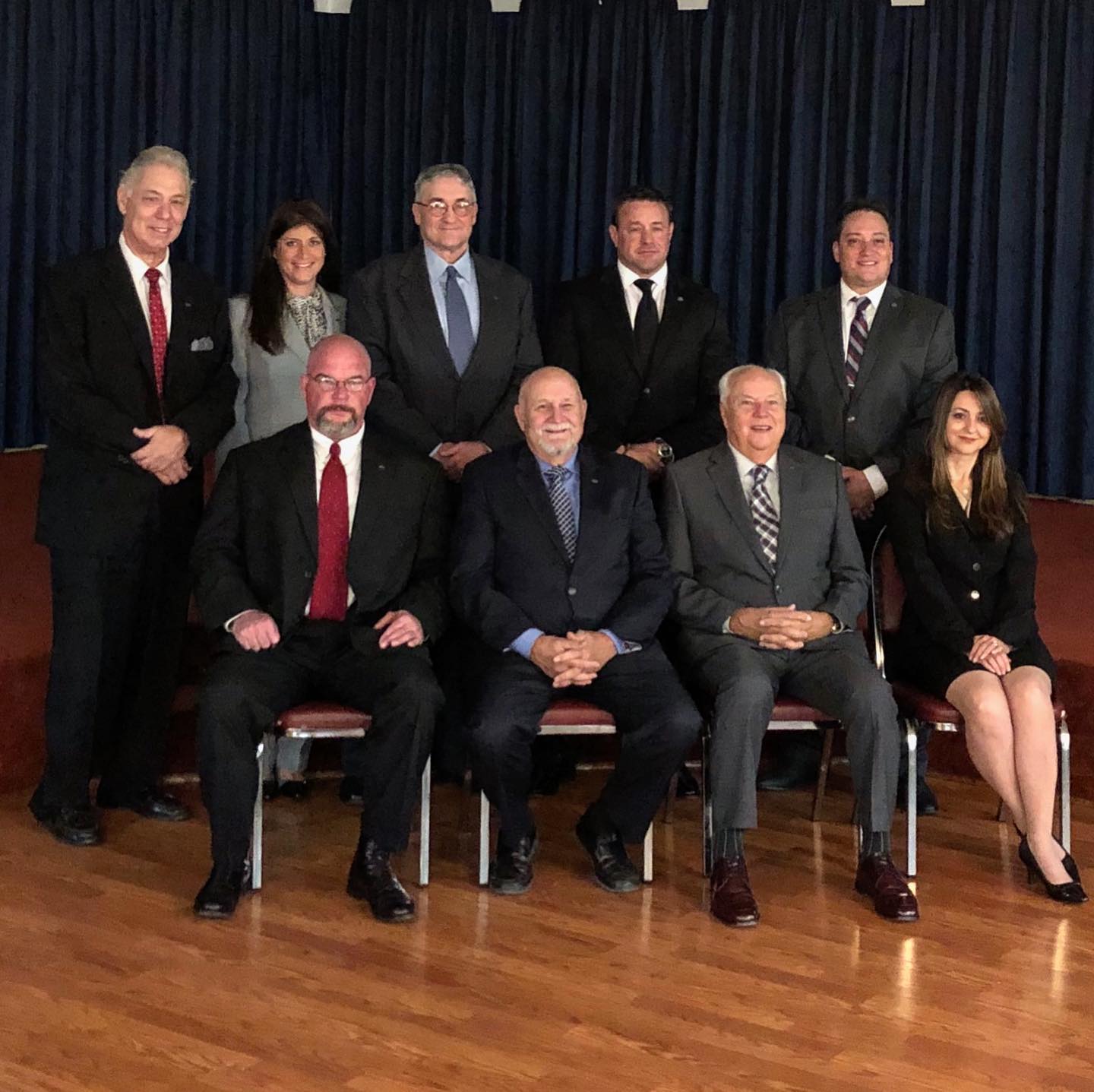
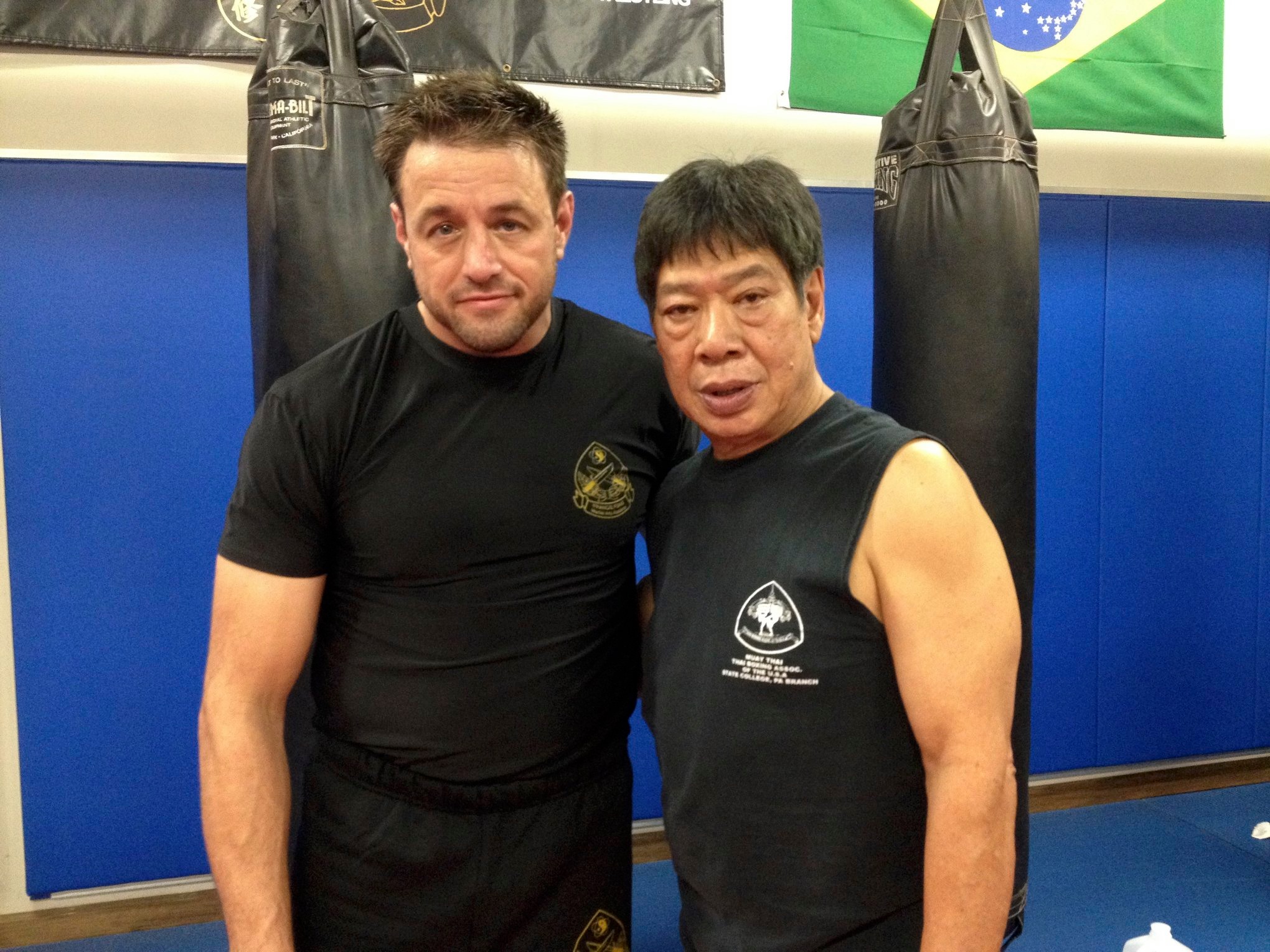
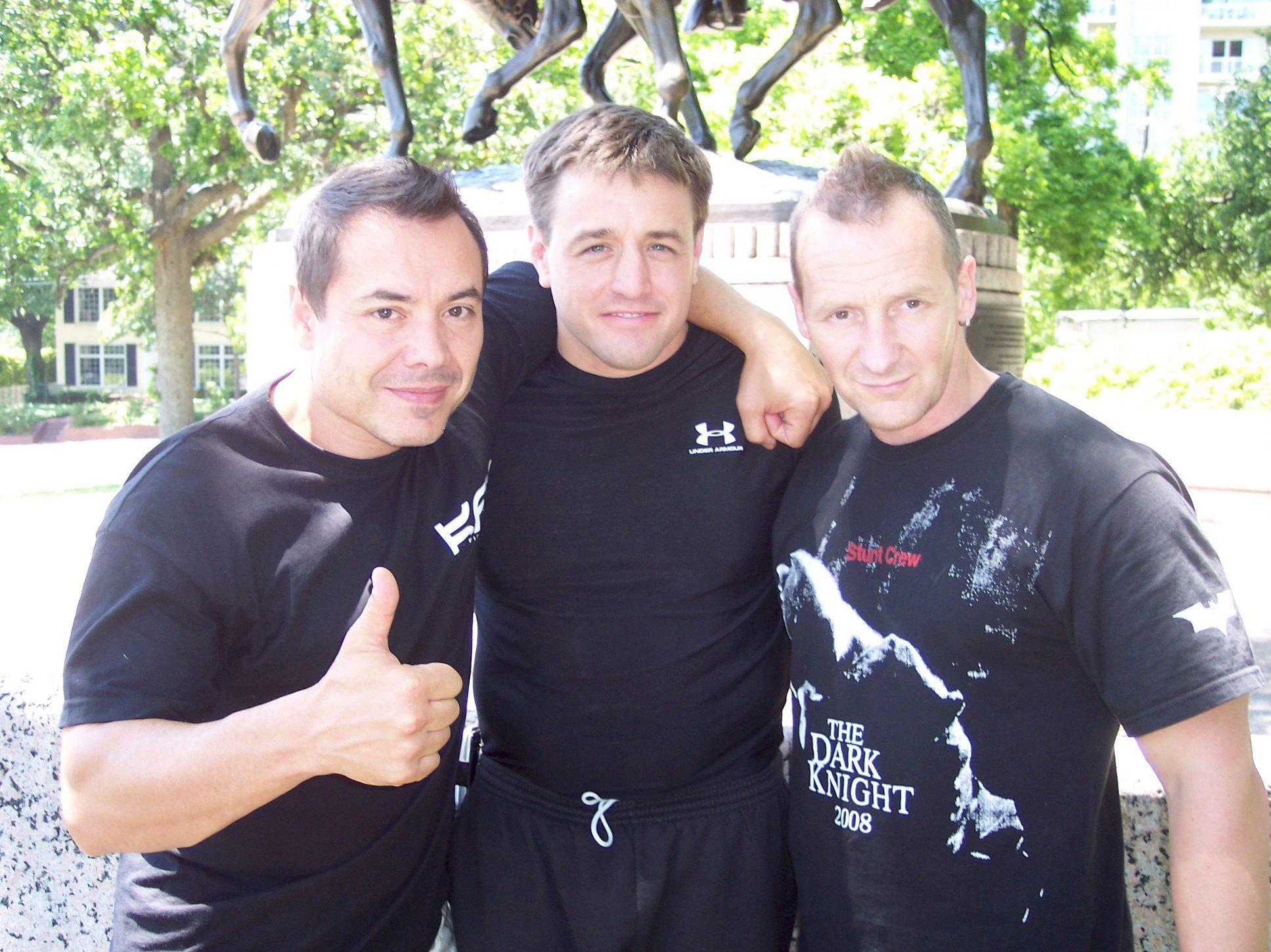
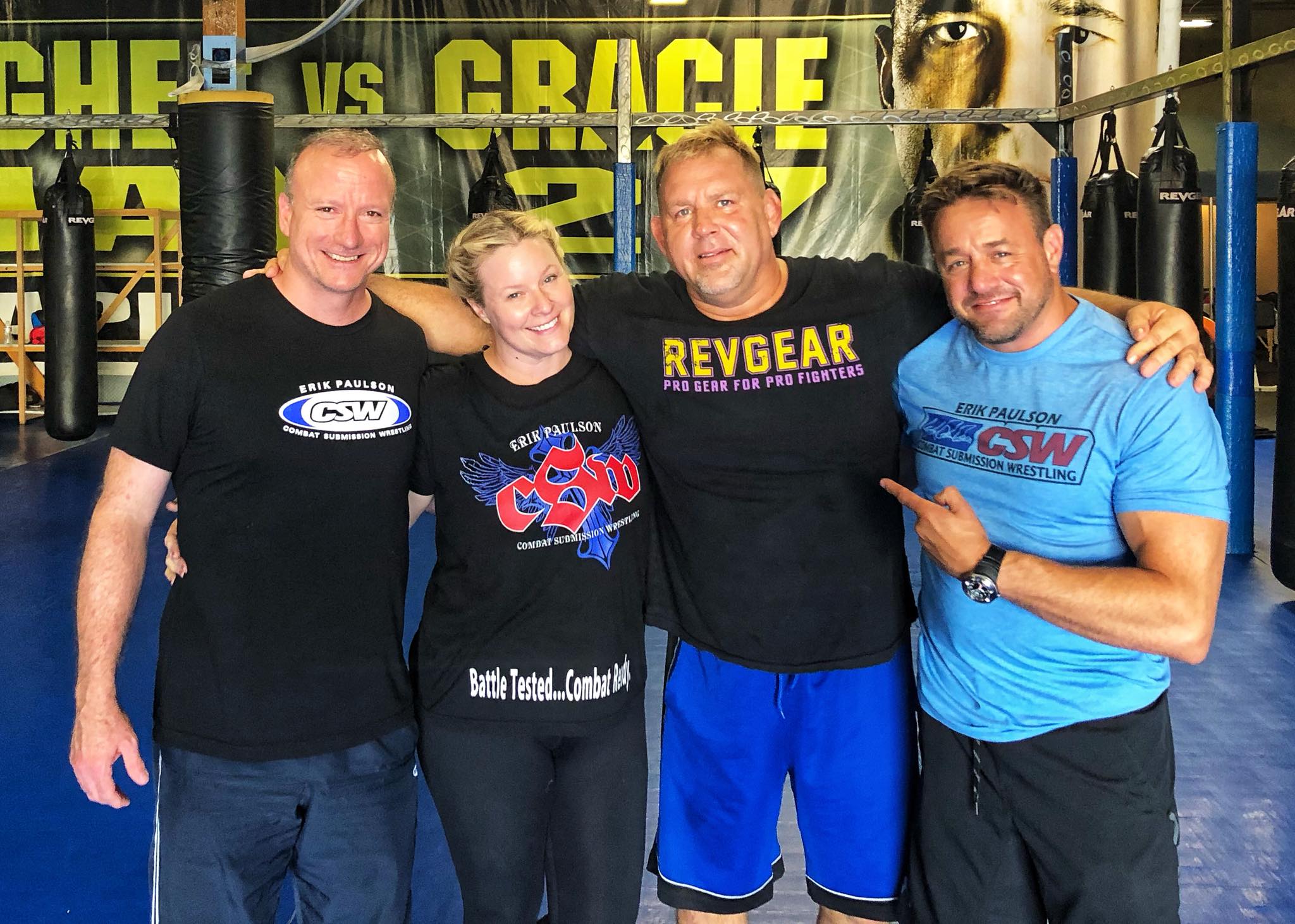
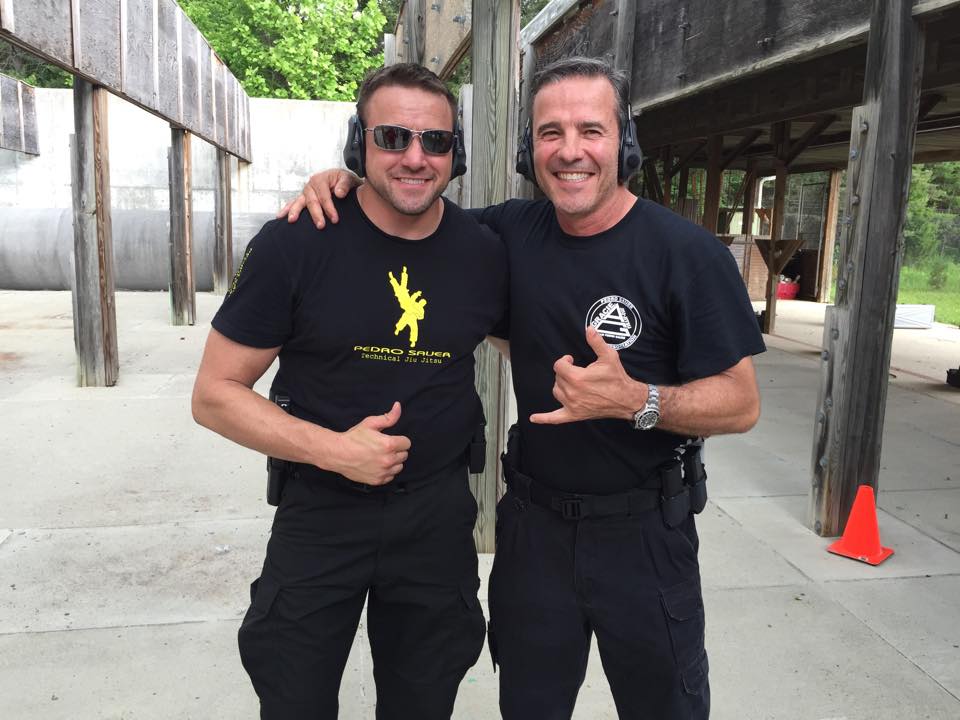
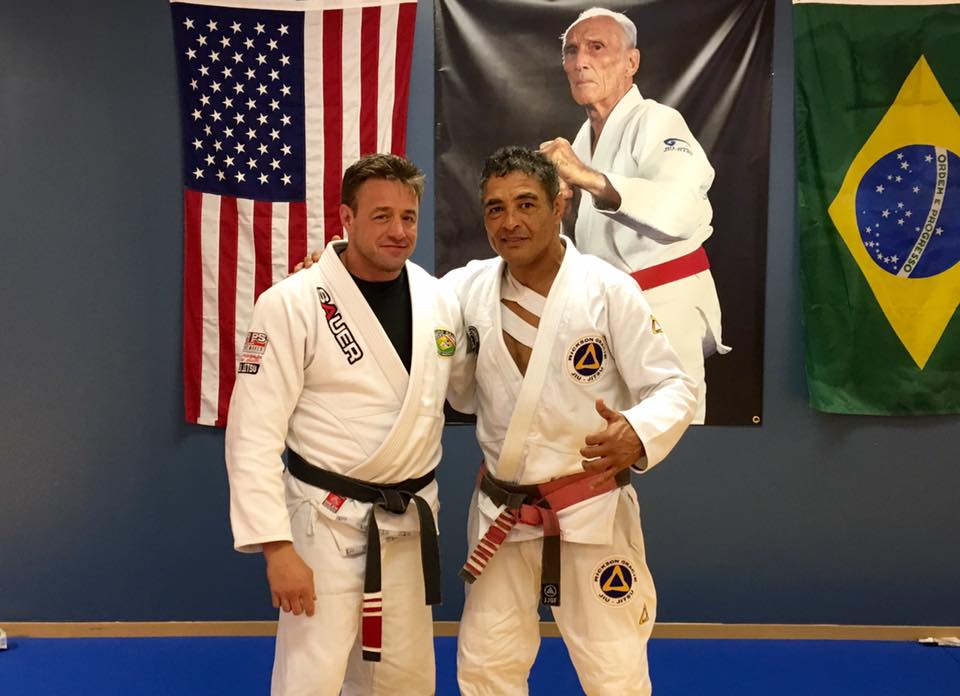
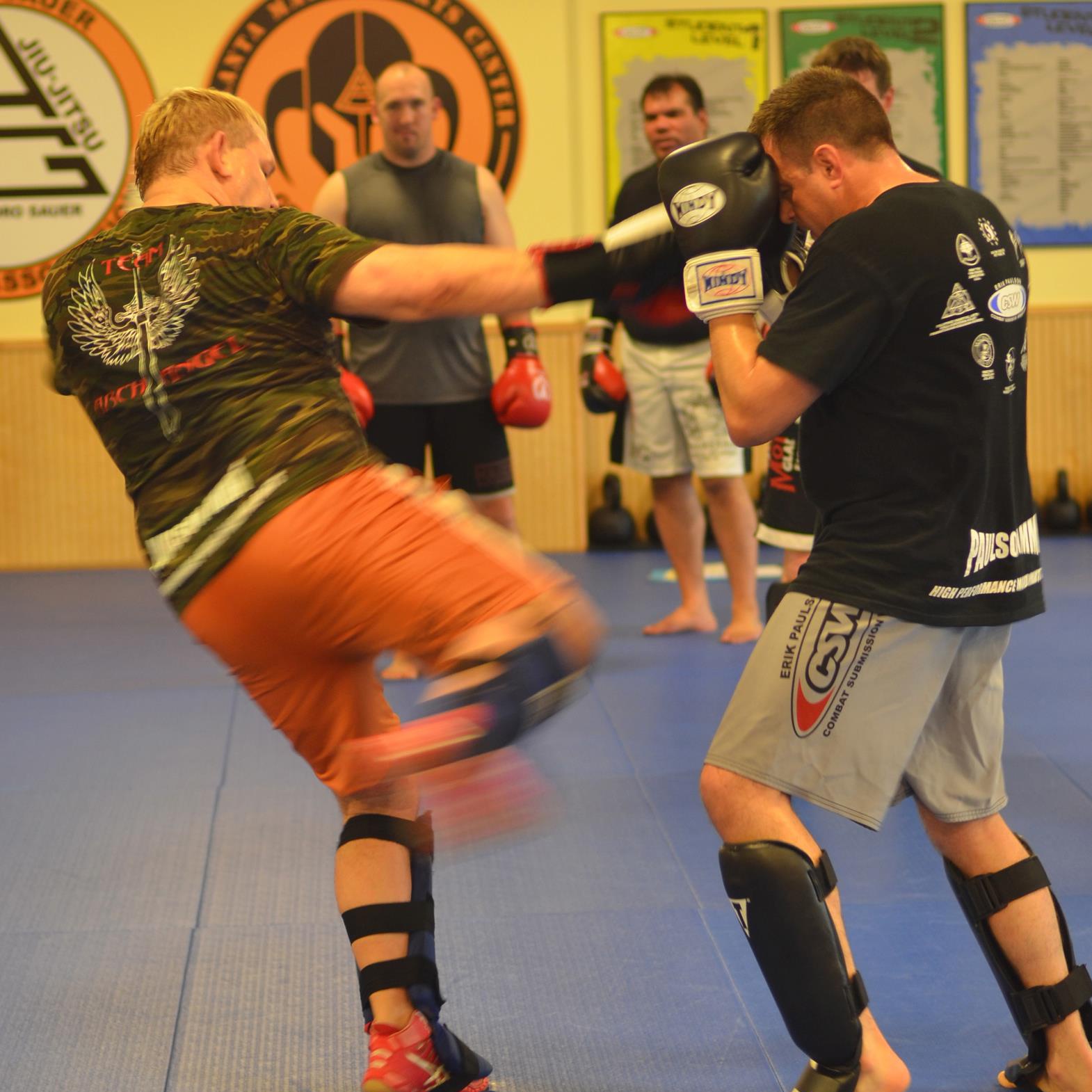
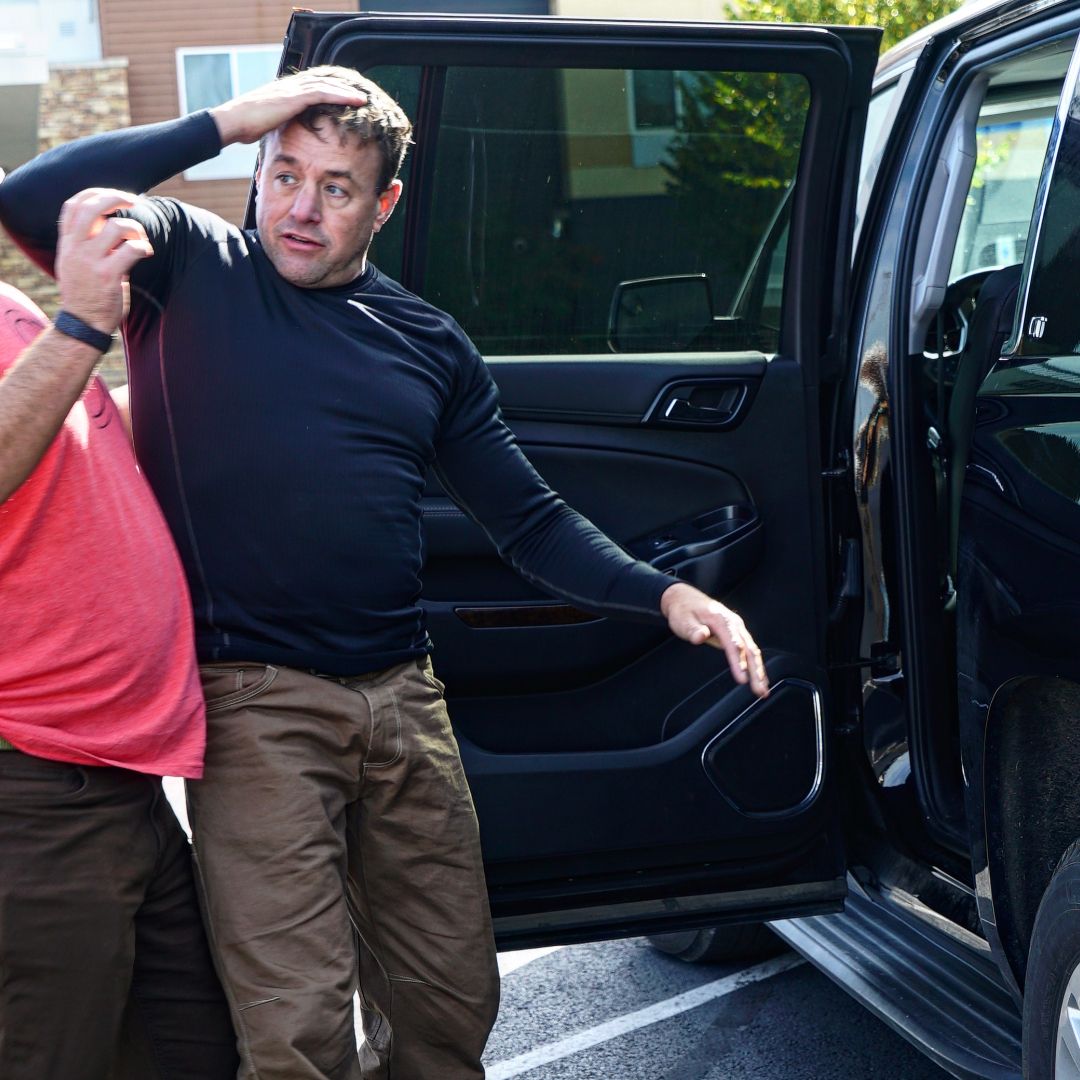
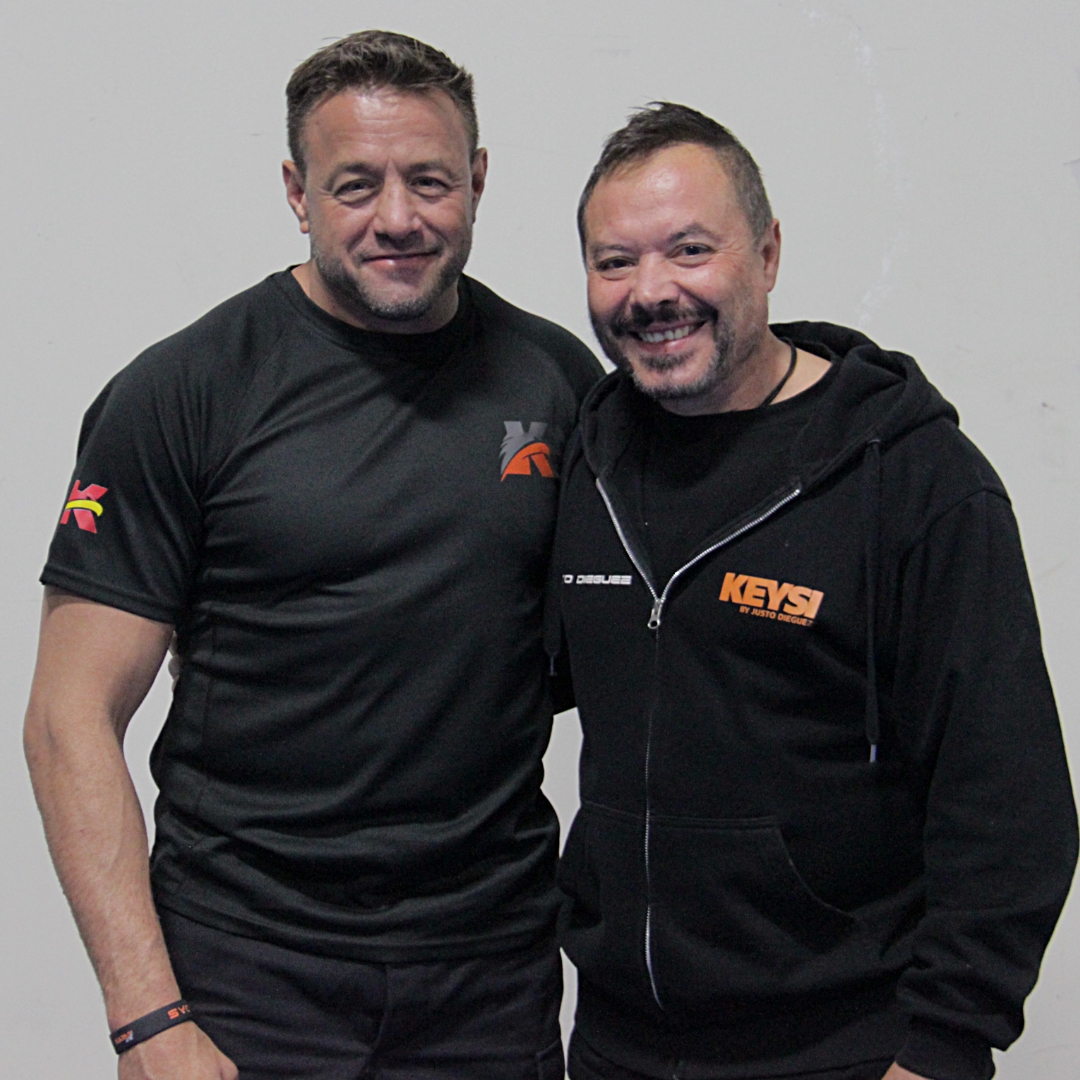
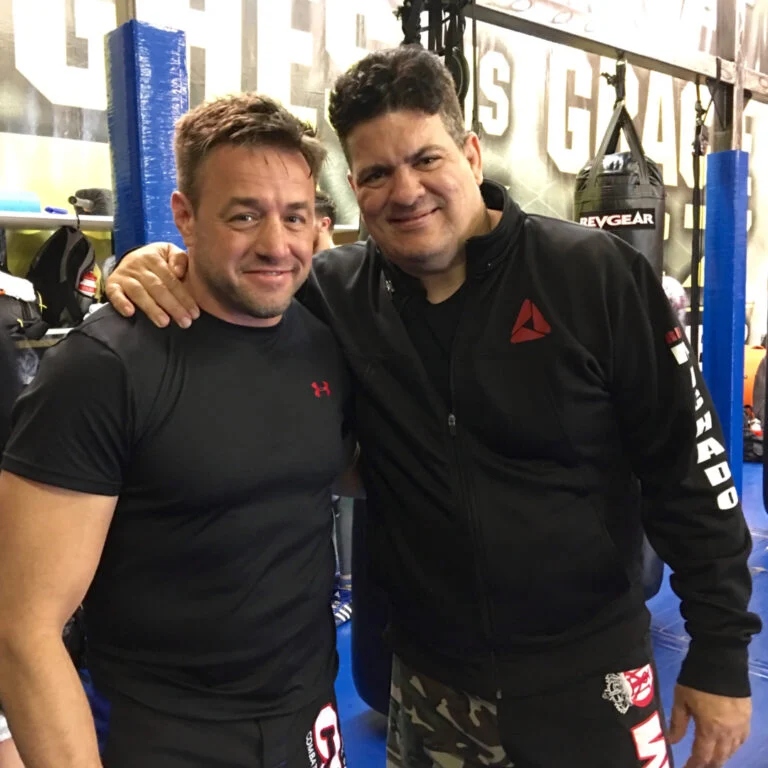
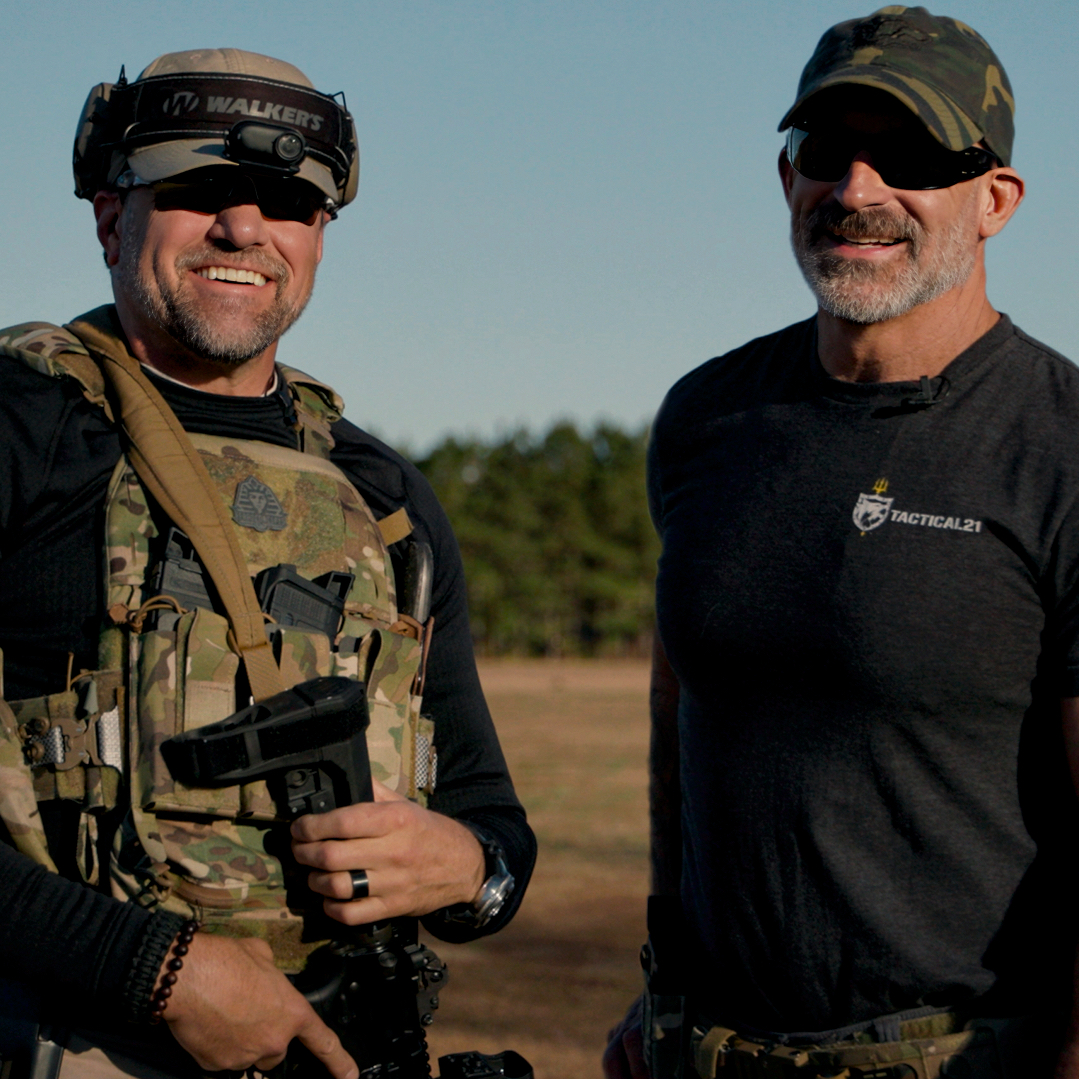
Alan’s development has been shaped through direct study with teachers across martial arts, self-protection, Brazilian Jiu-Jitsu, Filipino Martial Arts, combat sports, and combatives. Their instruction did more than add techniques—it influenced how he learns, tests, integrates, and teaches.
-
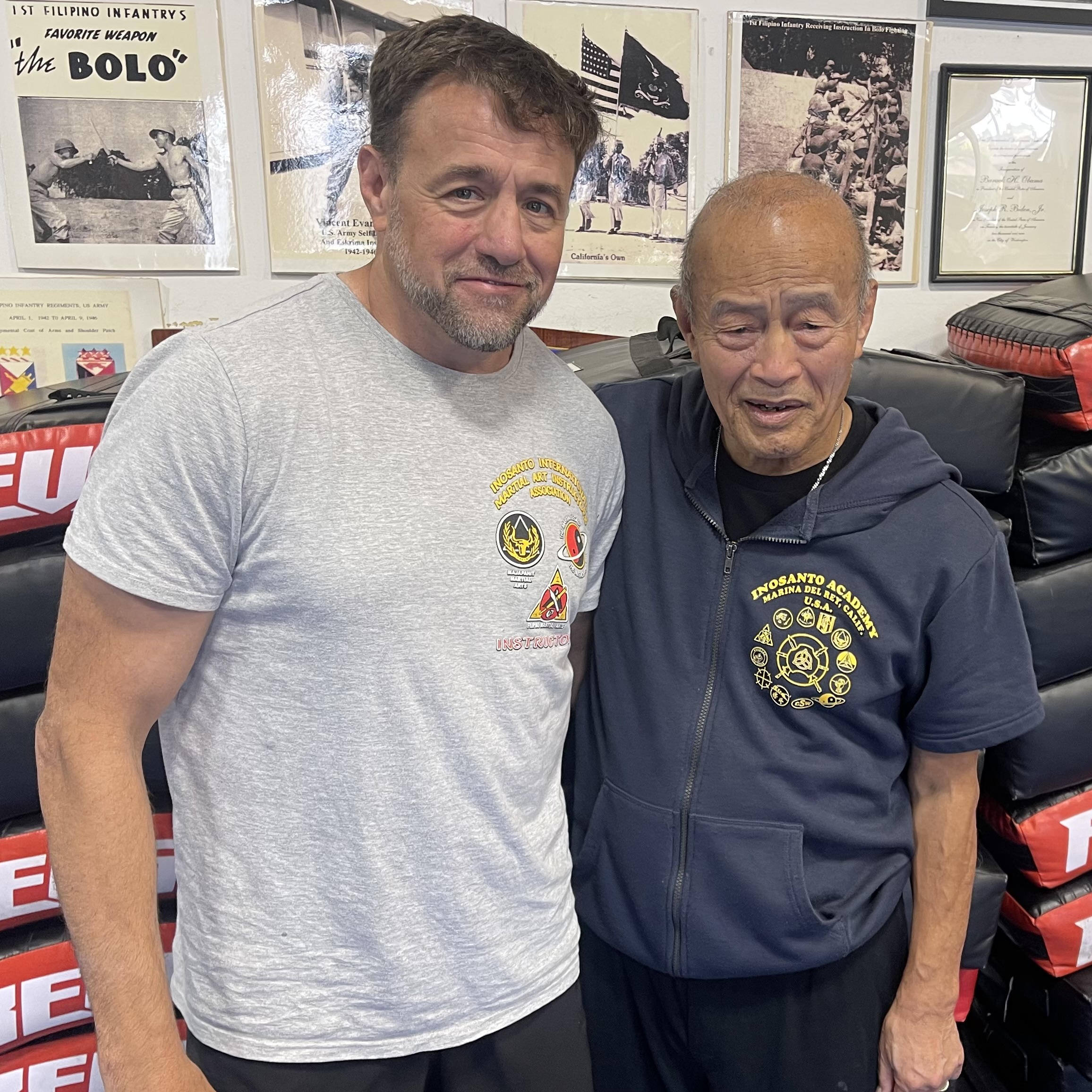
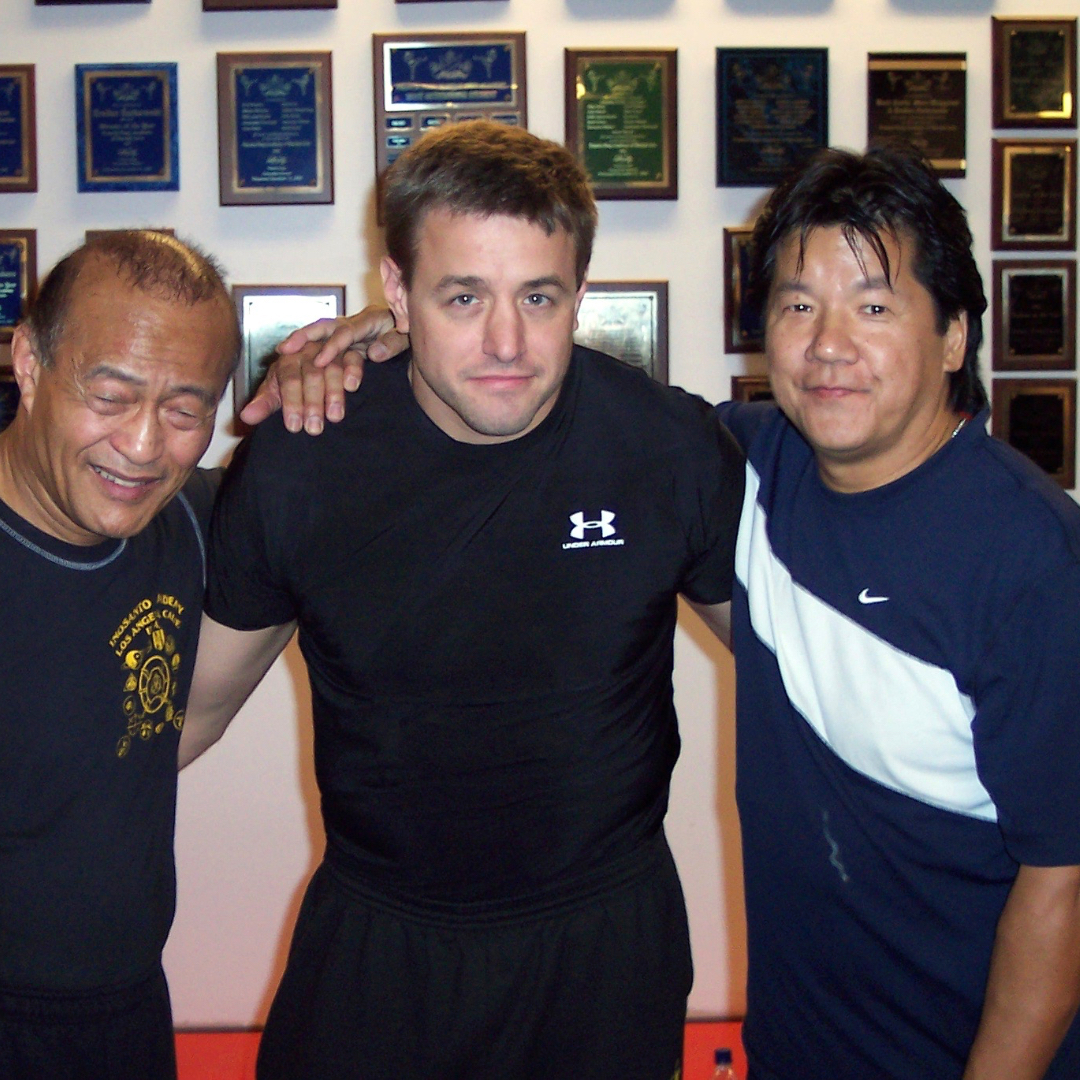
Dan Inosanto
Jeet Kune Do & Filipino Martial Arts
-
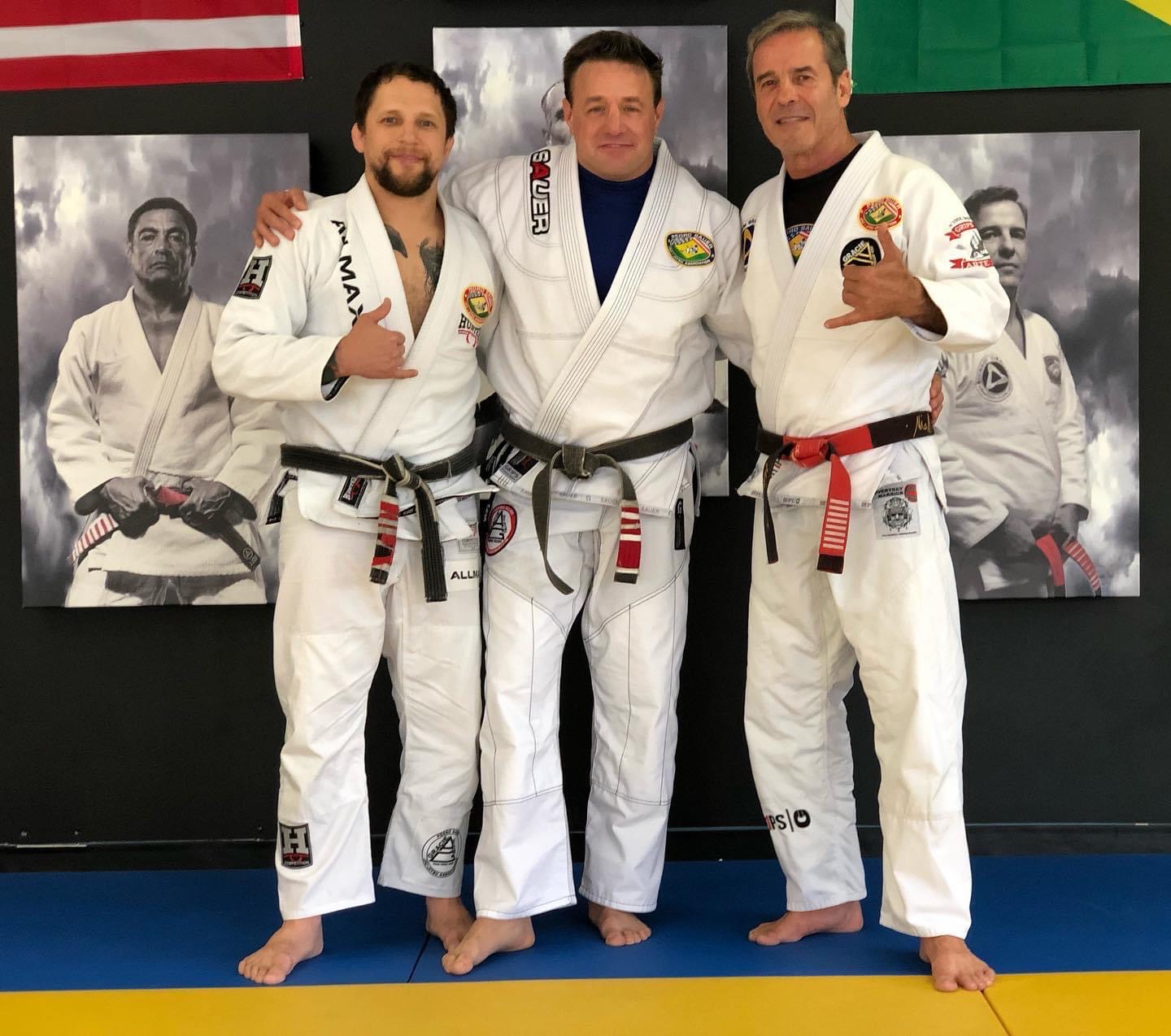
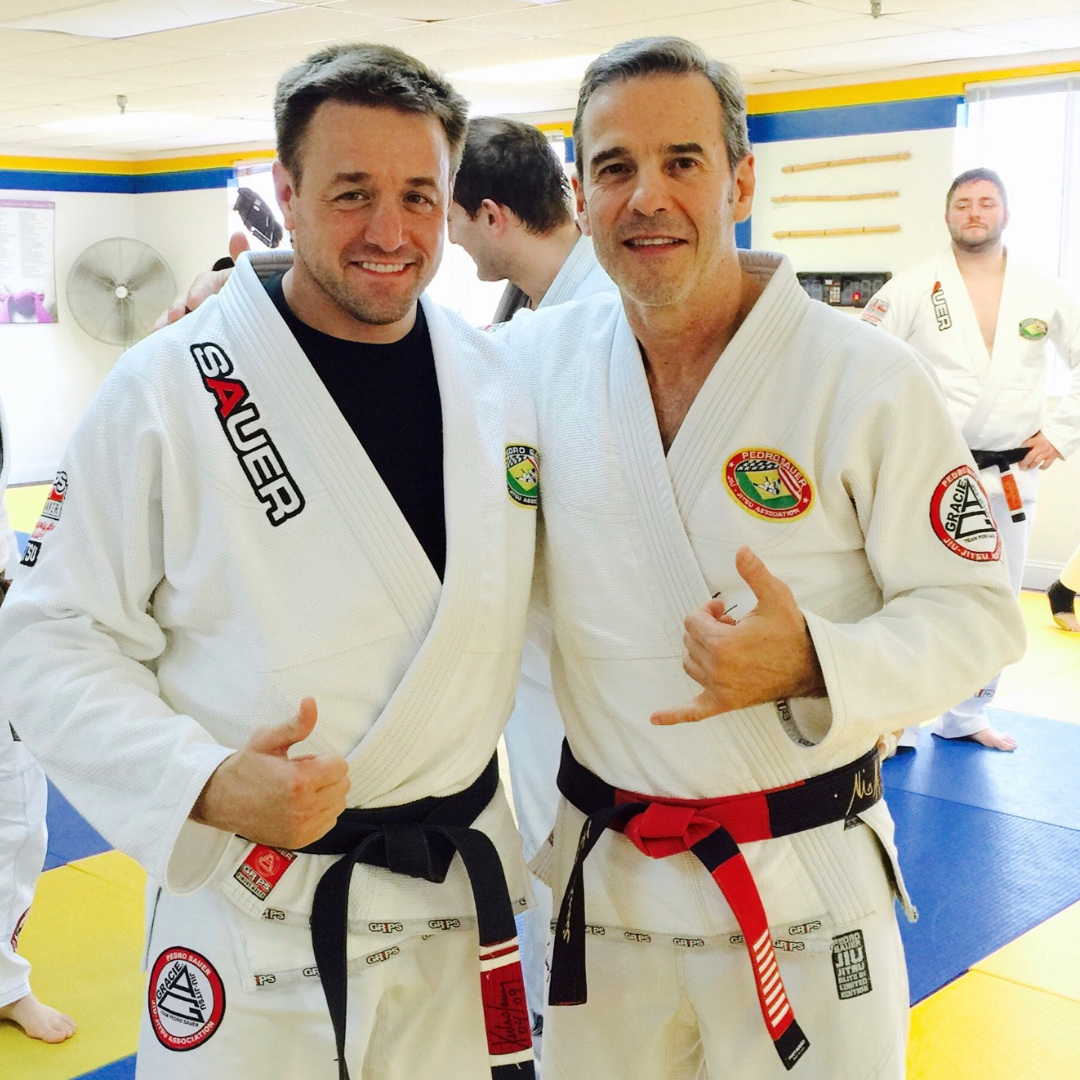
Pedro Sauer
Brazilian Jiu-Jitsu
-
Erik Paulson
Combat Submission Wrestling
-
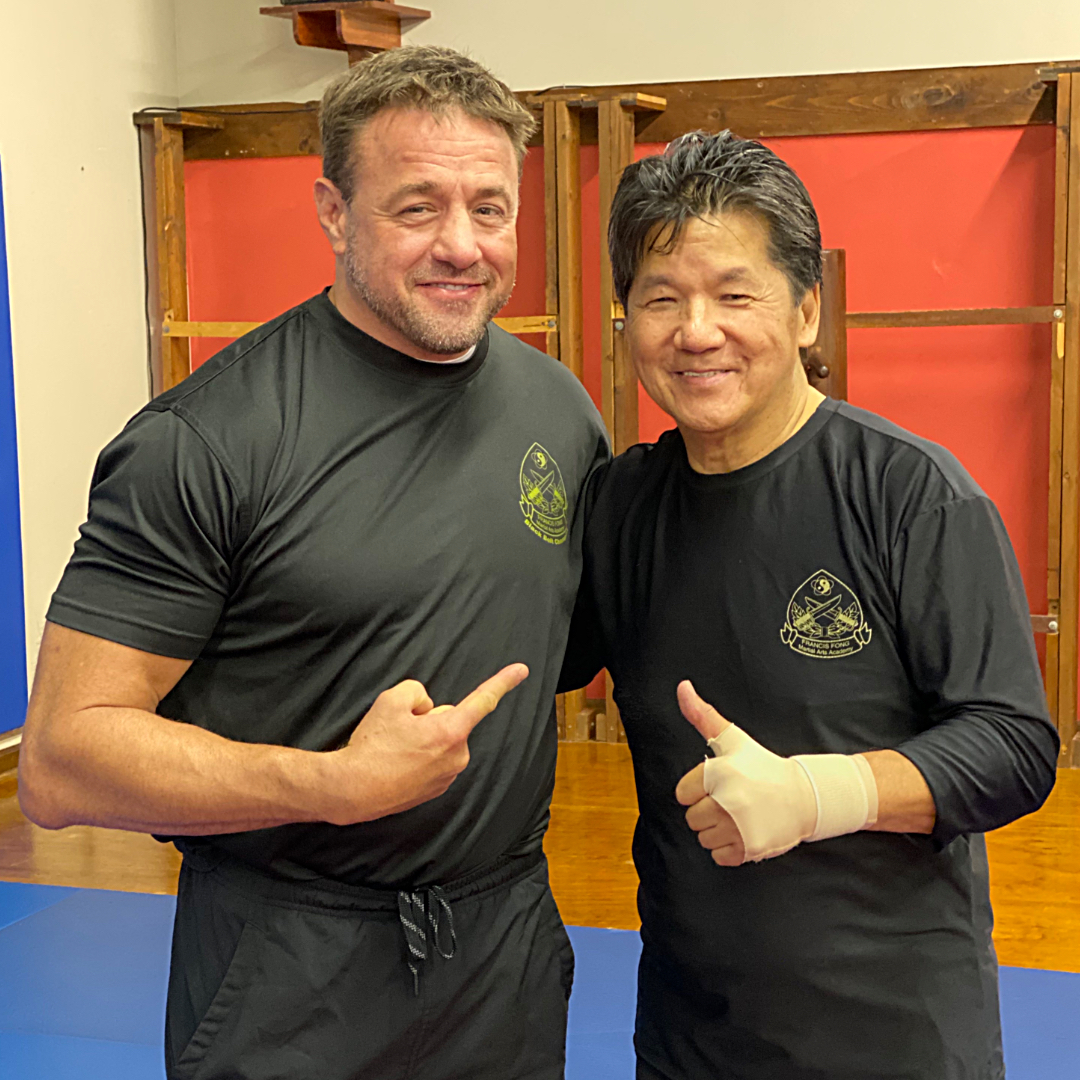
Francis Fong
Wing Chun Kung Fu
-
Ajarn Chai Sirisute
Muay Thai
-
Greg Nelson
Mixed Martial Arts & Coaching
-
Sijo Dana Miller
Traditional Martial Arts
-
Tim Waid
Pekiti-Tirsia Kali
-
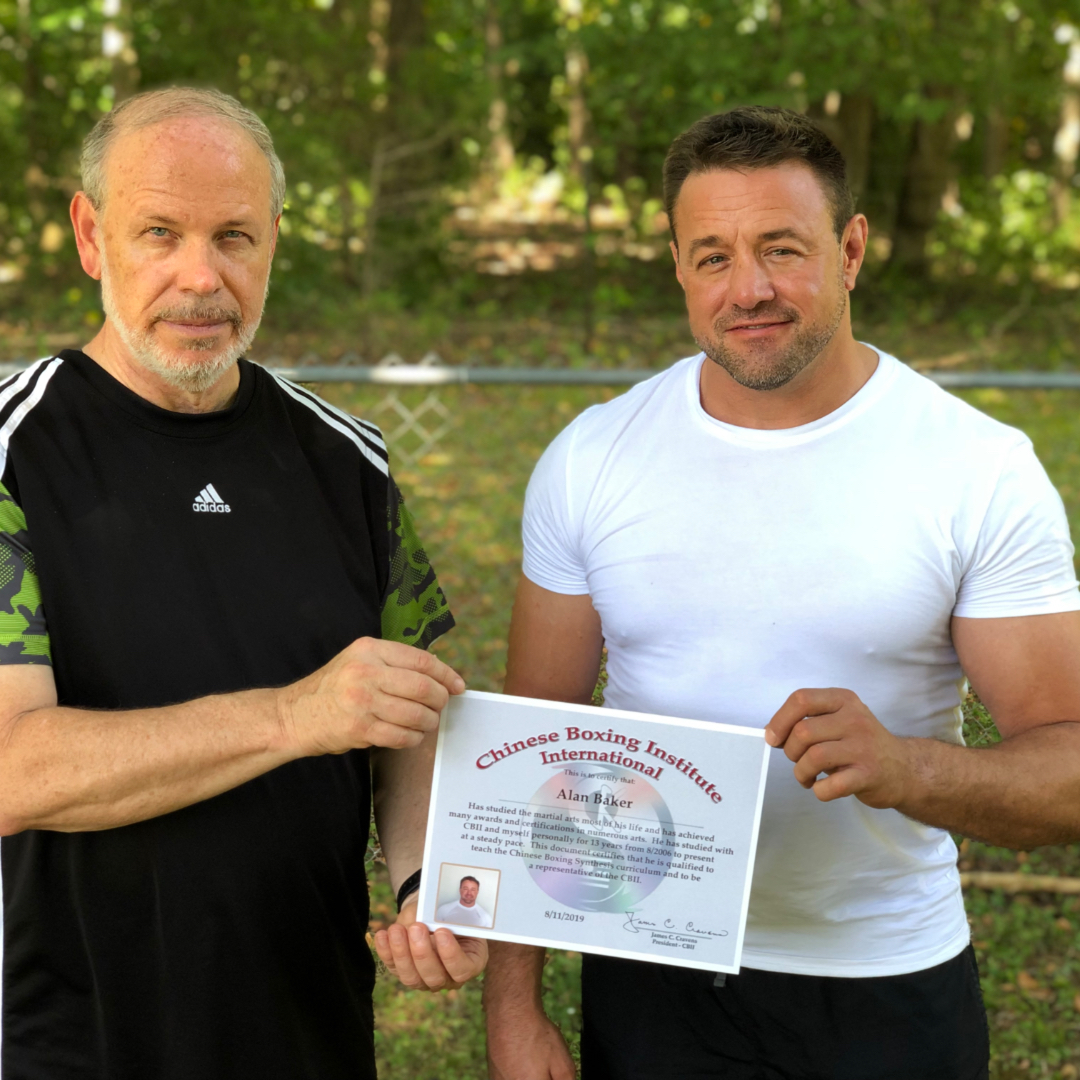
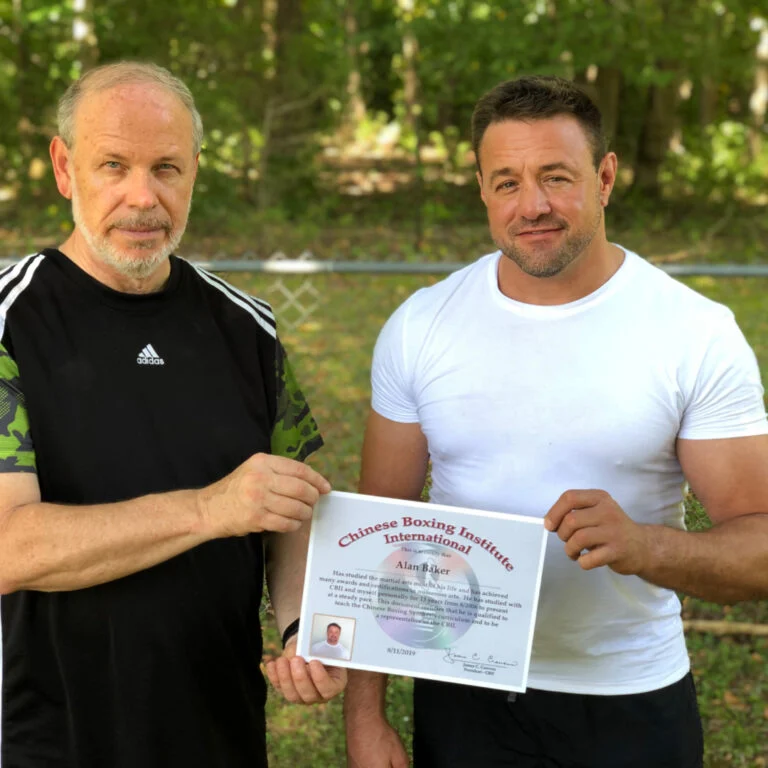
Professor James Cravens
Chinese Boxing
-
Master Bob Byrd
Judo & Grappling
-
Justo Diéguez
Keysi Fighting Method
-
Guro Don Garon
Combatives & Professional Development
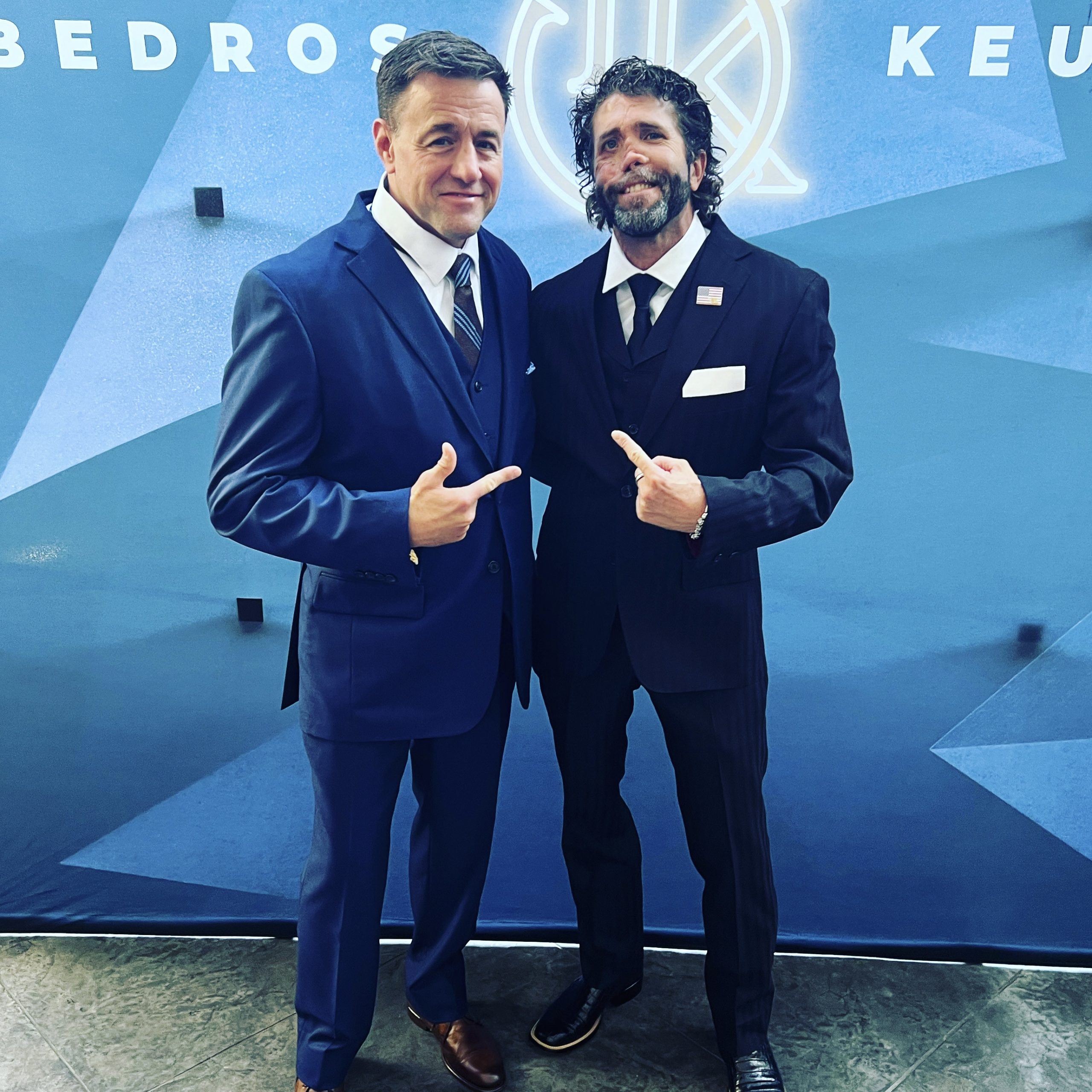
This is not a complete record of Alan’s teachers. It is a selected acknowledgment of mentors whose instruction, standards, and example helped shape the work presented on this page.


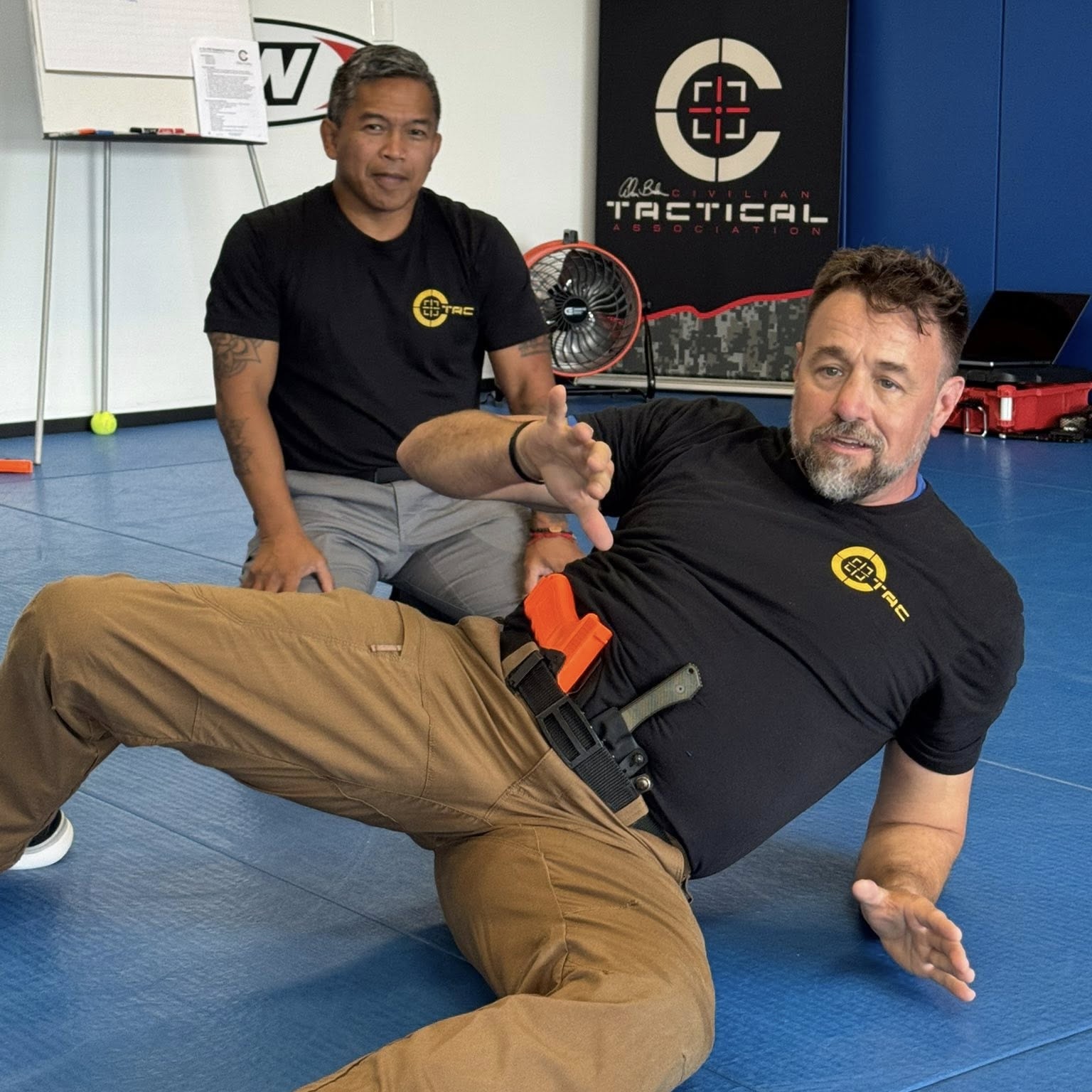
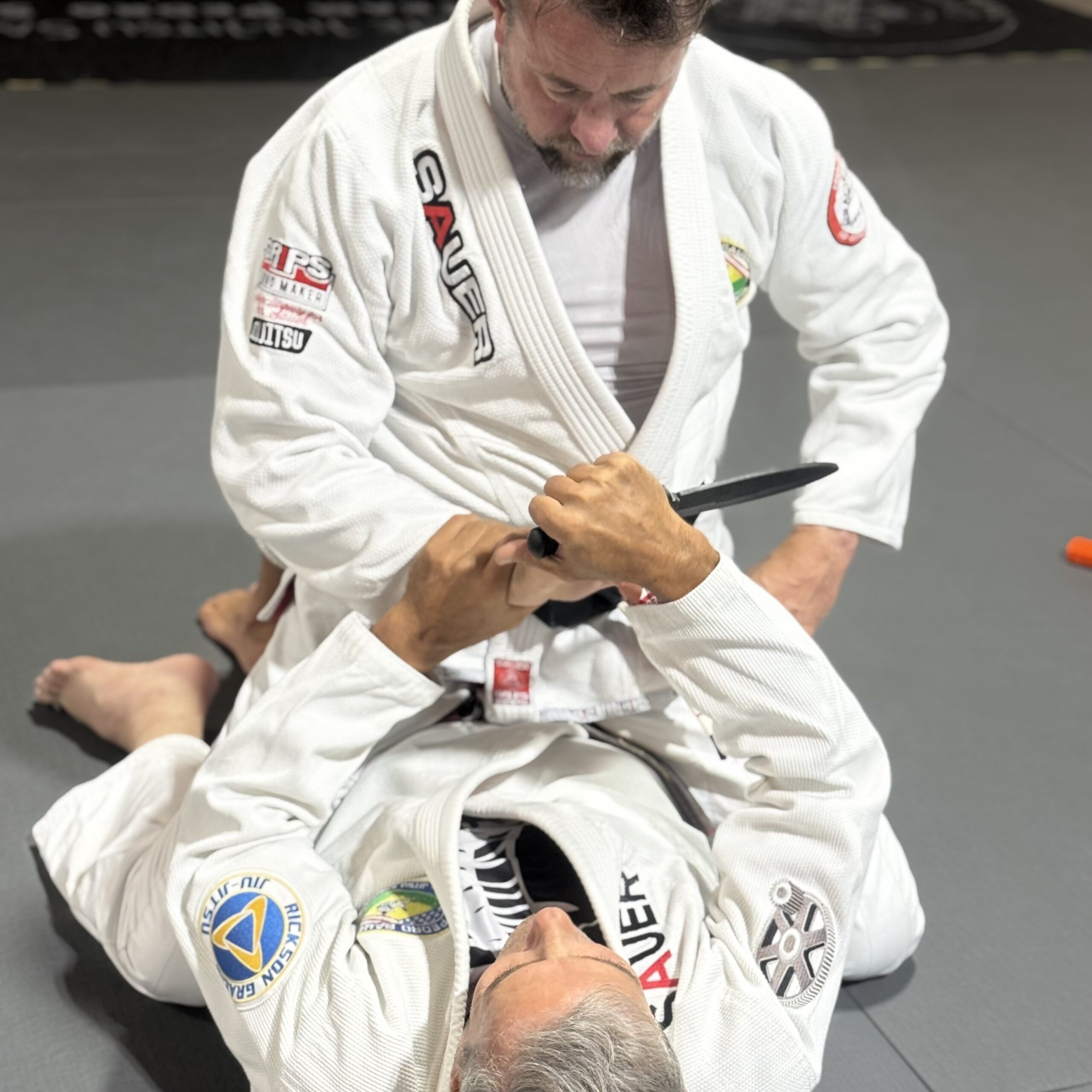
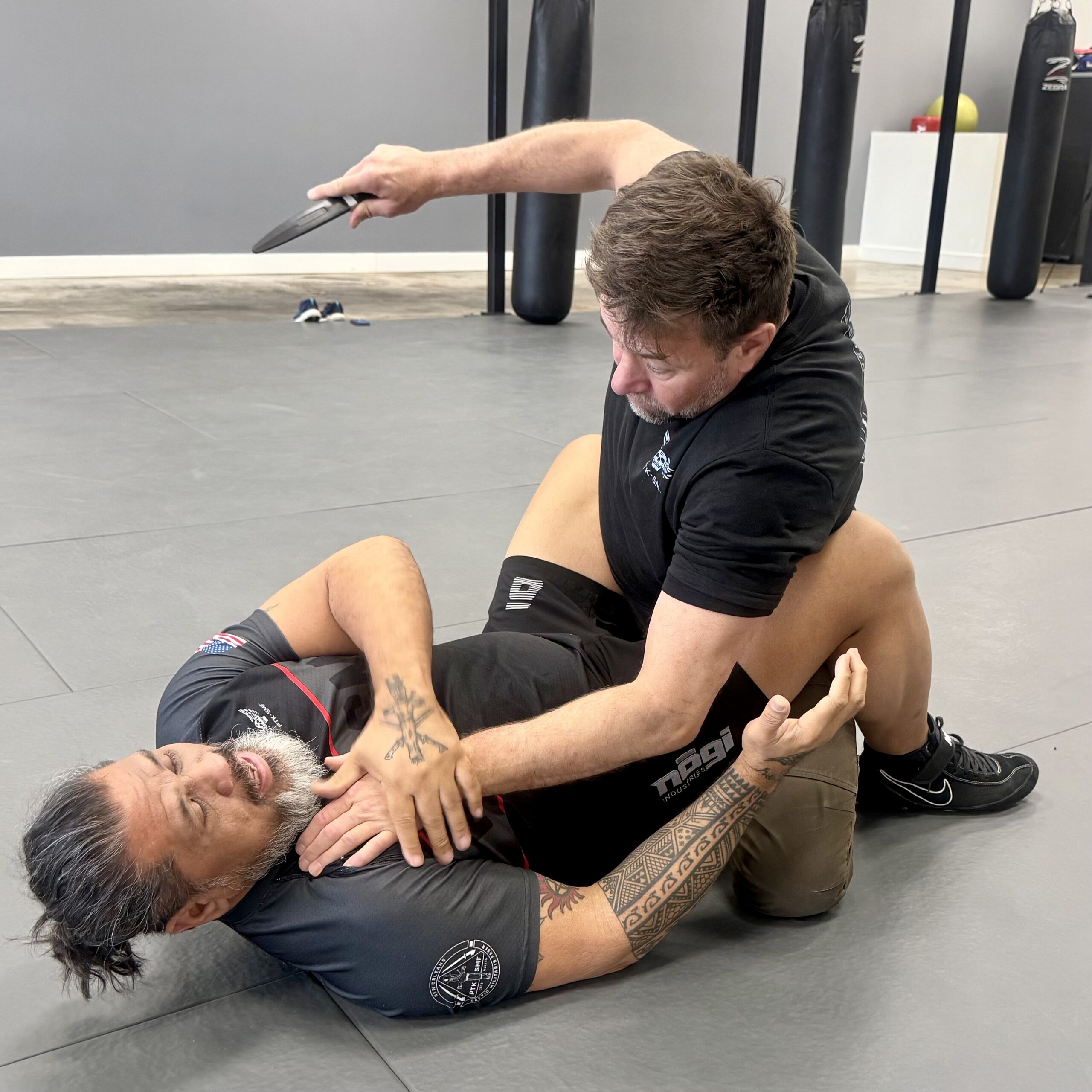
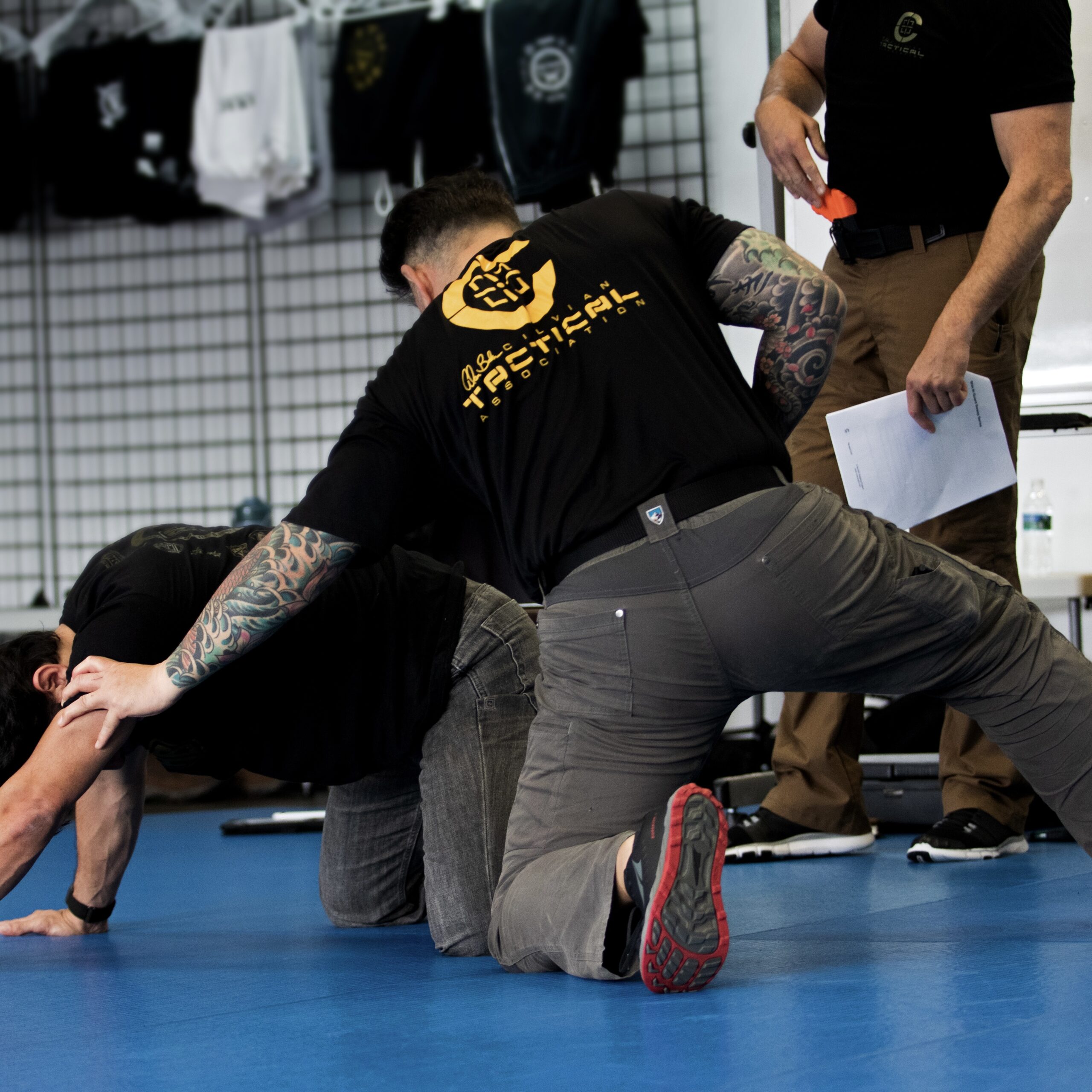
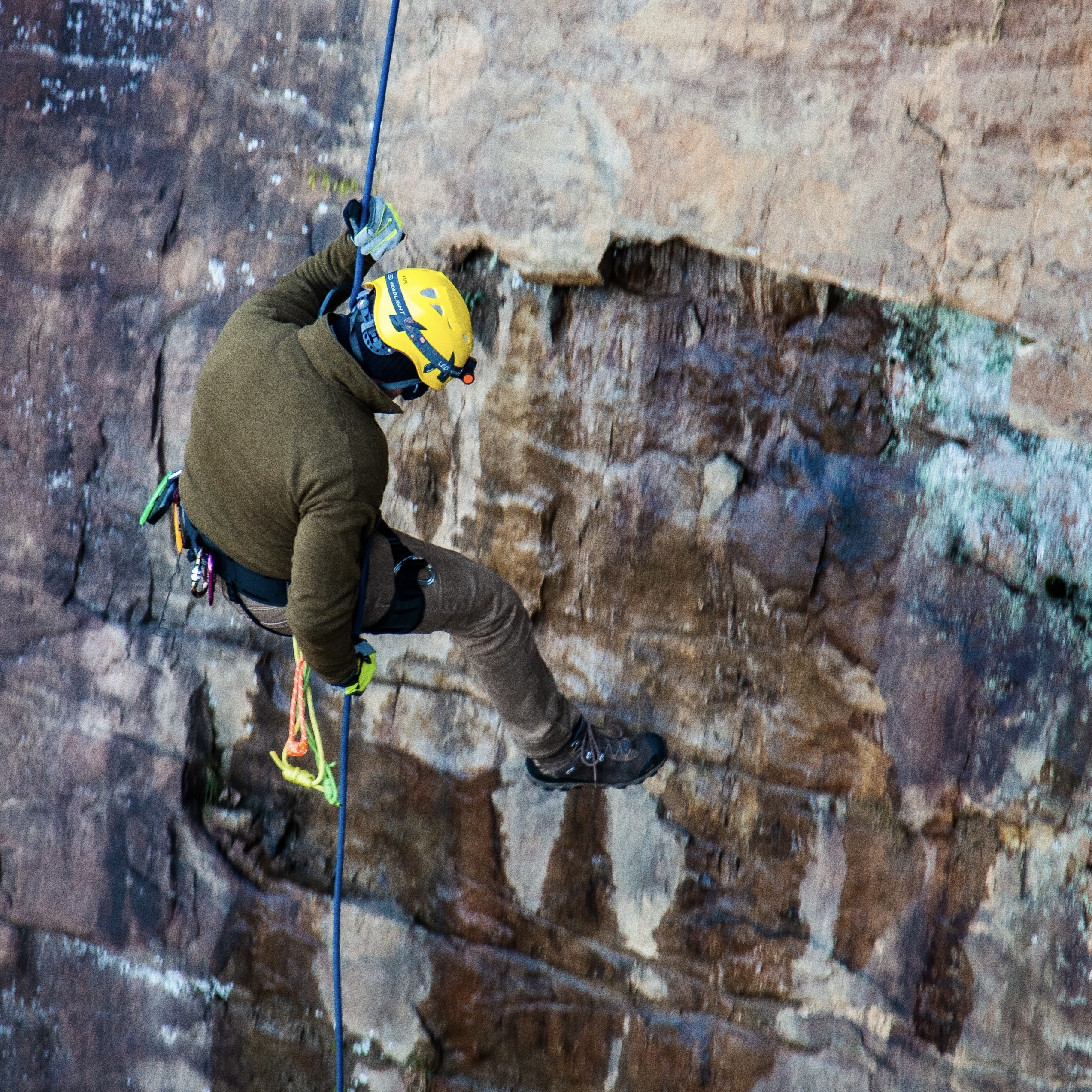





How the Work Comes Together
From Study to Synthesis
Integration is not the random blending of techniques. It begins by respecting each system, understanding its context, and testing where its methods truly belong.
Alan’s approach looks for useful connections without erasing the identity of the source material. The objective is a coherent body of knowledge that can adapt across ranges, environments, and changing conditions.
-
Study in Context
Learn the system on its own terms—its purpose, structure, assumptions, and the problems it was designed to solve.
-
Test Under Pressure
Move ideas beyond theory through controlled resistance, changing conditions, practical application, and honest evaluation.
-
Connect the Domains
Identify how methods interact across awareness, weapons, striking, clinch, hand fighting, and ground engagement.
-
Translate Into Teaching
Organize what has been learned into clear principles, progressive training, and instruction people can understand and apply.
The goal is not to build a larger collection. It is to develop a clearer, more adaptable way of understanding the problem.
The Work Continues
Still Learning. Still Testing. Still Teaching.
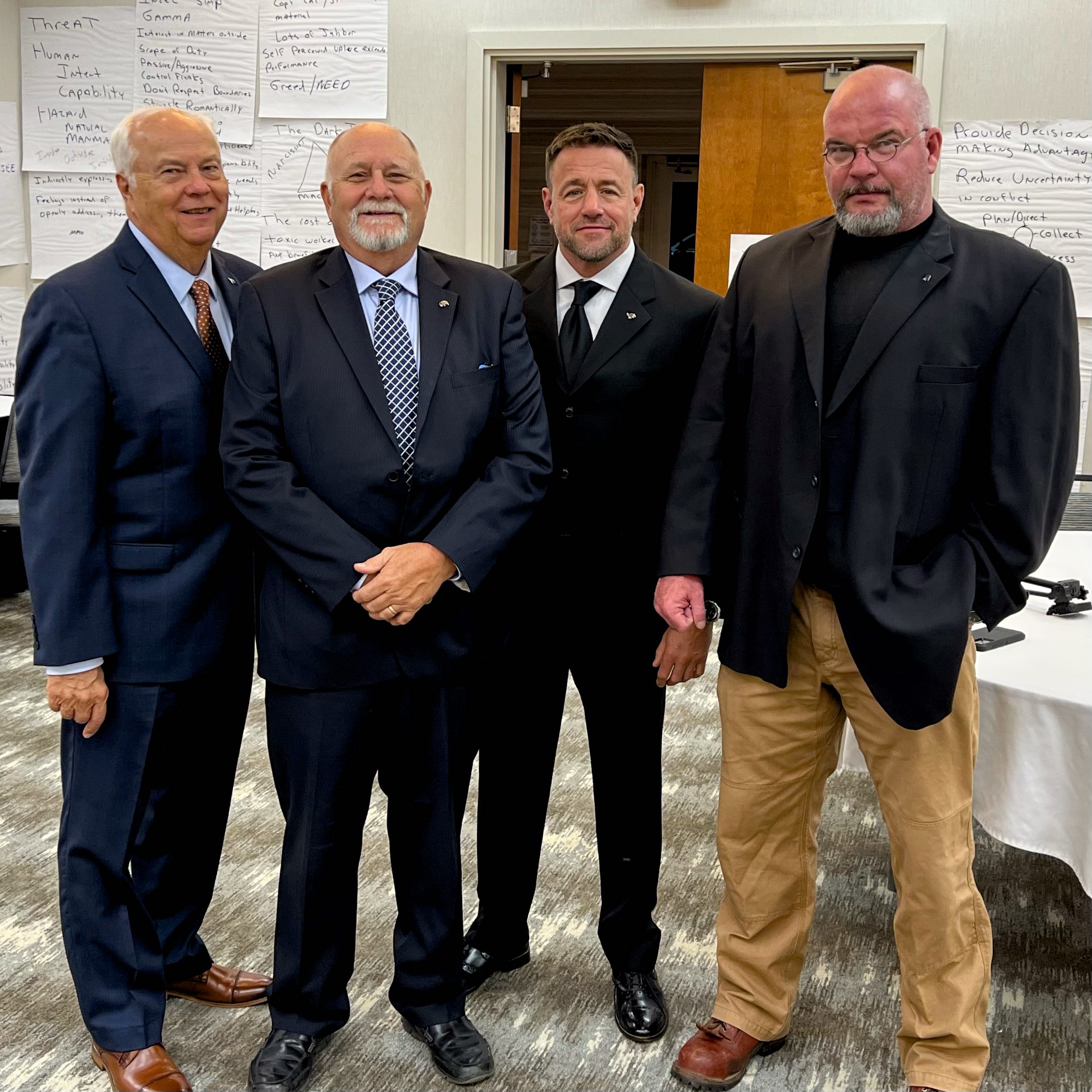
The teachers, systems, and methods represented on this page are part of an ongoing practice—not a completed chapter.
Alan continues to train with mentors, explore unfamiliar disciplines, pressure-test ideas, refine his teaching, and pass forward what proves useful. The commitment remains the same: stay a student, honor the source, and continue the work.