Day One at the CSW World Conference: Training, History, and Lockdown Half Guard Details
Day one of the CSW World Conference was packed from the start. I had already been in town training throughout the week, but this was the main reason for the …

Day one of the CSW World Conference was packed from the start. I had already been in town training throughout the week, but this was the main reason for the …

When we teach submissions from side control, the first two attacks many students learn are the Americana and the Kimura. They are common techniques. Most grapplers have seen them. Many …

At our annual Brazilian Jiu-Jitsu conference, we spent time working on one of the most important areas of grappling development: the mechanics of control. Submissions are exciting. They are what …

During a recent trip to Orange County, California, for the CSW World Conference, I had the opportunity to spend some private training time with Sensei Erik Paulson. In this session, we explored a series of highly effective shin locks and lower-body submissions while discussing the concepts, transitions, and details that make them work at a high level. This experience was a reminder that no matter how long you’ve been training, there is always something new to learn from great coaches and dedicated practitioners.

Fresh back from another outstanding week at the Executive Protection Institute, I had the opportunity to teach Protection Response Tactics®, work with an exceptional group of future protection professionals, and spend several days on the range during EPI’s Personal Pistol Course. This trip was especially productive as I introduced new material into the PRT curriculum, captured valuable video content for future YouTube projects, and was honored to be invited to join the EPI instructional staff as a firearms instructor. It was a week filled with learning, teaching, professional development, and exciting opportunities for the future.

In this seminar highlight, Sifu Alan Baker breaks down the backdoor escape and explains why some grappling habits can become a liability in more hostile environments. This is not just about escaping bottom position. It is about understanding posture, access, movement, awareness, and why staying flat can cost you when the environment changes.
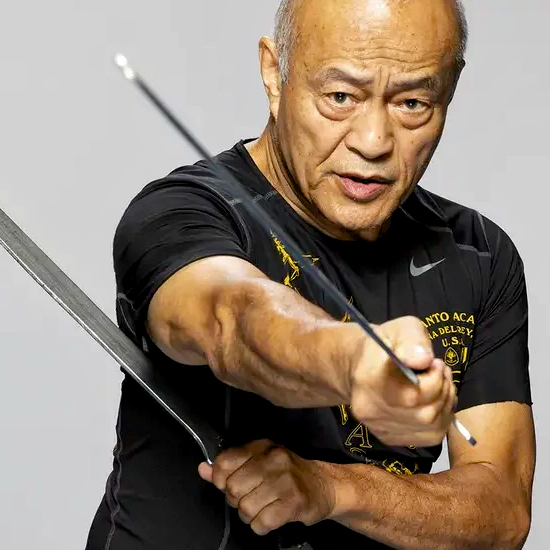
As human beings, we have enormous potential, but one of the greatest limitations placed on that potential is our perspective. Whether we realize it or not, we are constantly drawing conclusions based on our background, ourexperiences, our conditioning, and the things we have been exposed to throughout life. This happens automatically. It is one of the natural functions of the mind. We compare, categorize, interpret, and
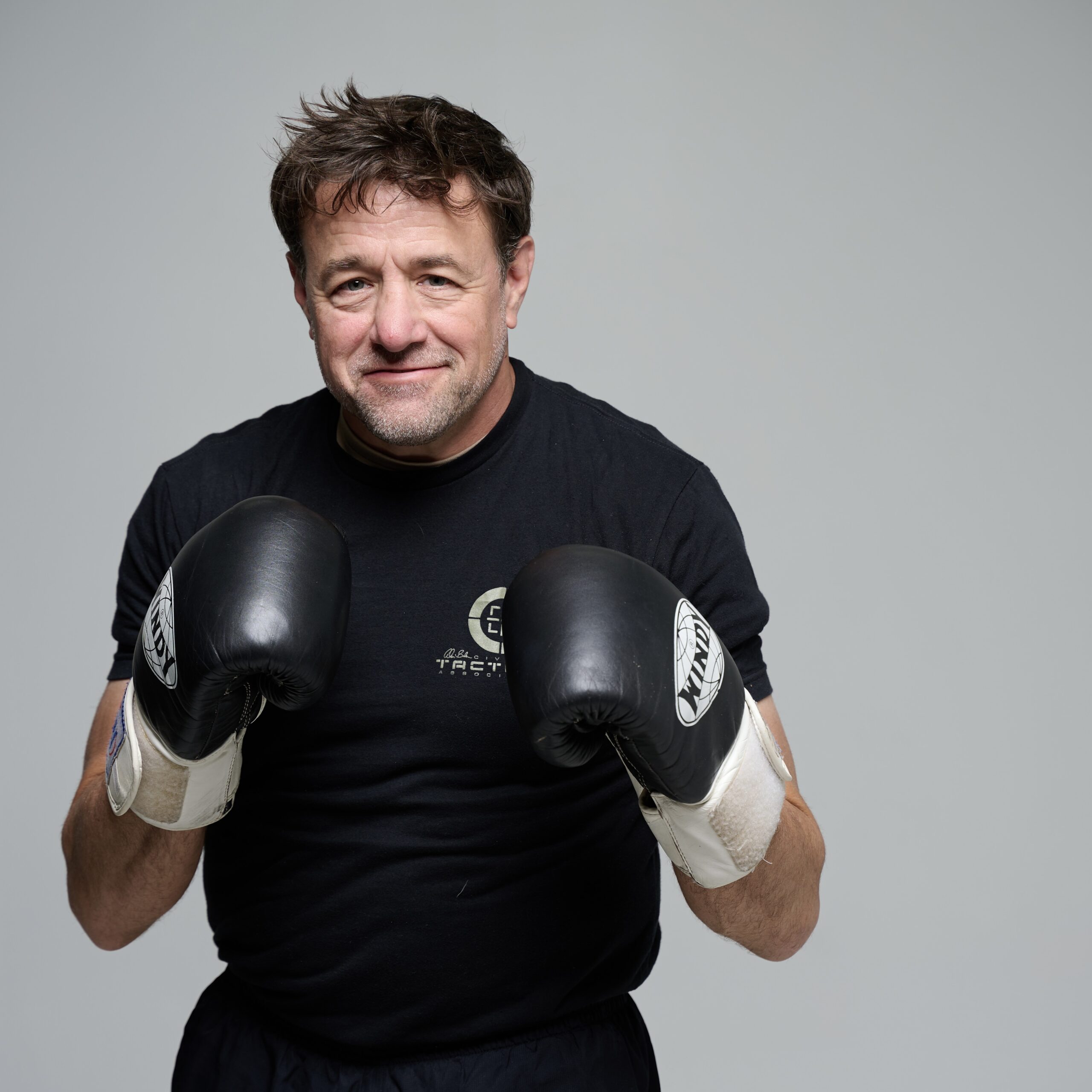
I talk about developing timeless tools all the time, because I’ve watched the same story play out for decades. A student starts training, gets excited, gets strong, gets fast, learns a pile of techniques, and for a while, they feel unstoppable. Then life shows up. Mileage shows up. Injuries show up. Stress shows up. Work, family, travel, responsibility, time under tension in the real world. Somewhere down the road that same student starts saying the sentence that makes my eye twitch: “I’m just not what I used to be.”
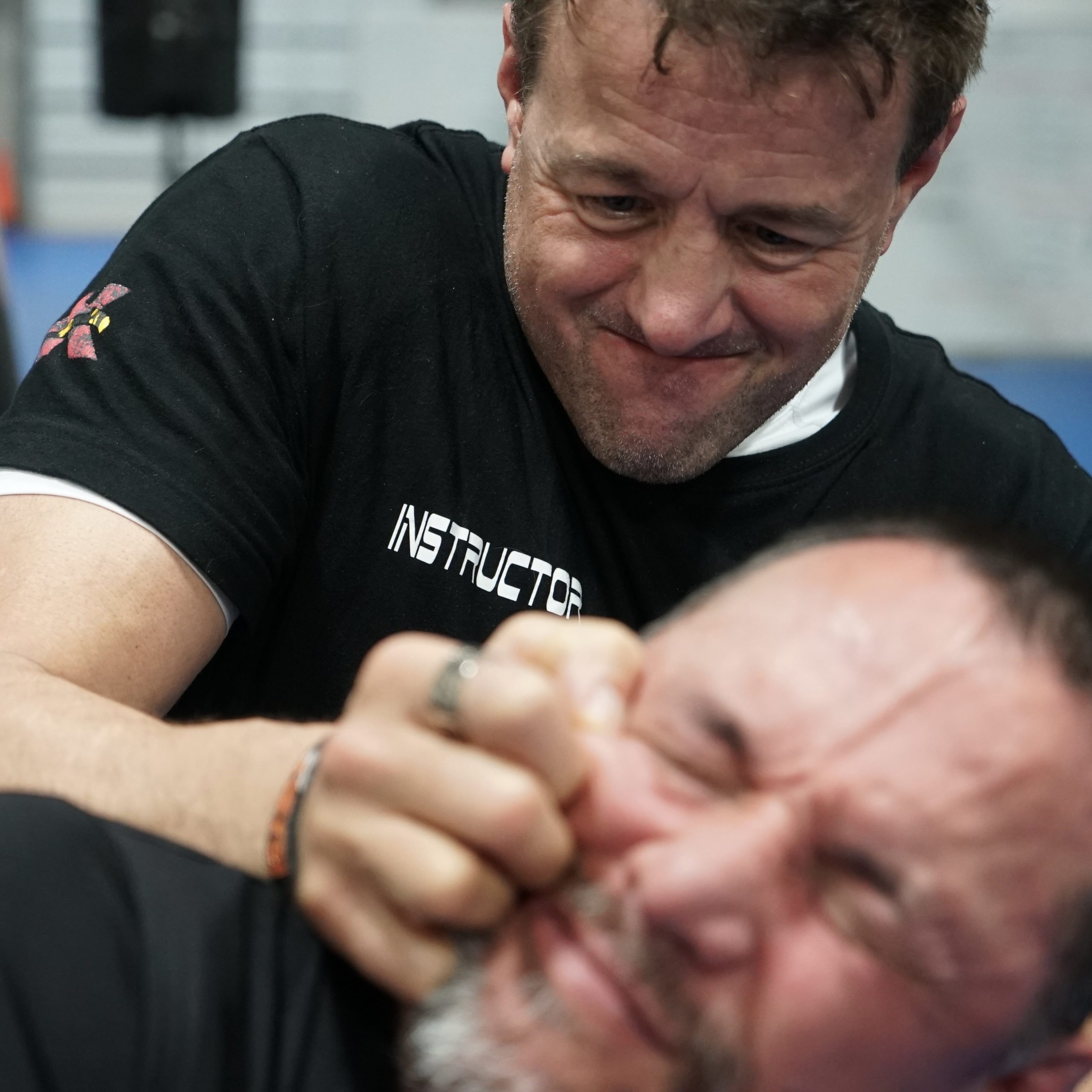
When people watch high-level performers, they often ask some version of the same question: “How do you just flip that switch?” One moment, you are relaxed, laughing, talking with friends. The next moment, your posture changes, your eyes harden, your breathing drops, and your whole presence shifts into a different gear. From the outside, it looks like magic. It is not magic. It is training.
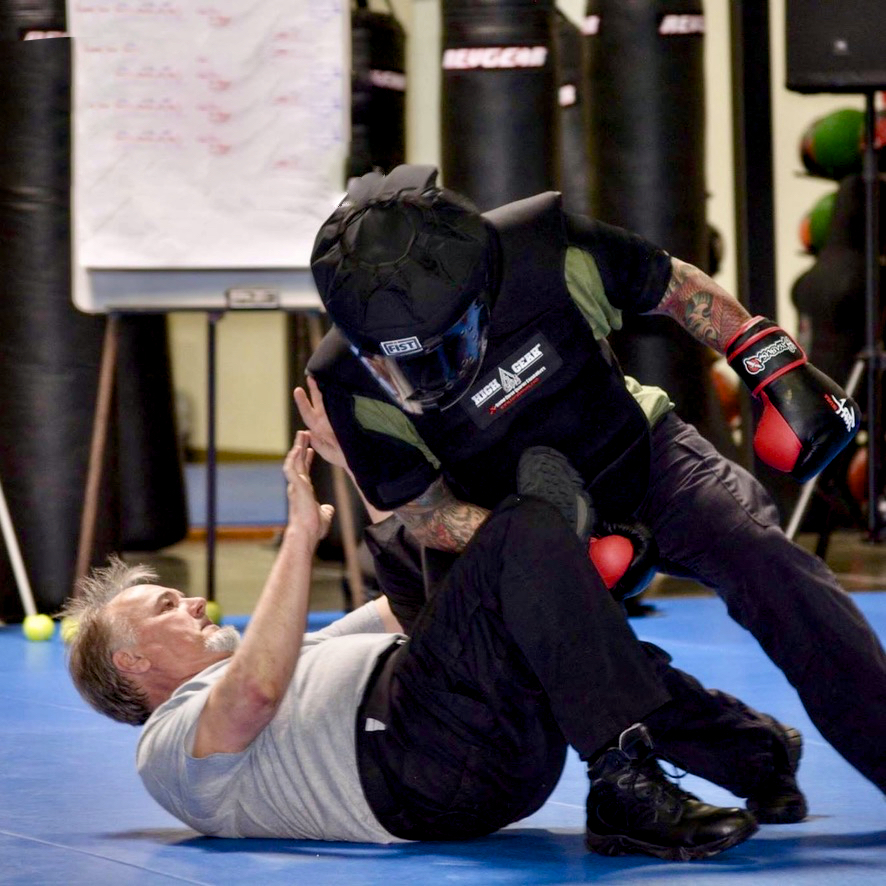
You can spend years training in a traditional martial art, earn rank, move beautifully in forms, flow through drills, and even do well in sparring, yet still be completely unprepared for real violence. That is uncomfortable to admit, especially if you have invested a big part of your life in your art. But if you care about protecting yourself, your family, or the people you are responsible for, you have to be willing to look at some hard truths. Being good at your art is not the same thing as being prepared for chaos.