
Sifu Journal · Field Notes · Executive Protection Institute
Knowing a Technique Isn’t the Same as Being Able to Use It
What returning to the student’s seat reminded me about training, teaching, and developing capability.
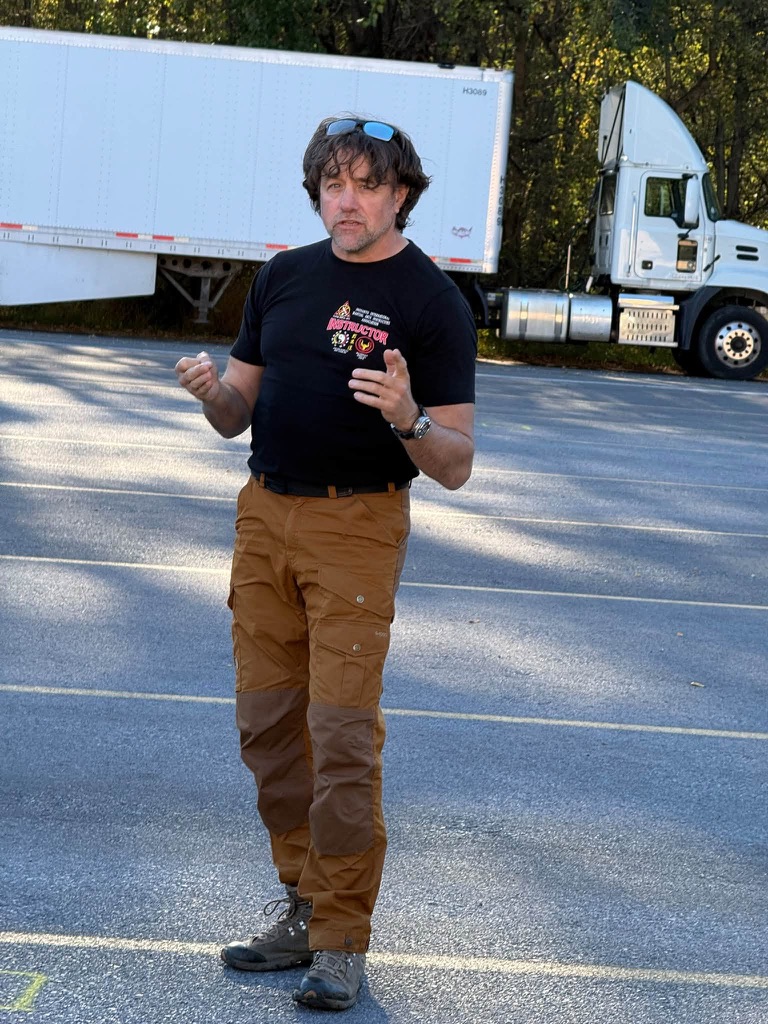
I recently spent more than two weeks at the Executive Protection Institute, teaching and training. As part of the instructor staff, I have the opportunity to make this trip every six months, working in Virginia and West Virginia and teaching the Protection Response Tactics program.
Most of the time, my attention is on teaching. This trip gave me more opportunities to step into the classroom alongside the students and participate in the training myself.
That was valuable for a reason I did not fully appreciate until I was doing it. It gave me an opportunity to examine what my own training had been producing.
01 · Practice and feedback
Your Training Needs an Honest Check
I spend a considerable amount of time training on my own, working across the defensive tactics and martial arts environments I teach. Coach Dennis and I rent a range once a month and spend the day working on our firearms skills. I have also been investing more time in driving. Shortly before this trip, Jennifer and I spent a week in the Poconos training with the Vehicle Dynamics Institute team.
Sometimes I get so focused on that work that months pass with my head down. I am putting in the hours, examining details, and working toward improvement.
I have written before about the Combat Blueprint and the importance of developing proficiency across the fundamental environments we teach. I use that framework to help direct my own practice and identify areas that need attention.
But eventually, the work needs to be examined outside the routine in which you developed it.
This trip gave me that opportunity. I was able to step into the exercises with the students and get a clearer look at what had improved and what still needed work. I was pleased to recognize progress.
It also reinforced something I believe every student needs to understand: knowing a technique, practicing it a few times, and being able to apply it are different stages of learning.
From instruction to application
Knowing a technique, practicing it a few times, and being able to apply it are different stages of learning.
What Happens After Class Matters
A class gives you access to information, instruction, and feedback. What you do with that experience afterward has a great deal to do with how far you develop.
If you leave remembering a movement but have no understanding of how to practice it, recognize mistakes, or evaluate your progress, an important part of your education is missing.
This is why I place so much emphasis on having an educational process.
When you train with us, I want you to understand what you are working on, why it matters, and how to continue developing it. I want you to leave with better questions and a clearer way of thinking about your practice.
That change in perspective matters. It gives you something you can carry into your own training long after the class ends.
I depend on that process myself. Much of my development happens between opportunities to work with my teachers. I have to take responsibility for the quality of that work, then return willing to have it examined and corrected.
02 · The educator’s responsibility
Teaching Is a Skill You Have to Develop
We often hear that being able to do something well does not necessarily mean you can teach it well. I agree.
Teaching requires its own education and deliberate practice. In my opinion, we should pursue the ability to teach with the same seriousness we bring to developing our physical skills.
An instructor needs to understand how to explain a concept, organize practice, recognize confusion, and provide feedback a student can use. They also need to recognize when their explanation is failing and find another way to help the person in front of them.
Years of experience can contribute to that ability, but time alone does not establish it.
I have seen people move into teaching positions because they were experienced practitioners or had simply been around long enough to become the person others looked to. That transition can happen without much attention being given to whether they have learned how to educate.
We need to take that responsibility more seriously.
Students invest their time, money, and trust in us. We owe them a process that helps them develop, along with the honesty to recognize where our own teaching needs improvement.
Look Carefully at Who You Learn From
If you are choosing a training path, take time to investigate the people you are considering learning from.
Who taught them? What did they study? What credentials or rank have they earned, where those apply? Are those credentials relevant to what they are offering to teach you?
Then look into the people behind those credentials.
In martial arts, we often discuss lineage: the teachers and traditions through which knowledge has been passed down. That history can help you understand an instructor’s background and the work behind it. A meaningful background can represent decades of study, discipline, correction, and commitment.
It deserves more attention than a vague statement about how many years someone has been involved.
At the same time, a strong lineage or impressive résumé does not answer every question. You still need to examine how that person teaches.
Can they explain their approach clearly? Do they welcome reasonable questions? Do they give useful feedback? Can they help you understand how to practice when you are away from them?
Look for both a credible background and evidence of thoughtful teaching.
03 · Take responsibility for the next session
Leave With a Way to Keep Learning
This brings us back to the difference between knowing something and being able to use it.
Seeing a technique and repeating it in class is a beginning. Developing it requires continued practice, feedback, and opportunities to examine your understanding under changing conditions.
A course should help prepare you for that work. You should leave with information and a way to think about it. You should have some understanding of how to organize your own practice and what to bring back to your instructor for further guidance.
This is something we emphasize in Protection Response Tactics and C-Tac. The educational process matters because students need to continue developing after their time with us ends.
My recent trip to EPI gave me a useful reminder of that responsibility, both as a teacher and as a student.
Take an honest look at your own training. What has improved? How do you know? What still needs attention?
And when you leave your next class, ask yourself whether you have learned how to continue the work.
That is an important part of turning instruction into capability.
Bring three questions to your next training session:
What has improved?
How do I know?
What still needs attention?
Continue your education
Keep Developing Between Training Sessions
If this article has you looking more closely at your own training, take the next step. Explore the learning opportunities available through The Capable Academy and continue building on the work you do with your instructors.
Bring your questions, examine your approach, and keep developing the skills you want to rely on.
Explore The Capable Academy