
Judgment in Martial Arts:
Are You Training It?
Why observation, timing, and decision-making deserve deliberate attention in your training.
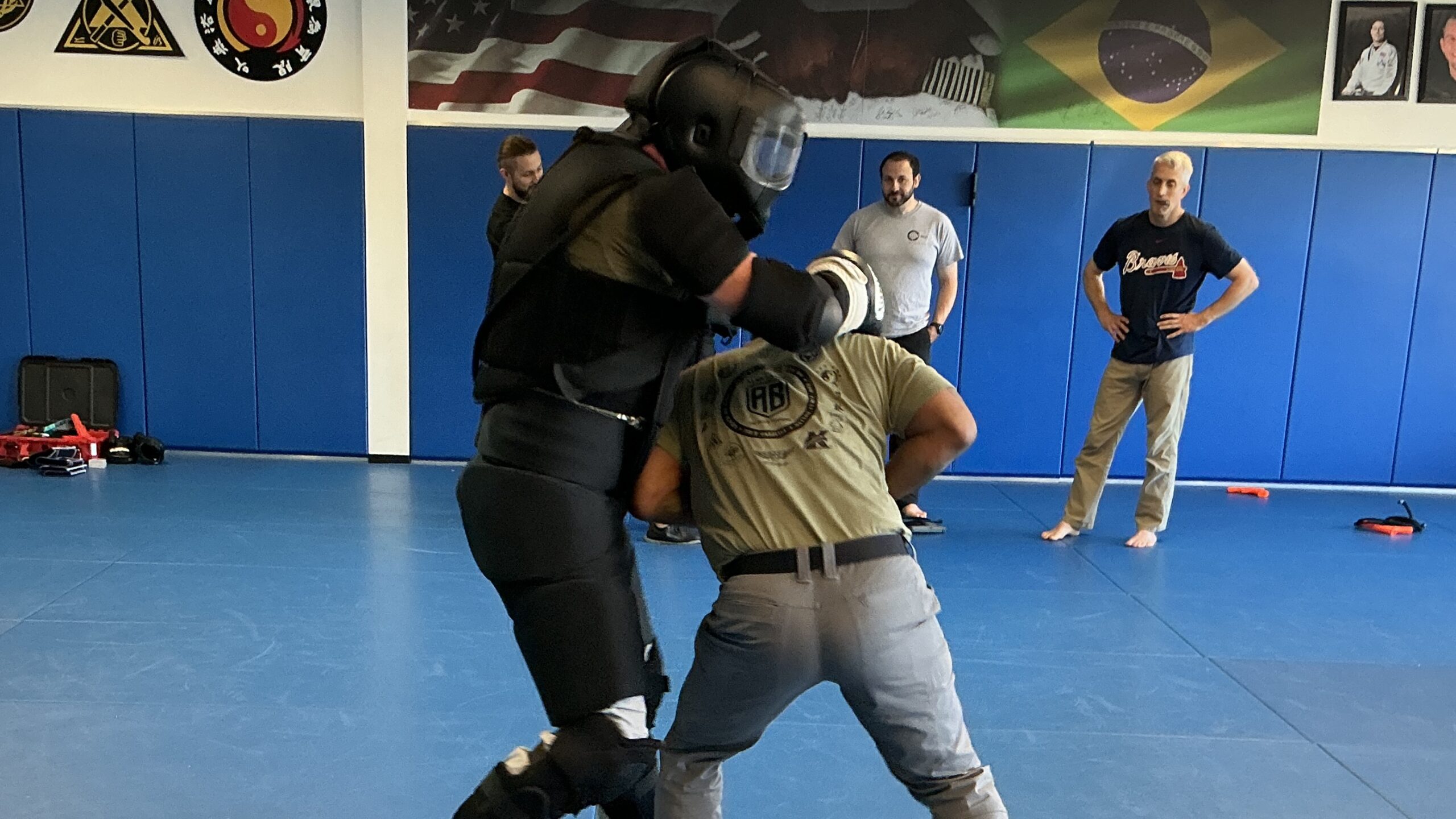
You can know the technique, have the physical ability to perform it, and still make a poor decision about when to use it.
That is why decision-making in martial arts deserves deliberate attention. What did you see? What did you think it meant? Why did you choose that response?
If your training does not ask those questions, I believe it should.
We spend considerable time developing movement, mechanics, strength, endurance, and the ability to perform under pressure. Those qualities deserve attention. We need a body that can carry out what we ask of it.
We also need to examine what is directing that body.
Why Decision-Making Belongs in Martial Arts Training
Judgment sits between what you know and what you do. It allows you to recognize what matters, understand your available options, and choose an action that fits the objective and the conditions in front of you.
It also includes recognizing when to wait, when to change direction, and when to stop.
We cannot simply assume this ability will develop because someone has spent enough years repeating techniques. We need to give it deliberate attention and create opportunities to practice it.
A student should learn to explain what guided a decision. An instructor should be able to identify whether the difficulty came from observation, understanding, choice, or execution.
That gives both people something specific to work on.
The Final Mistake Is Often Not the First Mistake
Consider a student who is consistently late during a drill. The visible problem is that the technique does not arrive in time. The correction might be to move faster or commit more strongly.
Before giving that correction, I want to know why the student was late.
Did they see the relevant cue? Did they understand it? Were they waiting for something more obvious before making a decision? Had their position already removed the option they were trying to use?
Each answer points toward a different training need. Asking for more speed may accomplish very little if the student does not understand what information should begin the response.
The final mistake is often not the first mistake.
As instructors, we need to trace the problem back far enough to find something we can actually correct. As students, we need to look beyond the technique that failed and examine the decisions that led us there.
If we keep correcting the last visible mistake, we may leave the original problem untouched.
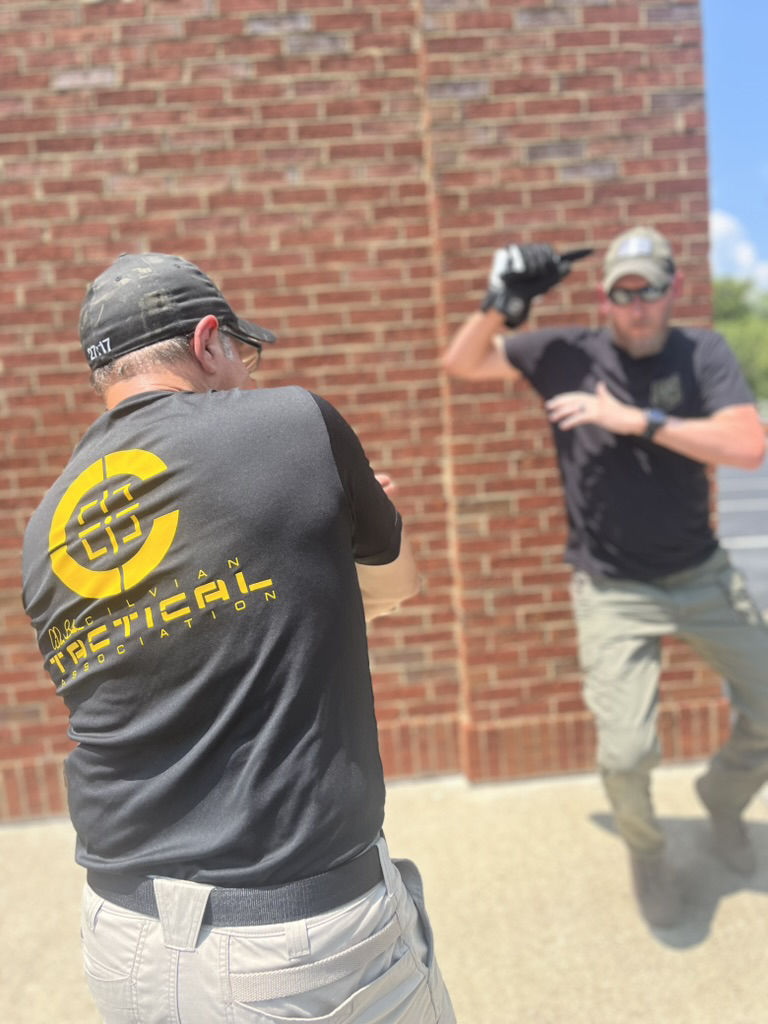
Learn to Notice What Matters
Having your eyes open does not mean you are collecting useful information.
You can become so occupied with completing a movement that you stop noticing what your partner is doing. You can focus on one part of a problem and lose track of distance, available space, or a change that makes your original plan inappropriate.
This is where situational awareness in martial arts needs to become a practical training concern. Telling someone to pay attention gives them very little direction. We should help them understand what deserves their attention and why.
A useful question during training is, “What did you notice?”
The answer can reveal more than another repetition. If the student cannot identify what they were responding to, we have found something worth developing.
In Ahead of Time, I discuss the importance of recognizing useful information early enough to preserve options. That same consideration belongs inside everyday practice.
Pattern recognition supports this process. Students begin connecting changes in movement, distance, pressure, and posture to the problem they are trying to solve.
Those relationships provide information. They do not create certainty.
A single cue does not tell you everything about another person’s intentions. You must remain willing to revise your understanding. If you become attached to your first interpretation, you may stop noticing the information that should change your decision.
Position and Timing Shape Your Options
Where you stand changes what you can see, what you can reach, and where you can move. It influences how much time you have and which options remain available.
Sometimes a student appears to have a technical problem when they have a placement problem. They are trying to make a technique work from a position that makes it difficult or inappropriate.
More effort may get them through the repetition. It may also hide the lesson they needed.
Ask yourself what your position allows. Ask what it takes away. Then consider where you could have been one moment earlier.
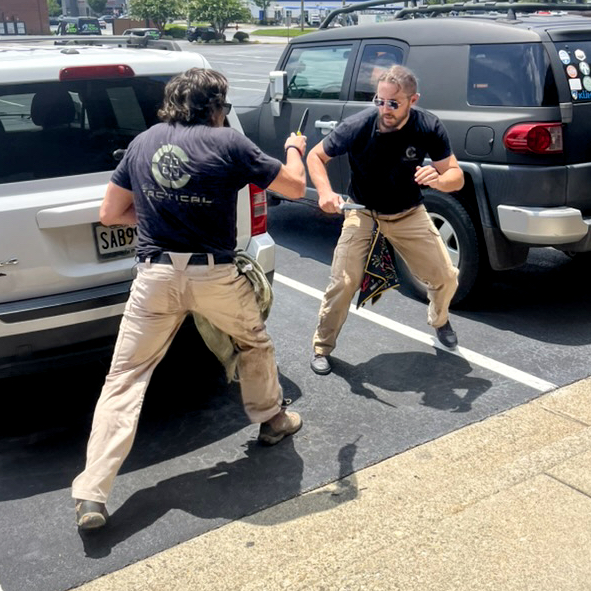
Timing deserves the same attention.
You can move quickly and still act too soon, too late, or continue after the reason for acting has changed. Acting early only helps when the action fits the situation. Sometimes you need to wait for clearer information.
During a drill, you should be able to identify what told you to begin. You should also recognize what would tell you to change or stop.
That last part matters. Being able to begin an action is only part of control. You also need the ability to adjust it.
Developing Judgment Under Pressure
A drill that tells you exactly what will happen and exactly how to respond can serve a useful purpose. It gives you room to learn mechanics and develop control.
At some point, your training also needs to ask you to recognize which response fits changing conditions.
Start with a manageable choice. Change the distance, timing, position, or objective. Give the student an opportunity to recognize the difference and explain how it affects the available options.
Then build from there.
Decision-making under pressure should develop through a progression the student can learn from. If the conditions become so difficult that the student cannot observe, choose, or understand the correction, the instructor needs to adjust the task.
Difficulty alone does not tell us whether learning is taking place. I explore this further in Stress Is a Programmer, where the central concern is what our training conditions are actually reinforcing.

Examine the Decision Behind the Result
A successful repetition can conceal a poor decision. Perhaps your partner compensated for your mistake, or the drill allowed an action that would not fit a different context.
An unsuccessful repetition can also contain a reasonable decision that needs better execution.
We need to examine both the choice and the performance.
After a repetition, ask what the student was trying to accomplish, what they noticed, and why they chose that option. Then examine what happened after they acted.
This connects physical practice to understanding. It also gives the instructor a more useful starting point than simply declaring that the technique worked or failed.
The willingness to reconsider a familiar answer matters here. In When the Fundamentals Have to Change, I describe how an adjustment in my own practice became a lesson in observation, feedback, and continued refinement.
Experience should make us better at asking those questions.
Look Honestly at Your Training
For anyone developing judgment for self-defense, these considerations carry particular weight. Your decisions need to account for the objective, the environment, other people, and the consequences of your actions.
Your training should include recognizing whether action remains necessary after circumstances change.
Physical ability gives you options. Judgment helps you choose responsibly among them.
You do not need to interrupt every repetition with a lengthy discussion. You do need opportunities to examine the thinking behind your performance.
Take an honest look at your practice. Are you learning to recognize the problem? Can you explain what guides your choices? Do your drills give you opportunities to adjust and reassess?
If those questions are missing, start bringing them into the room.
Keep developing your physical skills. Alongside them, develop the ability to see clearly, understand what is happening, and choose an appropriate course of action.
If judgment has not been a deliberate part of your training, it is time to give it a place.
Shift Your Perspective, Take Action, And Create Change


Sifu Alan Baker
Alan Baker is an internationally recognized martial arts, defensive tactics, self-protection, physical culture, and self-leadership instructor. For more than 45 years, he has studied, trained, and taught students, instructors, law enforcement personnel, executive protection professionals, and martial artists around the world.
He created C-Tac to bridge martial arts, defensive tactics, preparedness, personal protection, and intelligent decision-making into one responsible civilian training system.
Learn More About Alan