
The Gap Between Knowing and Doing: How Capability Is Built
Information matters. But how do we turn what we learn into something we can use, adapt, and continue to develop?
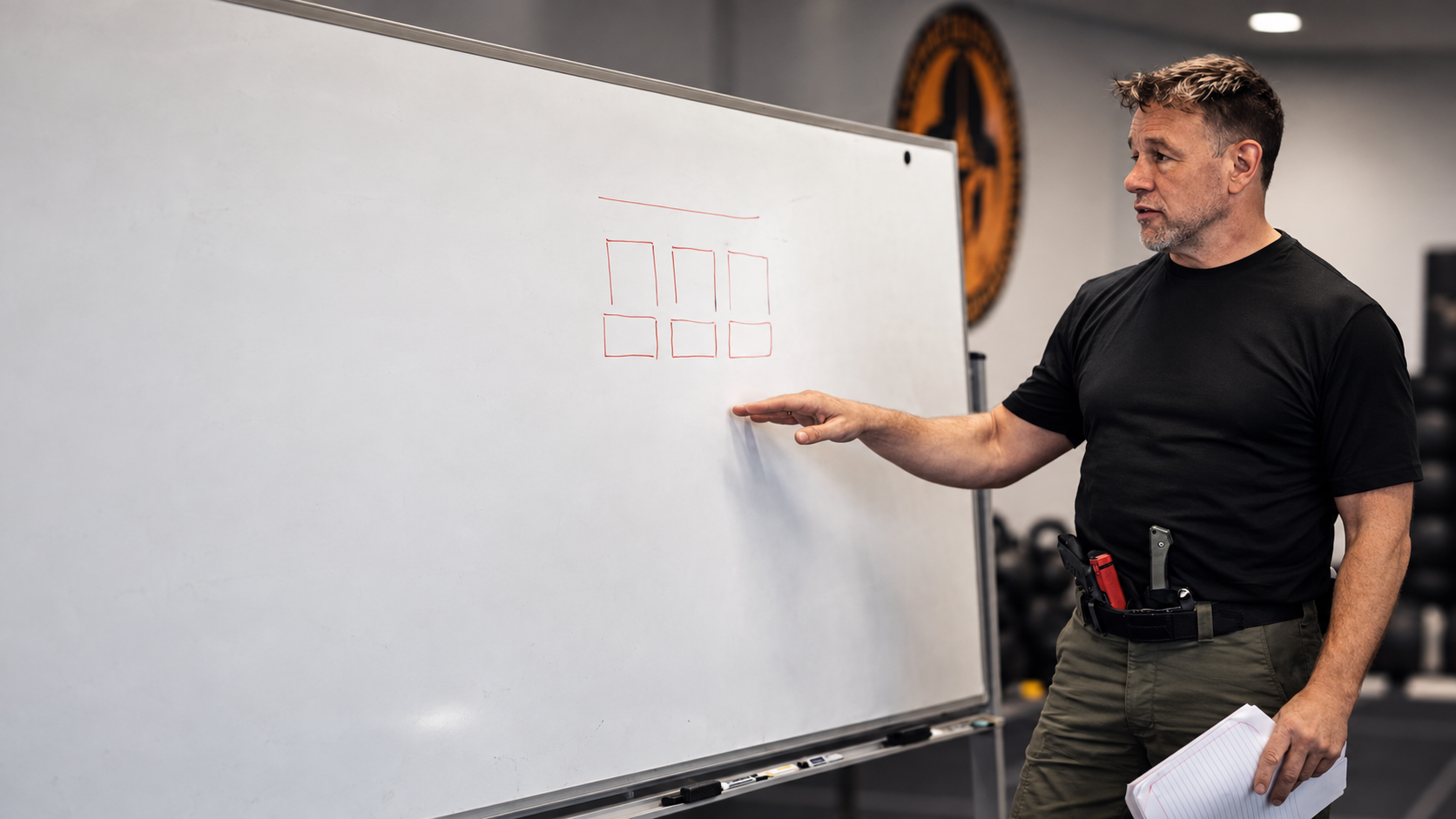
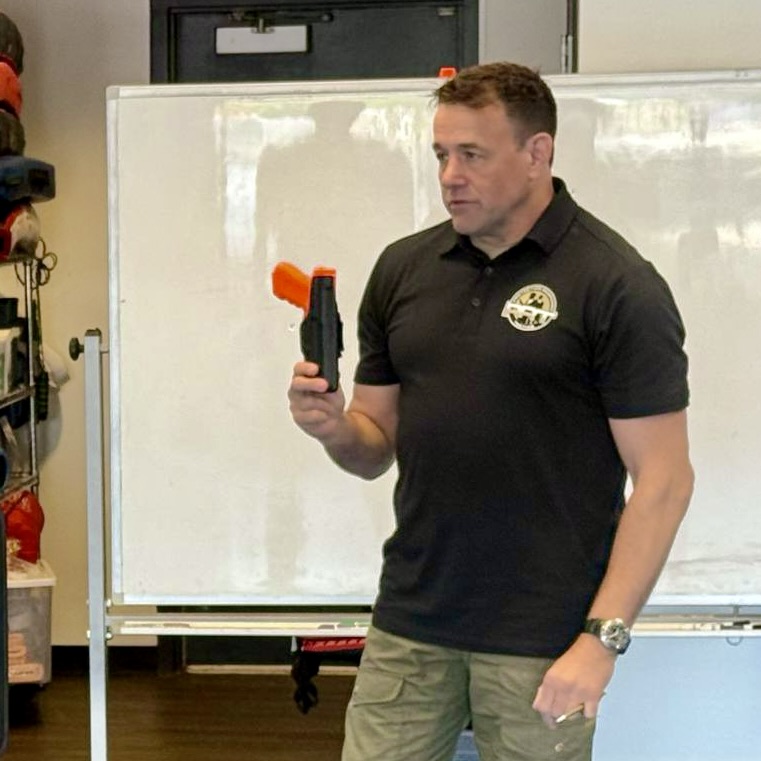
Recently, I spent a week training a corporate protection team at one of the largest companies in the United States. I have been doing more of this work lately, helping protection teams from some of the country’s largest organizations prepare for the demands of their roles.
I can’t identify the company, and the name isn’t the point. These experiences bring me back to a question at the center of everything I teach: How do we turn information and training into capability?
That question matters in martial arts, leadership, physical culture, instructor development, and any environment where people need to learn, make decisions, and act responsibly.
Knowing the Information Is Only the Beginning
You can read about a subject, understand an explanation, and remember what you were taught. Those things matter. But they do not automatically mean you can use what you know.
There is a difference between recognizing an idea and applying it. There is a difference between performing a movement under familiar conditions and adapting it when the conditions change.
A student may know the steps of a technique and still struggle to adapt it to a different partner or position. Someone may understand the value of strength, mobility, and breath without organizing those ideas into a sustainable practice. A leader may know what good leadership looks like and still have difficulty applying it when a difficult decision arrives.
The gap between knowing and doing is where education has to work.
Capability Needs an Organized Process
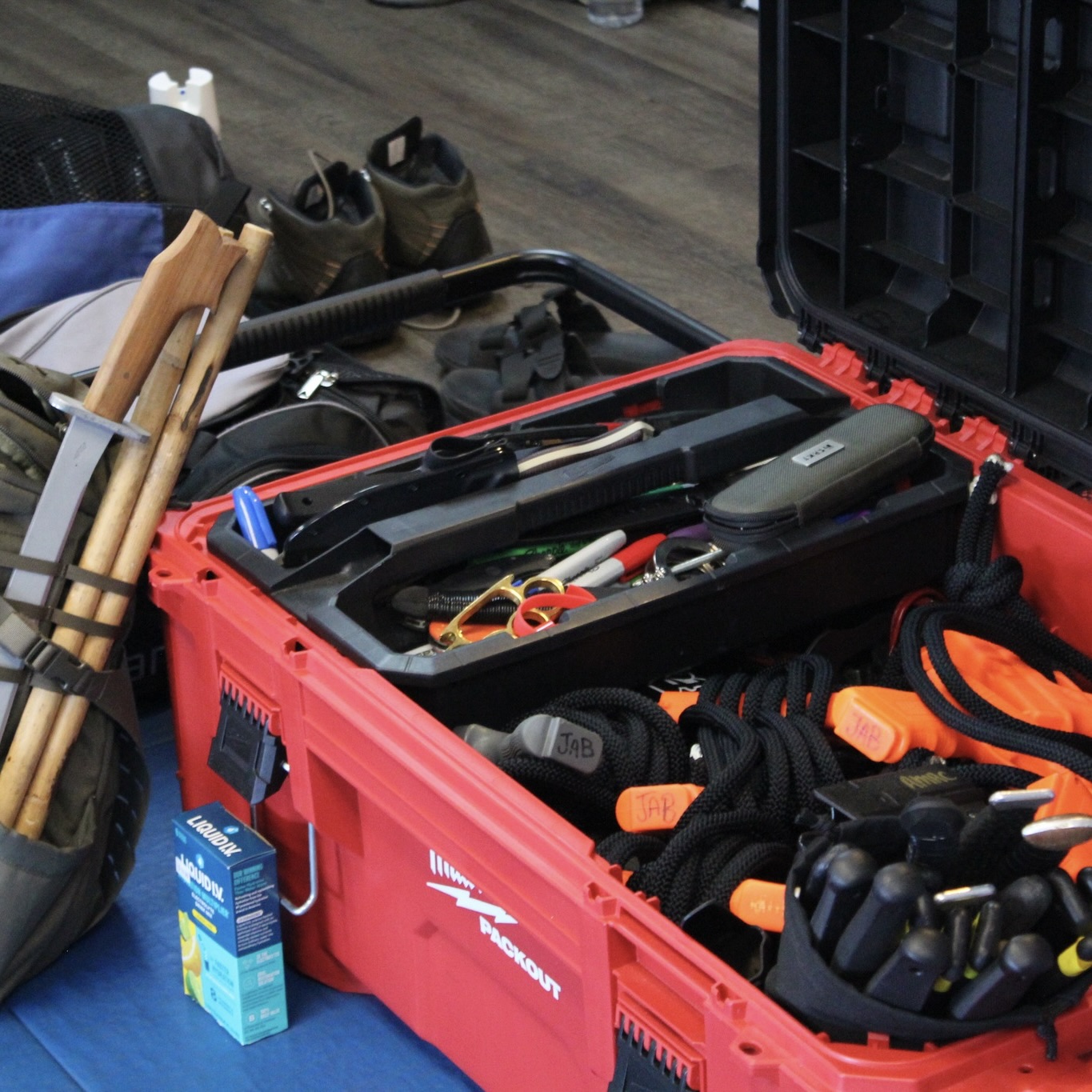
I have spent much of my life studying different disciplines and trying to understand how knowledge can be taught, practiced, and used. One lesson keeps returning: people need more than information. They need a process that helps them make sense of it.
That is why we use thought tools and outlines in C-Tac. When we are processing information, building a training plan, or developing a curriculum, those tools help us slow down and ask better questions.
An outline is not simply a list of things to cover. A good outline helps us see the relationships between ideas. It lets us examine the purpose, sequence, and progression of learning. Without that structure, we can collect techniques, facts, or activities without knowing whether they are moving the learner toward greater capability.
Practice Must Do More Than Look Successful
A smooth repetition can feel like progress. It may be progress, but performance during practice does not always tell us what a learner will retain or whether a skill will transfer to a different situation. Motor-learning research distinguishes performance in practice from learning that lasts and transfers, while noting that results depend on the task and learner. This review of practice conditions and skill transfer offers one useful starting point.
We should not add difficulty just to make training look intense. We should understand what each practice task is intended to develop, then adjust the conditions so the learner has a meaningful opportunity to learn.
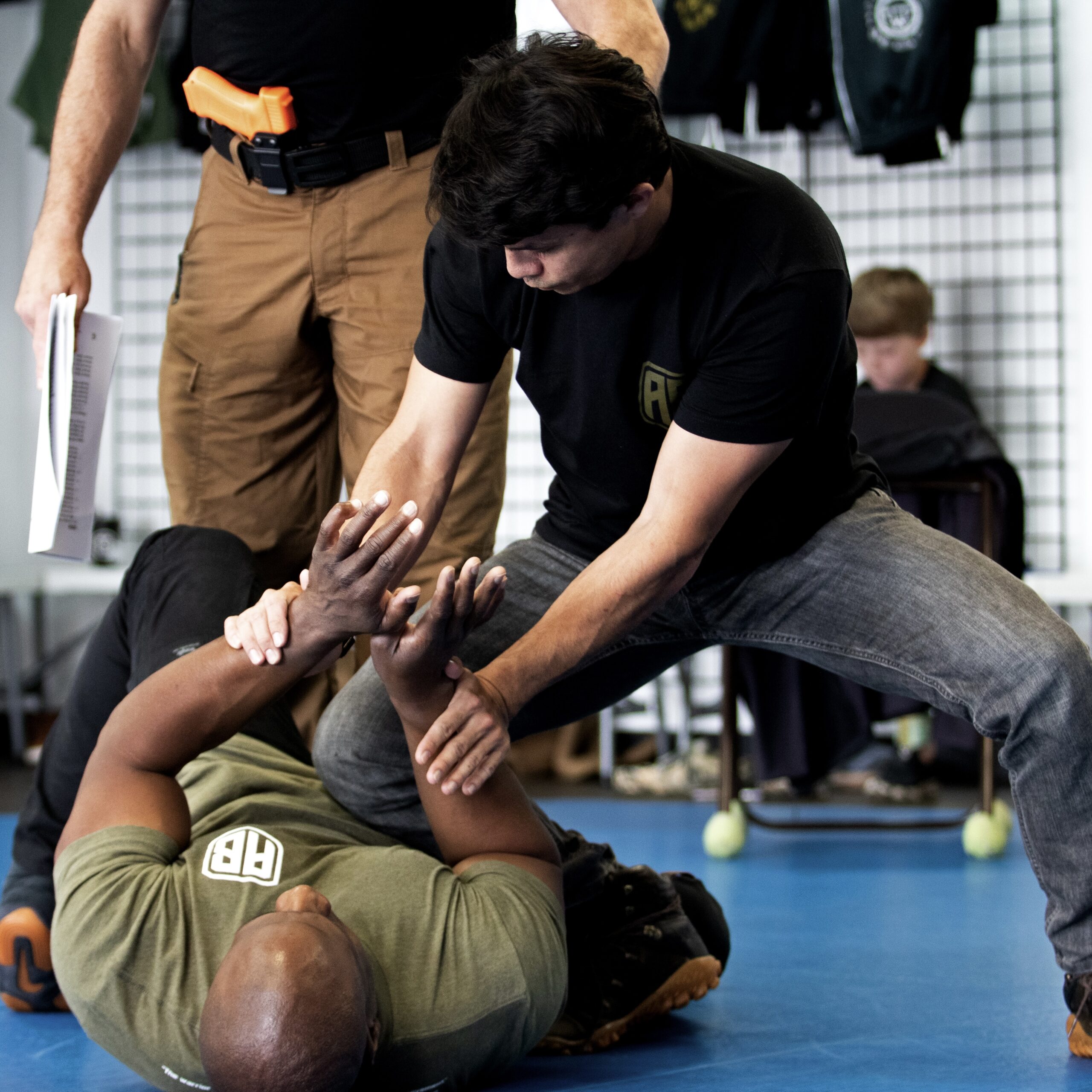
Sometimes we simplify a task so a person can understand the mechanics. Sometimes we add variation so the person can recognize what changes and what remains important. Sometimes we ask the learner to make a choice, explain it, and adapt as new information appears.
Those are different learning demands. They should be introduced in a thoughtful progression.
Changing the environment changes the problem the learner must solve. Practice can gradually bridge familiar drills to the wider conditions in which a skill may be needed.
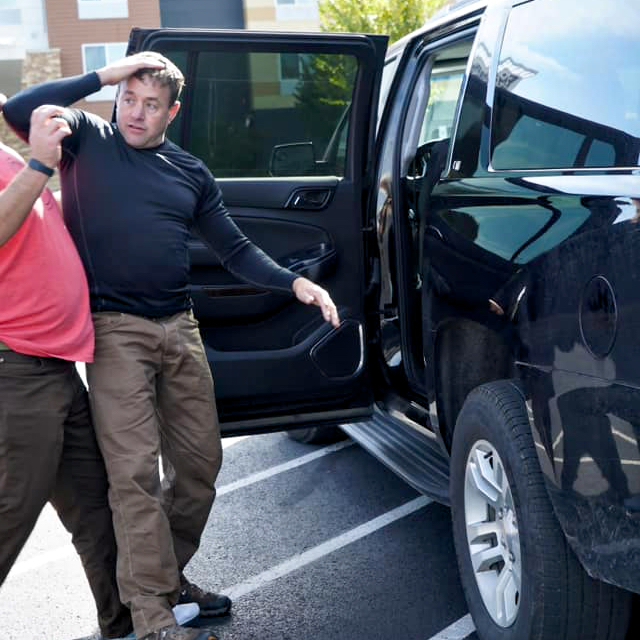
Read What Is Different
When the environment changes, the learner has to recognize what is different and adjust the plan.
Build the Bridge From Learning to Use
In professional protection, a team needs training that supports preparation, judgment, communication, and responsible action. In martial arts, a student needs more than the ability to reproduce a movement. In instructor development, a teacher needs to organize material so another person can learn it.
Across these settings, the goal is not simply to complete an exercise. The goal is to develop an ability that remains useful when circumstances are no longer identical.
Information creates understanding. Application creates capability.
Application does not mean rushing into the hardest possible test. It means connecting understanding to practice, using feedback to improve, and gradually helping the learner adapt. If a skill works only in one narrow setting, that tells us something worth examining.
Ask Better Questions About Your Training
Whether you are a student, instructor, coach, or leader, take a moment to look at how you are learning.
Understanding and Ability Grow Together
This is why I continue to value disciplined study and well-designed teaching. The instructor’s responsibility is not only to present material. It is to help create the conditions where a person can understand, practice, reflect, and grow.
The same responsibility belongs to the learner. We have to remain willing to question what we know, look at what we can actually do, and keep developing the connection between the two.
Capability does not appear all at once. It develops through study, structure, purposeful practice, feedback, and continued adjustment. It also takes the humility to recognize that understanding something and being able to use it are not yet the same thing.
What are you able to do with what you know?
Shift Your Perspective, Take Action, And Create Change

Alan Baker
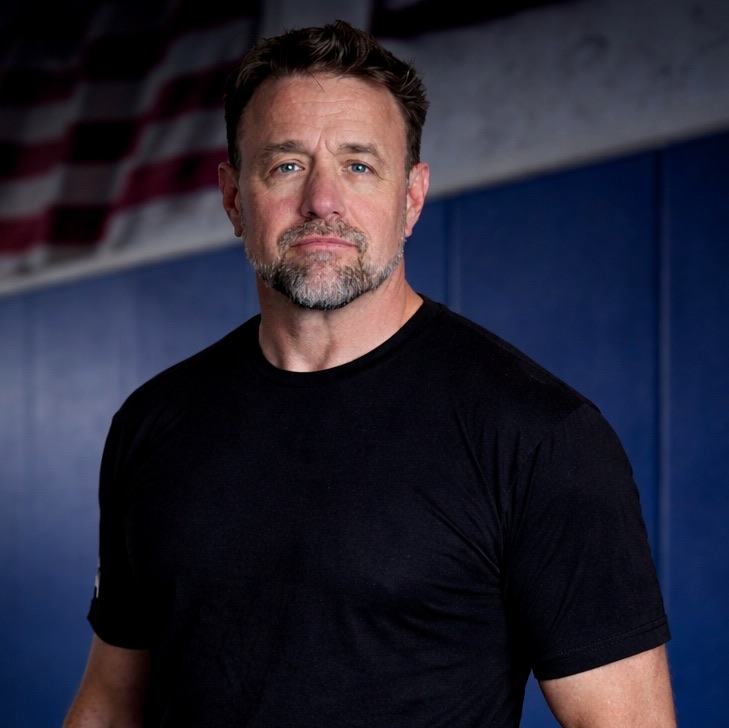
Alan Baker is an internationally recognized educator, author, and founder of The Capable Academy. For more than 47 years, he has studied, tested, and taught martial arts, defensive tactics, self-protection, physical culture, and self-leadership. His work has reached students, instructors, martial artists, law enforcement personnel, and executive protection professionals around the world.
Alan is the author of five books addressing self-leadership, physical culture, and self-defense. He has also worked as a professional protection agent and has served on the faculty of the Executive Protection Institute for nearly 20 years, helping educate and prepare protection professionals for the demands of the field.
He created the C-Tac System to close the gap between traditional martial arts and the realities of modern civilian protection. C-Tac integrates awareness, preparedness, communication, defensive skills, and intelligent decision-making within one responsible, capability-based training system.
Learn more about AlanTurn Learning Into Capability
Explore The Capable Academy and its learning environments for martial arts, self-protection, physical culture, and self-leadership.
Explore The Capable AcademyPut These Ideas Into Practice
C-Tac is one of the learning environments where I apply this education-first approach to civilian preparedness, self-protection, and continued development.
Explore the C-Tac Student University