
Keysi Fighting Method • Instructor Camp • Atlanta, Georgia
Keysi Fighting Method: Range, Weight, Wing Elbows, and Training The Body To Recognize The Moment
In this instructor camp lesson from Atlanta, Georgia, Sifu Alan Baker teaches Keysi Fighting Method concepts around range, weight alignment, winging elbows, hammer fists, leg positioning, and the ability to place the right tool in the right moment.
Video Guide
In This Video
- 00:00 Opening to The Warrior’s Path
- 00:24 Range adjustment and educator perspective
- 00:42 Wolf 3, head movement, and application timing
- 00:55 Wing elbow and hammer fist connection
- 01:53 Squashing the base and leg safety
- 02:38 Recognizing single and double weight alignments
- 03:00 Driving straight in, hooking, stomping, and finishing
- 03:46 Heavy leg recognition and active coaching
- 04:40 Lead hand entry and jab-based structure
- 05:03 Ram attack and wing elbow follow-up
- 06:17 Feeling weight transfer through contact
- 06:36 Training the calf and building precision
- 07:00 Closing repetitions and power development
Media Description
Teaching Keysi At Instructor Camp
This video was filmed during a Keysi Fighting Method instructor camp in Atlanta, Georgia. In the clip, I am teaching a section of material connected to range adjustment, winging elbows, hammer fists, leg positioning, weight alignment, and how the body learns to recognize opportunity in motion.
Keysi is not a sport-based system organized around clean distance, fixed rules, or predictable exchanges. It is an urban self-protection method that emphasizes instinctive protective movement, adaptability, close-quarter problem solving, environmental awareness, and the ability to respond under pressure.
The material in this video is not simply about learning a combination. It is about understanding how one action creates the next opportunity. The head movement, elbow, hammer fist, leg position, base disruption, and follow-up all connect through timing, pressure, and range.
That is why instructor camps are so important. The camp environment gives students and instructor candidates the chance to feel the material, receive correction, test timing, understand the details, and develop the method through direct training.
The goal is not to memorize motion. The goal is to recognize the moment and place the right tool where it belongs.
Capability Academy PrincipleWhat Is Keysi Fighting Method?
Keysi Fighting Method is a Spanish urban self-protection method built around instinct, adaptability, protective movement, and personal growth.
It is designed for the unpredictable nature of real-world conflict, where distance changes quickly, the environment matters, and the student must learn how to protect themselves while moving decisively.
At the center of the method is the development of instinctive action under pressure. Students learn to use protective structures, close-quarter movement, awareness, problem solving, and adaptability to respond to changing situations.
Keysi is also a path of personal development. The training challenges students to become more aware, more disciplined, more adaptable, and more capable through serious practice.
Inside The U.S. Keysi Instructor Program
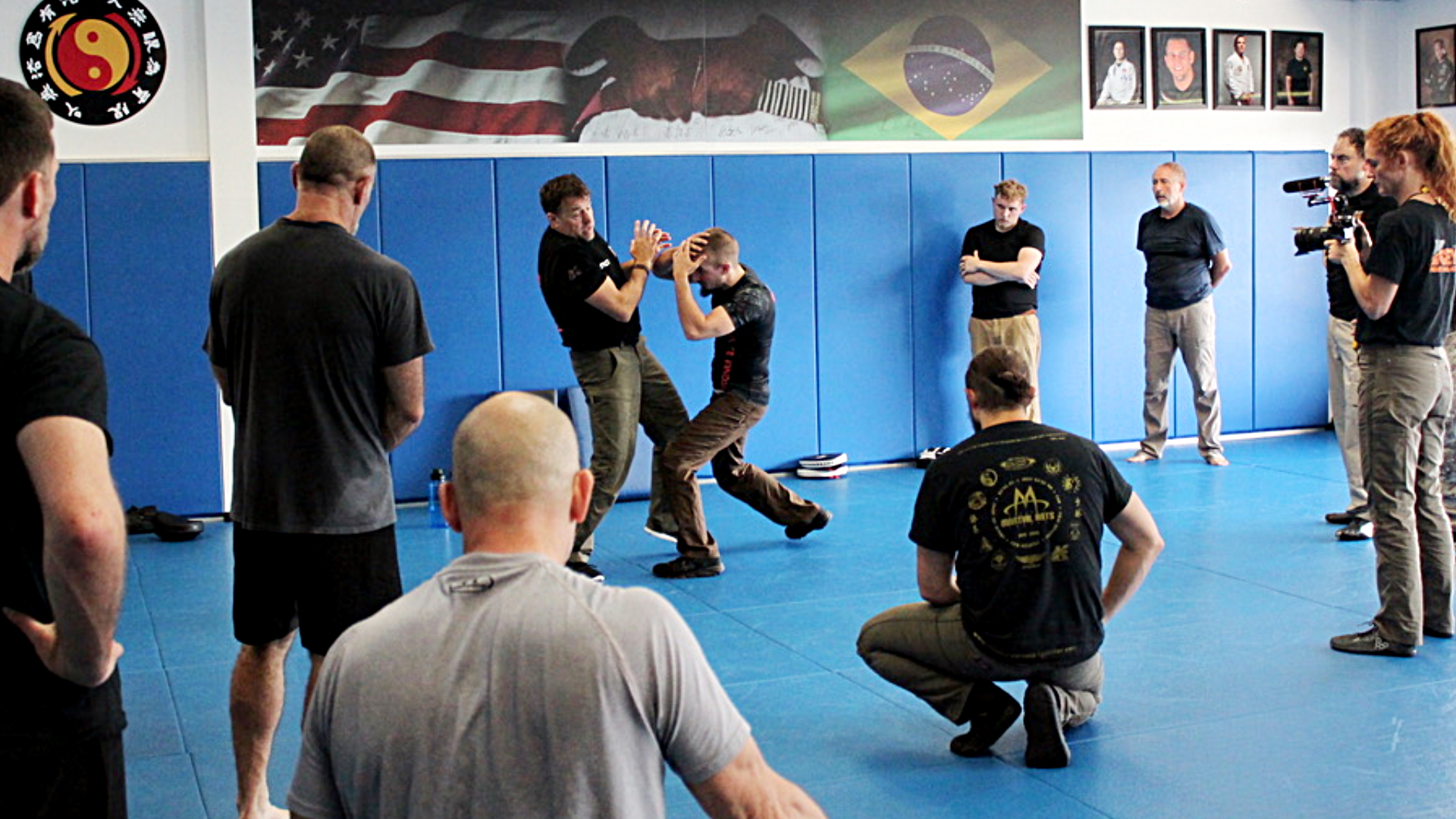
Sifu Alan Baker teaching Keysi Fighting Method at a U.S. instructor training camp. The instructor path is built around direct coaching, correction, progression, and demonstrated understanding.
I serve as the U.S. Director for Keysi Fighting Method and lead the development of the official U.S. training program. The instructor path is for instructors, academy owners, and serious practitioners who want structured progression, direct coaching, training camps, testing, certification, and the opportunity to earn the right to teach and represent the method.
Certification is not awarded simply because someone attends a camp. It is earned through demonstrated understanding, consistent training, continued development, and the ability to represent the standards of the method with integrity.
Active members in the U.S. program receive access to instructor camps, curriculum, the official Spain online video archive, advancement opportunities, mentorship, and ongoing support. These camps are where the method comes alive through hands-on training, direct feedback, and live interaction with the U.S. Keysi team.
You can learn more about the U.S. Keysi Fighting Method Instructor Program here: Keysi Fighting Method Instructor Program.
Key Lessons From The Camp
Range Creates The Tool
The same movement changes meaning depending on distance, pressure, and how the partner adjusts range.
Weight Reveals Opportunity
Single and double weight alignments tell the practitioner when a leg can be moved, checked, or disrupted.
The Body Learns Timing
Repetition teaches the body to place elbows, hammers, knees, and footwork at the right time.
Range Is Always Changing
At the beginning of the lesson, I explain that two things can happen. I can move and the partner adjusts range, or the partner can move and change the range for me.
That is an important teaching point because real close-quarter movement is not static. The person in front of you is not a training dummy. They are changing distance, shifting weight, adjusting posture, reacting to contact, and creating new problems.
The skill is learning how to piece the tools together at the proper range while those changes are happening.
In this clip, we explore how a head movement or headbutt-like pressure can create a reaction, how the body moves on the way out, and how the winging elbow and hammer fist can come into play as the range changes.
That is why Keysi has to be felt. You cannot fully understand this material from a list of techniques. The range, pressure, body alignment, and timing have to be experienced.
Wing Elbows, Hammer Fists, And The Body As A Pad
In the first section, we look at how the winging elbow appears as the partner moves. It is not a decorative movement. It appears because the range, pressure, and structure make it available.
From there, the hammer fist begins to appear naturally as a continuation of the motion. The elbow opens the line. The body follows. The hammer comes into play.
One of the things I mention in the video is that the more you play this material, the more the body becomes a pad. The training partner begins to feel where the strike belongs. The body learns the path. The nervous system starts to understand the rhythm.
This is one of the values of good partner training. When it is done correctly, the partner gives you the pressure, feedback, and movement needed to find the timing.
Movement is not improvement by itself. Improvement happens when movement begins to recognize timing, weight, pressure, and opportunity.
Training PrincipleSquashing The Base And Protecting Your Own Position
Another important detail in the lesson is the way we use the leg position for safety and control.
I point out where I place my leg as the partner begins to wing the knee in and show the stomp. This is not just an offensive detail. It is also a safety and positional detail.
In close-quarter work, the lower body matters. The foot can block, check, hook, stomp, disrupt, or protect. But it has to be placed intelligently. Poor leg position can expose you, damage your balance, or give the other person a path back into you.
When we talk about squashing the base, we are studying how to affect the partner’s ability to move, recover, or generate power. This is not just striking. It is positional problem solving.
Single And Double Weight Alignment
A major part of the lesson is recognizing whether the partner is single-weighted or double-weighted.
If I bump the partner and know there is enough weight off the leg, that leg may be available to move, scoop, check, or disrupt. If the partner puts weight into that leg, it becomes heavy. Now the answer has to change.
This is why the drill matters. The student is learning to recognize when the leg is available and when it is not.
Sometimes the coach takes an active role and intentionally puts weight into the leg so the student cannot move it. That is not a mistake. That is the education. It teaches the student to look for another option instead of forcing the wrong answer.
This is a critical instructor principle. A good coach does not simply feed success. A good coach feeds the student the right problem at the right time.
The Jab Entry And The Ram Attack
Later in the video, we shift from a cross-side entry to work off the lead hand, or jab.
This changes the shape and timing. The partner enters, forms a similar structure from the earlier material, and creates an opportunity to come over with a single-framed ram attack.
From there, the head position, body pressure, wing elbow, and hammer fist begin to connect again.
The key is understanding how the same principles show up through different entries. The drill is not about one frozen pattern. It is about seeing the relationship between line, range, weight, and follow-up.
Training The Calf, The Wing, And The Power Line
In the final section, I talk about giving the training partner the calf so they can feel where the winging action belongs.
This is a progression. It is not something every beginner should do immediately. But for students who are ready, it helps them understand the difference between throwing a movement into space and placing the movement into the correct target at the correct time.
The more the partner can feel the target, the more they understand the structure. The more they understand the structure, the more power and precision they can develop.
That is why the instructor has to manage the drill carefully. The goal is to build skill, not injure the partner or rush the student past their level.
Training Moments From The Camp
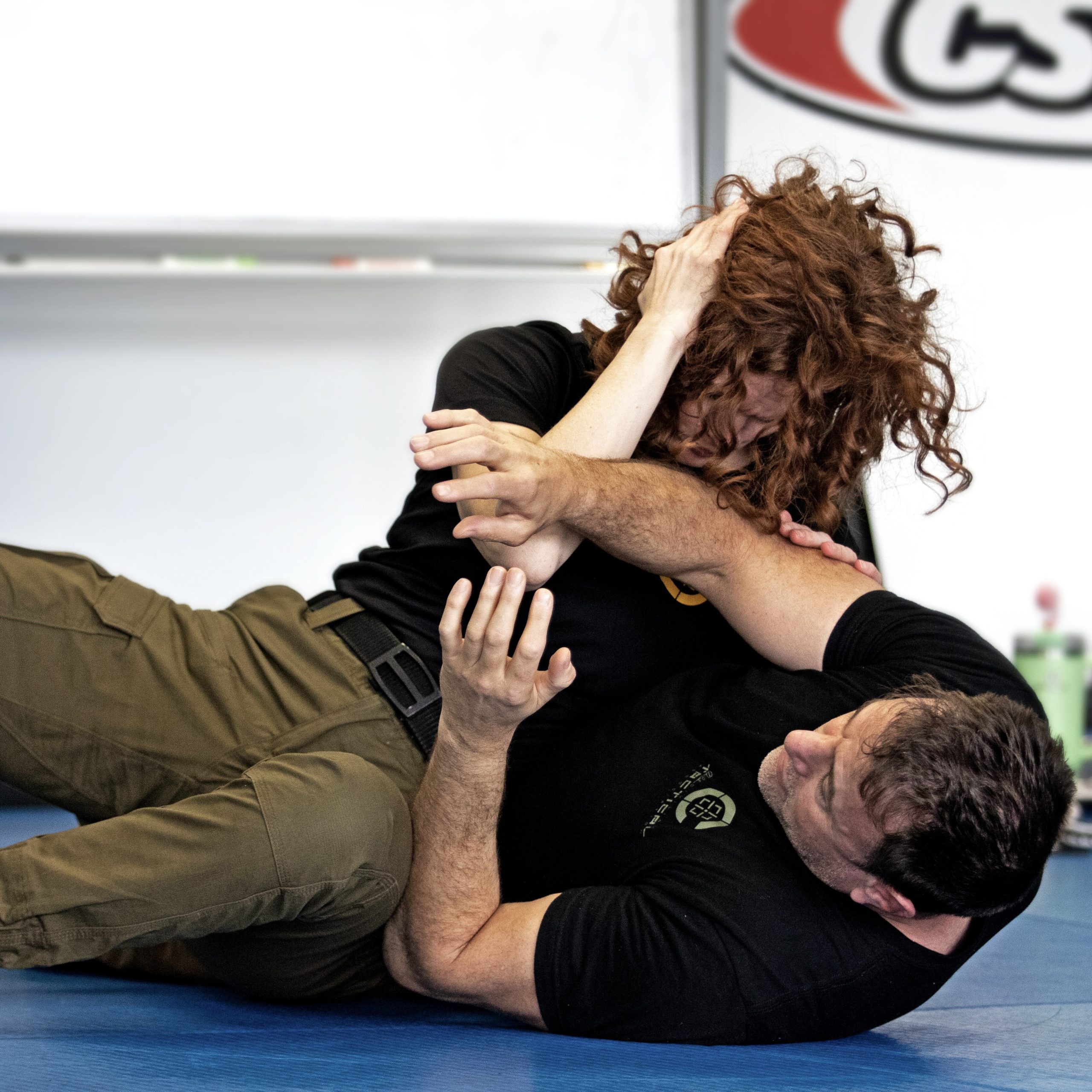
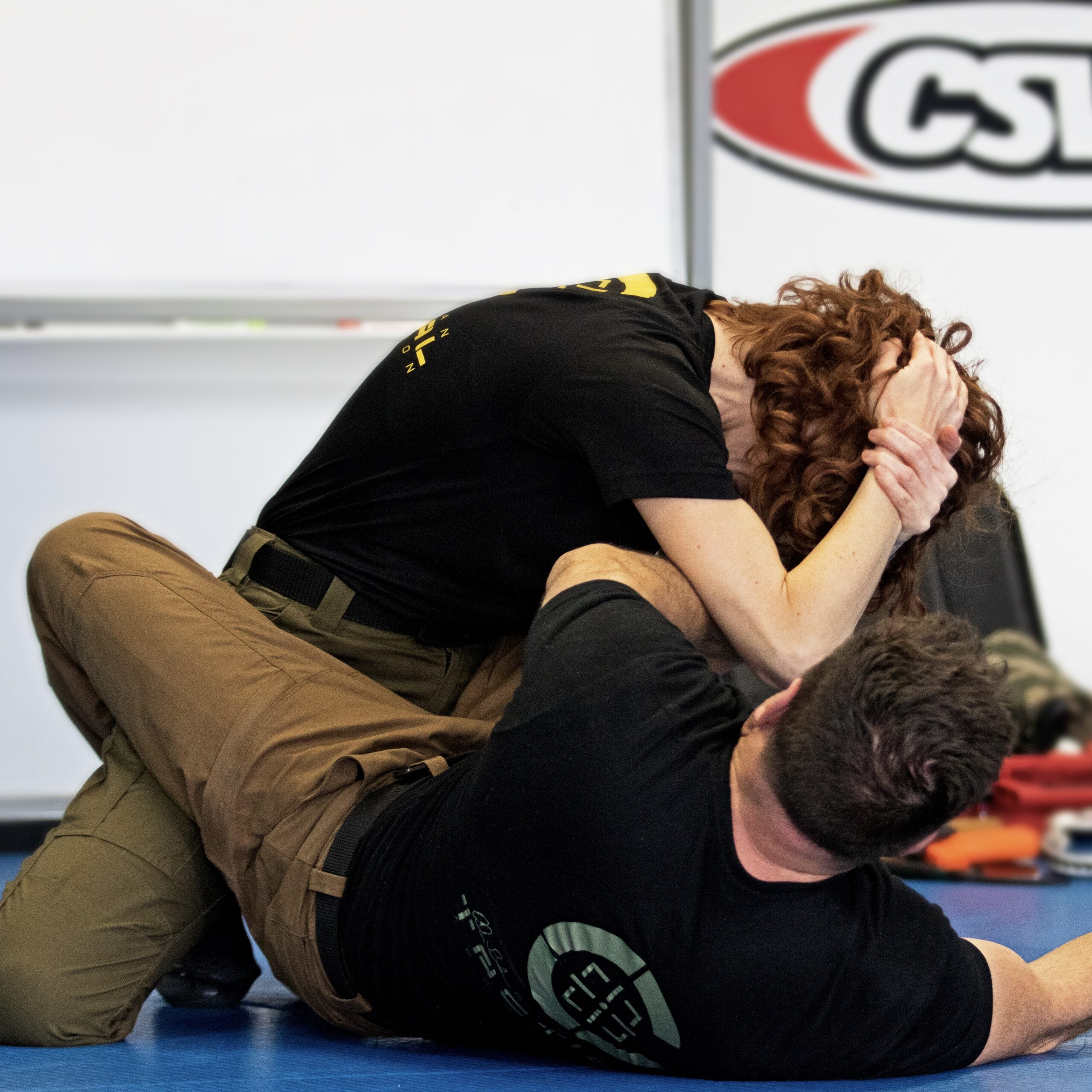
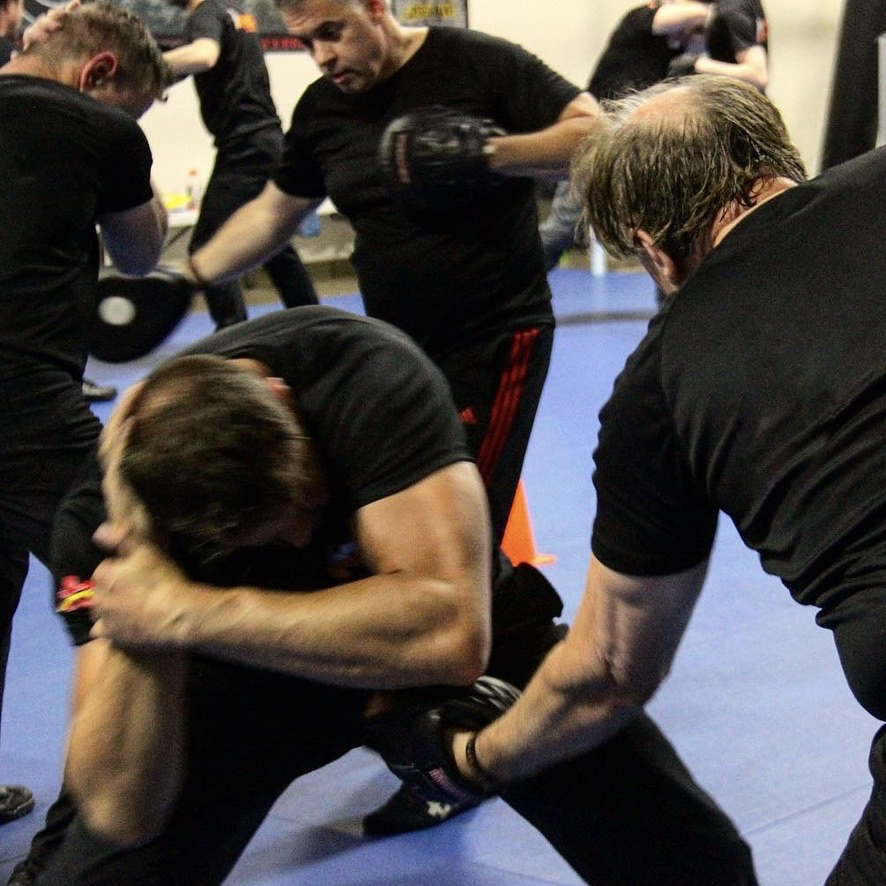
These images show the type of training environment we are building inside the U.S. Keysi program. The camp is hands-on, physical, thoughtful, and focused on helping serious students understand the method through direct experience.
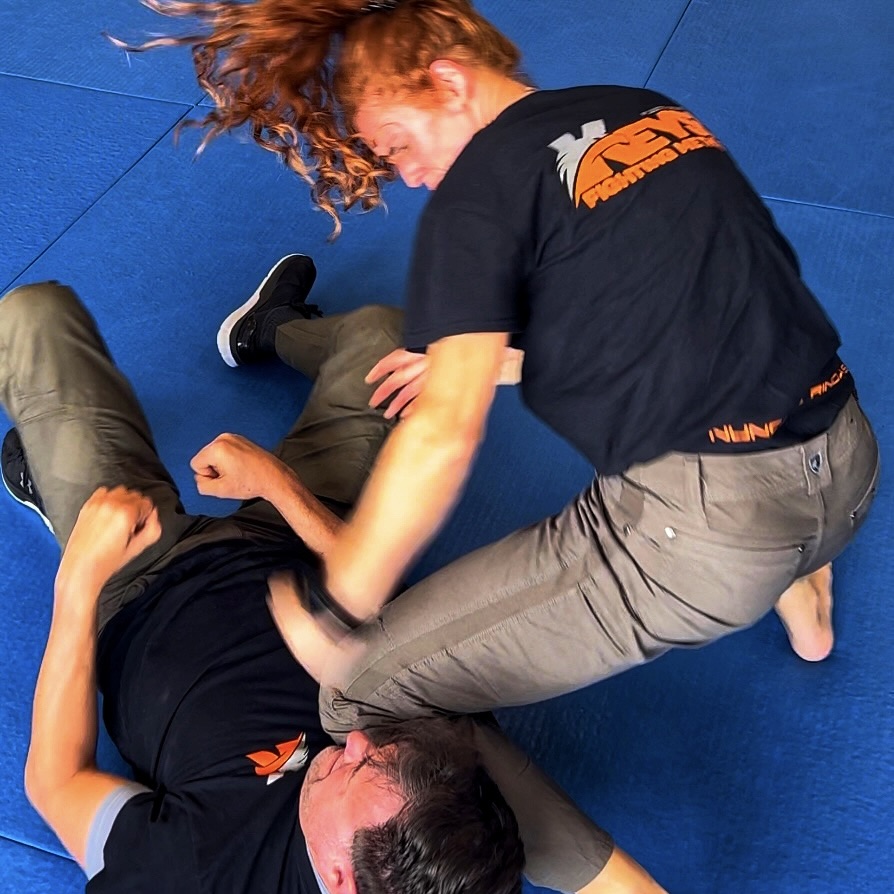
Capability Principle
Capability is not built by collecting movements. Capability is built when the student can recognize what the moment requires.
In this Keysi lesson, the student is learning how to read range, feel weight, adjust position, use the body intelligently, and place the tool where it belongs.
That is the larger value of this training. The method teaches the body to solve problems while pressure is changing.
This is why serious martial arts training must go beyond memorization. The practitioner has to learn to see.
Why This Matters For Instructors
This video is especially important for instructors because it shows how material should be taught in layers.
First, the student sees the shape. Then they feel the range. Then they begin to recognize the weight. Then they learn what happens when the coach changes the problem. Then they have to adjust.
That is real instructor development.
An instructor cannot simply memorize the answer. They must learn how to build the student. They must know when to feed success, when to create resistance, when to slow the drill down, when to add pressure, and when to help the student find another option.
The goal is not performance for the camera. The goal is education.
That is one of the standards of the U.S. Keysi instructor program. We are developing people who can train, understand, apply, and teach the method with integrity.
Study Keysi In The United States
If you are interested in studying Keysi Fighting Method in the United States, there are several paths available. You do not have to be an instructor to train. Serious students can study through camps, seminars, private training, and selected program opportunities.
For instructors, academy owners, and serious practitioners who want to progress toward certification, the instructor path provides structured development, direct coaching, U.S. training camps, testing, mentorship, and ongoing curriculum support.
The best next step is to learn more about the official U.S. Keysi Fighting Method program here: https://sifualanbaker.com/keysi-fighting-method-instructor-program/
FAQ
What is Keysi Fighting Method?
Keysi Fighting Method is a Spanish urban self-protection method built around instinctive protective movement, close-quarter problem solving, adaptability, environmental awareness, and personal growth.
Who leads the Keysi Fighting Method program in the United States?
Sifu Alan Baker serves as the U.S. Director for Keysi Fighting Method and leads the official U.S. training program.
Do I have to be an instructor to study Keysi?
No. The U.S. program supports both serious students who want to train and instructor candidates who want to progress toward certification.
What is the instructor path?
The instructor path is for instructors, academy owners, and serious practitioners who want structured progression, direct coaching, U.S. training camps, testing, certification, and the opportunity to earn the right to represent the method.
How does this lesson connect to the Capability Academy?
This lesson connects to the Academy because it develops awareness, adaptability, judgment, pressure recognition, and the ability to apply skill in changing conditions.
Sifu Alan Baker
Founder of the Capability Academy
Shift Your Perspective, Take Action, And Forge Your Path To Greatness