
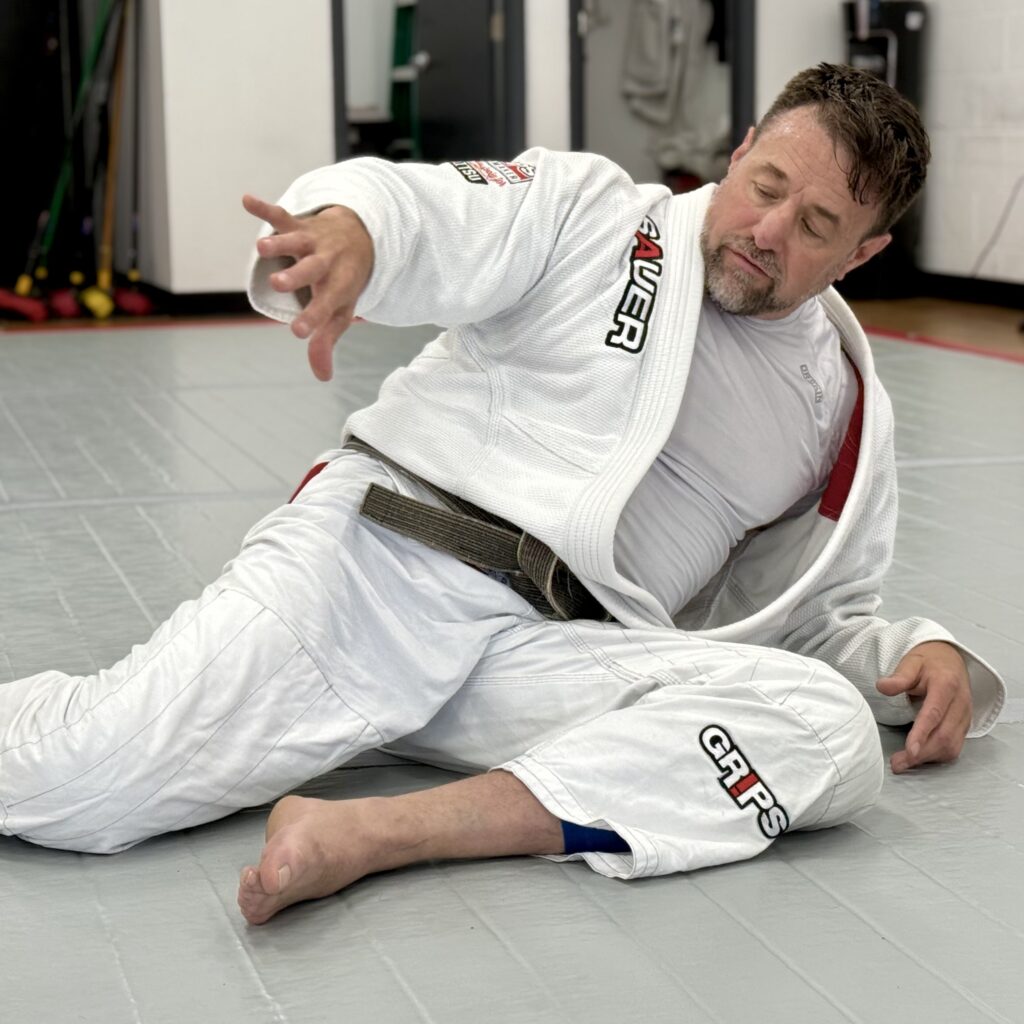
One of the most common ways we sabotage ourselves, especially as we age, is through our own perspective. The lens through which we view our journey can either fuel our progress or shut it down entirely. This is especially true when it comes to our physical culture.
When you’re younger, the results of your effort come quickly. You can push hard and train intensely, and the body responds almost immediately. Strength increases, flexibility improves, and you feel like you’re constantly leveling up. Those early wins can be intoxicating, and unfortunately, we often carry that same metric of progress with us for the rest of our lives, even when it no longer applies.
However, as time passes, the game evolves.
The body doesn’t respond the way it used to. Recovery is slower. Injuries take longer to heal. Gains are harder to come by and, for some, nearly invisible at times. Yet many of us continue to measure our current selves against our past peak as if we are competing with our younger version. That’s where the trap is set. When we can’t match the pace or performance of those “good old days,” we start hearing the internal dialogue: Why bother? What’s the point? Maybe I’m just too old for this now.
That voice is the real enemy. And if you listen to it for too long, it becomes easy to completely step off the path. But here’s the truth: your body is designed to move. It’s engineered to work, to push against resistance, and to adapt. And when we stop challenging it, when we become sedentary or passive, that’s when it begins to deteriorate.
You don’t need massive steps. You don’t need to win every workout or replicate your youth. You just need to keep moving physically, mentally, and spiritually. Even the smallest steps forward matter, especially when the alternative is standing still or giving up.
I say this not from theory but from hard experience.
Over the past four years, I’ve faced four major injuries. Some were serious enough to be considered catastrophic injuries that would have been career-ending for many. They led to the most extended break I’ve ever had in over four decades of training. I lost strength, gained weight, lost mobility and flexibility. I lost time. And it affected my skill set.
Some people, even those with good intentions, told me, “Well, you’re getting older. That’s just how it goes now.”
And I get it. It would have been easy to accept that mindset. To say, “You had a good run,” and ride off into the sunset. But I wasn’t wired for that. I’m fortunate to have had mentors who taught me how to fight, not just in the ring or on the mat but in life as well. They instilled in me the value of grit, mental endurance, and always driving forward regardless of the odds.
When I finally got back under the bar, back on the mat, and back into training, the progress was slow. Painfully slow. I wasn’t reliving the glory days, and I wasn’t supposed to. That’s not the point anymore. The point is to keep moving. To reclaim ground one inch at a time. To show up and do the work, even if the wins are small and the gains are modest.
Progress might look different now, but the value of that progress is greater than ever. Each small improvement becomes a quiet victory, a refusal to give in, a declaration that you’re still in the fight.
So, if you’re reading this and you’re feeling like your best days are behind you, or you’re frustrated that you’re not where you used to be, let me offer this: The real win is showing up. The real discipline is in repetition. The real strength is in the refusal to stop.
Consistency Over Intensity
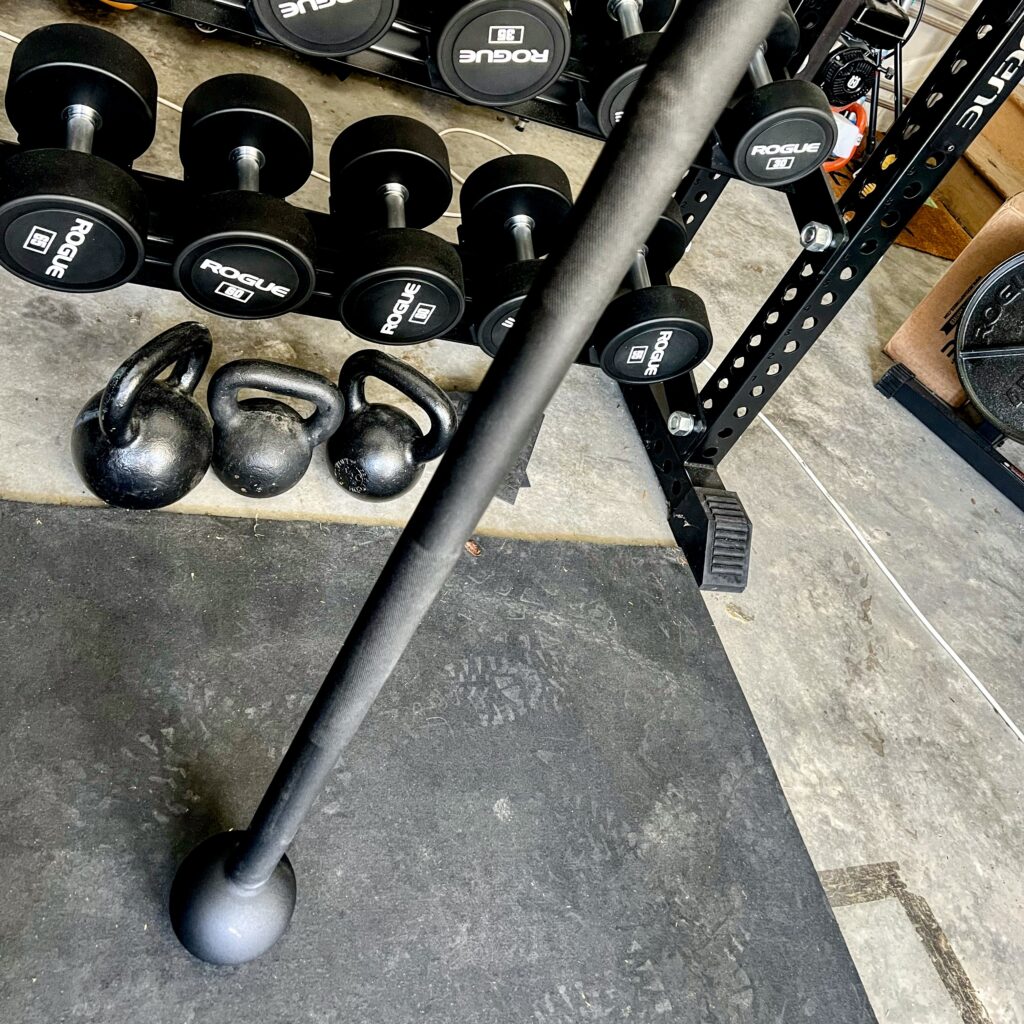
One of the most important mindset shifts in long-term physical development, especially as we age or return from injury, is learning to trade intensity for consistency.
There’s a time in life when going hard, every session felt normal. You pushed limits, chased PRs, and felt like more was always better. But there comes a point, either through age, injury, or simply changing priorities, when that high-intensity approach becomes unsustainable.
This is where consistency becomes the new cornerstone.
You don’t need to crush every workout. You just need to show up. You need a rhythm. You need movement, not punishment. By lowering the barrier to entry, shorter sessions, lighter loads, and focused movement, you create a system you can stick with.
That’s how you rebuild.
It’s also how you stay in the game for life.
Progress may seem slower, but it’s more sustainable. You’re not sidelining yourself with overtraining or burnout. You’re investing in longevity. In truth, consistency is intensity, just spread out over time.
If you’re facing a season where the big sessions feel out of reach, shift your goal: don’t aim to train hard; aim to train often. Because training often becomes effective training.
Seek Out The knowledge
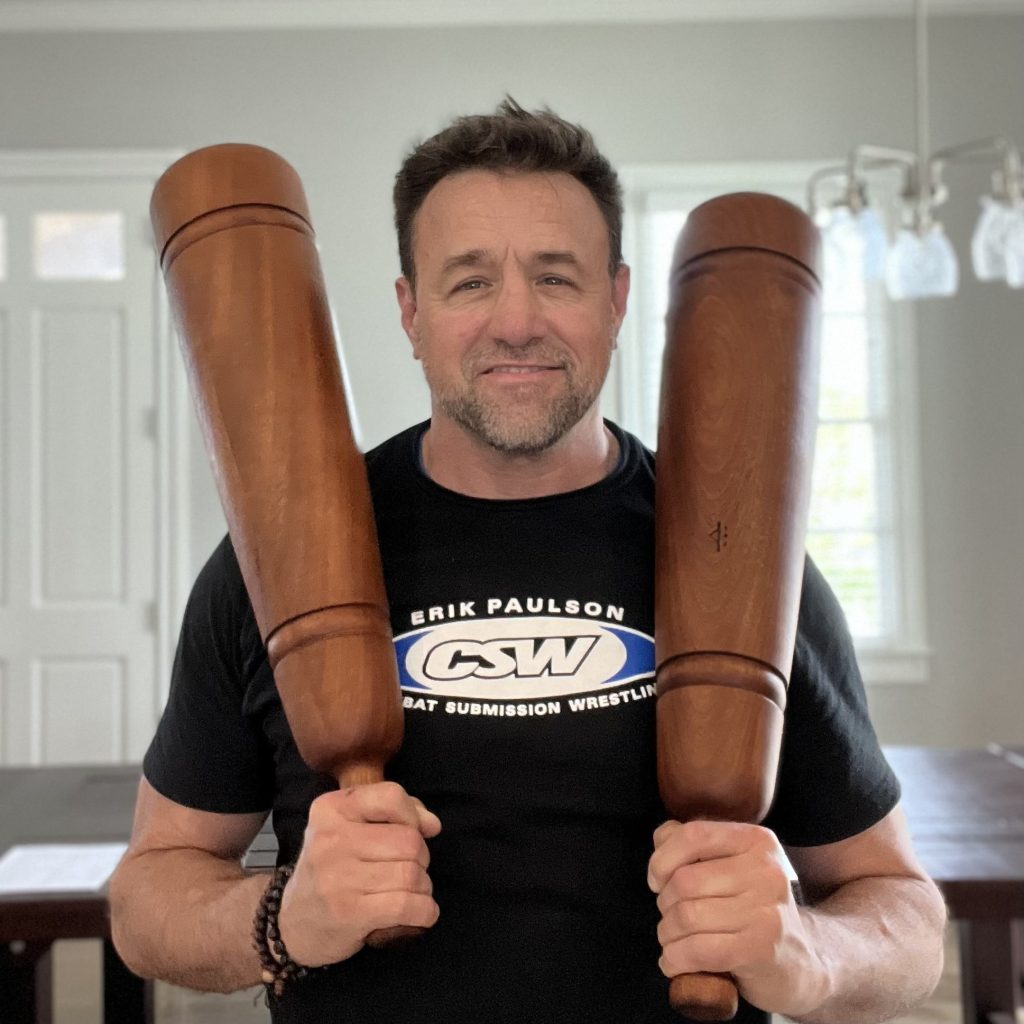
Now, let’s be clear. Consistency is absolutely one of the foundational pillars of success in physical culture. Without it, progress stalls, and momentum dies. But there’s another element that is equally vital and often overlooked: acquiring the proper knowledge and tools.
You’ve probably heard me say it before. I consider myself a perpetual white belt. I’ve made it a personal mission to stay in student mode, no matter how many years I’ve been doing this. That mindset has become one of the most important drivers of my long-term success. In fact, I’m releasing my fourth book soon, and a significant focus of it is precisely this idea: the power and necessity of having your own self-education system.
The truth is that the traditional educational systems most people rely on are embarrassingly substandard. They’re not built to create high performers. They’re designed to take the lowest common denominator and raise them just high enough to be considered average. And unfortunately, society often accepts average, especially later in life. But I don’t. I absolutelydo not. That’s why I believe every individual should build and maintain their own system of self-education. A system that supports growth sharpens thinking and keeps the edge honed throughout life.
While that’s not the central theme of this article, it leads directly to my next point. If you want to improve your physical culture, you need to seek out new information that supports that pursuit. Most of the information you’ll find in the first few layers of media is either incomplete or flat-out misleading. Much of it is commercial fluff created to sell quick fixes, something flashy that gets used once or twice, then tossed aside when it fails to deliver.
But if you’re willing to dig deeper, if you’re eager to cut through the noise, there is powerful knowledge out there. Some of it is what I’d call lost knowledge, methods, and wisdom that have been pushed aside over the years, not because they were ineffective, but because they weren’t as profitable to market. Many of these tools are free, hiding in plain sight, passed over because they don’t have a shiny ad campaign attached to them. Others may require an investment of time or money, but in my experience, they are well worth it.
So yes, consistency is a cornerstone. But continued growth also requires new tools, new strategies, and new insight. The tools that got you where you are now may no longer be enough. That doesn’t mean you’ve hit a wall because of age or limitations. It may simply mean it’s time to upgrade your knowledge. The information that can help you move forward is out there. You just have to be willing to do the work, to dig past the surface level of mainstream content, and uncover what truly works. This seeking of knowlage is one of the reasons we created the Warriors Path Program.
Ignore the Noise and Measure Progress with Wisdom
One of the most significant challenges you’ll face on your path, whether in physical culture or in life, is tuning off the noise. The world is full of people who will doubt you. Sometimes, they mean well. Sometimes they don’t. Either way, their opinions are just noise. What matters is how you respond. My advice? Don’t waste energy defending yourself with words. Doubt them by showing up. Prove them wrong through action. Let your consistency, discipline, and presence speak for you.
This is more than just a fitness principle. It’s a life skill that impacts far more than your physical development. The ability to stay focused and keep moving forward despite outside negativity carries over into every area of your life. The truth is, there are countless people out there who seem ready and waiting to pull you down. Sometimes it’s deliberate, and sometimes they don’t even realize they’re doing it. Either way, their criticism or negativity has nothing to do with your journey, yet they’ll still try to hand you their misery as if it belongs to you.
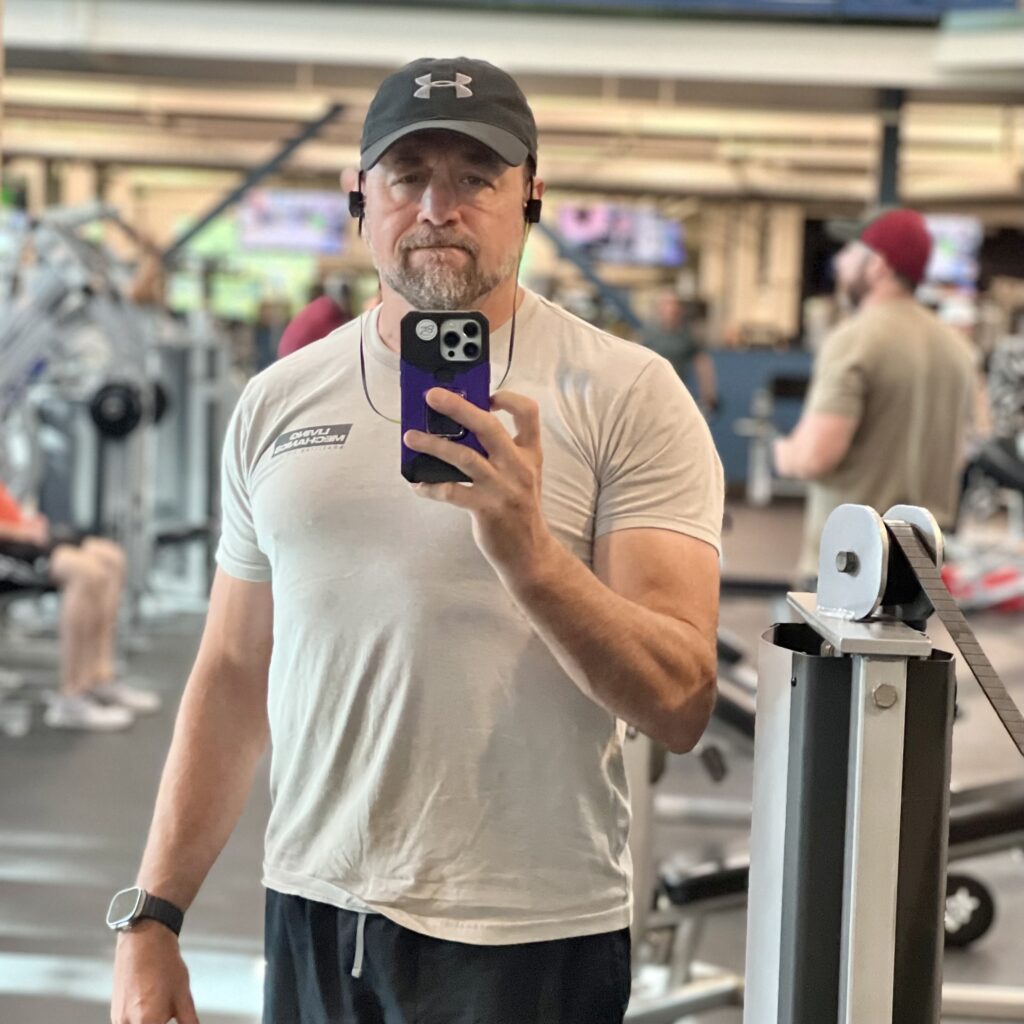
Some people struggle to see others succeed when they’ve given up on their own growth. They project their limits onto anyone who chooses to rise above the average. That doesn’t mean you have to accept it. Let them say what they want. Let them doubt your progress. Your job is to stay committed to your standards, to keep showing up, and to keep moving forward. Misery may look for company, but purpose and discipline walk a different path.
When people try to tell you what you can’t do or what you’ve lost over time, you don’t have to argue. You have to keep showing up to the work. Keep training. Keep investing in your health. Keep sharpening the blade. That’s how you send the clearest message possible—without saying a word.
And while we’re on the topic, let’s talk about how you measure your progress. You may not be hitting personal records from your twenties or moving weight like you used to. But so what? That’s not the game anymore. Real progress at this point in the journey looks different. Strength may plateau or shift—but vitality, energy levels, blood markers, balance, posture, flexibility, mobility, and independence… those are the metrics that matter now.
You train so you can move well. So you can avoid injury. So you can still climb, carry, protect, and live with power and clarity. You train so you don’t have to rely on others. That’s the real definition of strength now: capability. Self-reliance. Freedom.
When you stop trying to compare yourself to a younger version of who you were and instead start measuring yourself by what truly matters in this phase of life, you reclaim your power. You stop chasing old numbers and start building a legacy. Legacies are built by people who show up again and again, regardless of who’s watching or what the critics say.
Shift Your Perspective, Take Action, And Create Change
~ Sifu Alan ┃ www.sifualan.com ┃ www.civtaccoach.com┃www.prtinstructor.com
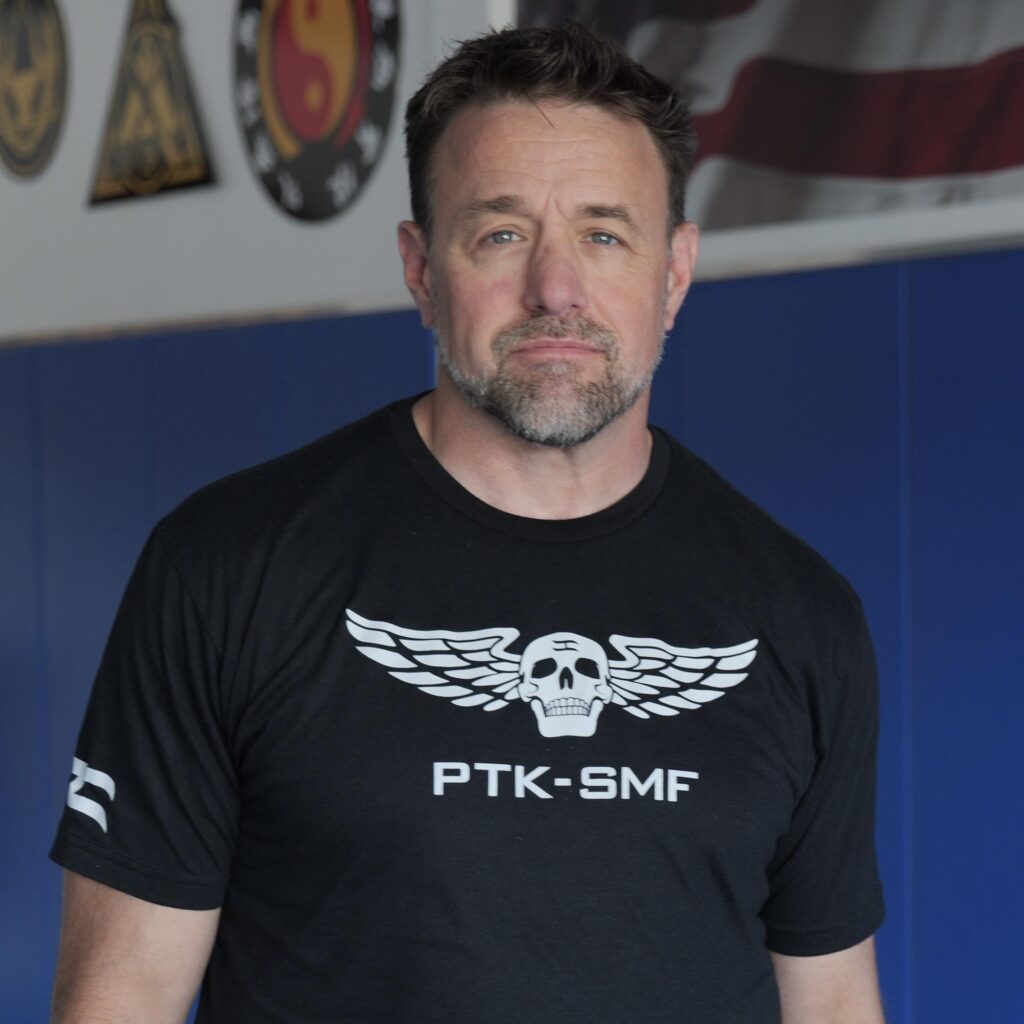
Sifu Alan Baker is a nationally respected authority in Defensive Tactics Program Development, High-Performance Coaching, and martial arts, with over 45 years of training experience across multiple systems. As a lifelong martial artist and tactical instructor, Alan has dedicated his career to creating practical, adaptable, and effective training systems for real-world application. He has worked extensively with law enforcement agencies, military units, and private security professionals, designing programs that emphasize scenario-based training, everyday carry (EDC) integration, and combative efficiency under pressure.
Alan’s client list includes elite organizations such as the Executive Protection Institute, Vehicle Dynamics Institute, The Warrior Poet Society, ALIVE Active Shooter Training, Tactical 21, and Retired Navy SEAL Jason Redman, among many others. He is the creator of both the C-Tac® (Civilian Tactical Training Association) and Protection Response Tactics (PRT) programs—two widely respected systems that provide realistic, principle-based training for civilians and professionals operating in high-risk environments.
In addition to his tactical and martial arts work, Alan is the founder of the Warrior’s Path Physical Culture Program, a holistic approach to strength, mobility, and long-term health rooted in traditional martial arts and the historic principles of physical culture. This program integrates breathwork, structural alignment, joint expansion, strength training, and mental discipline, offering a complete framework for building a resilient body and a powerful mindset. Drawing from his training in Chinese Kung Fu, Filipino Martial Arts, Indonesian Silat, Burmese systems, and more, Alan combines decades of experience into a method that is both modern and deeply rooted in timeless warrior traditions.
Alan is also the architect of multiple online video academies, giving students worldwide access to in-depth training in his systems, including Living Mechanics Jiu-Jitsu, C-Tac® Combatives, breathwork, functional mobility, and weapons integration. These platforms allow for structured, self-paced learning while connecting students to a growing global community of practitioners.
Beyond physical training, Alan is a sought-after Self-Leadership Coach, working with high performers, professionals, and individuals on personal growth journeys. His coaching emphasizes clarity, discipline, focus, and accountability, helping people break through mental limitations and align their daily actions with long-term goals. His work is built on the belief that true mastery begins with the ability to lead oneself first, and through that, to lead others more effectively.
Alan is also the author of three books that encapsulate his philosophy and approach: The Warrior’s Path, which outlines the mindset and habits necessary for self-leadership and personal mastery; The Universal Principles of Change, a practical guide for creating lasting transformation; and Morning Mastery, a structured approach to building a powerful daily routine grounded in physical culture and discipline.
To explore Alan’s books, digital academies, live training opportunities, or to inquire about seminars and speaking events, visit his official website and take the next step on your path toward strength, resilience, and mastery.