
Sifu Journal · Field Notes · Tactical 21
The Perpetual White Belt: Training With Tactical 21
Continual learning, responsible marksmanship, and the C-TAC mind tool that keeps the larger picture in view.
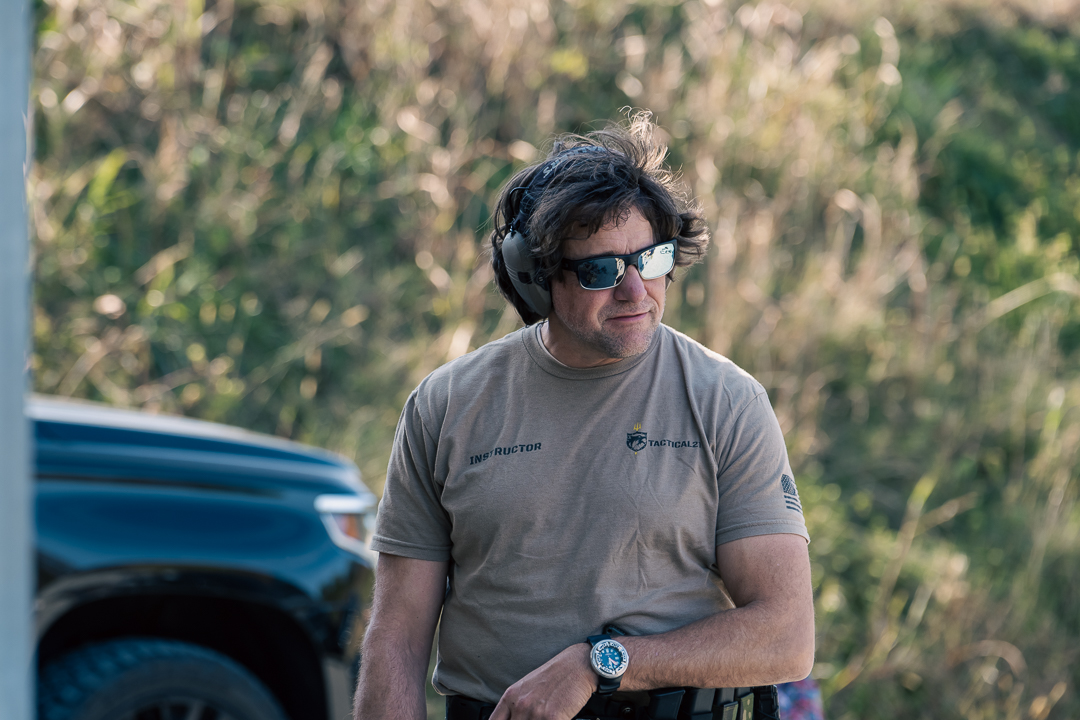
Back on the Range
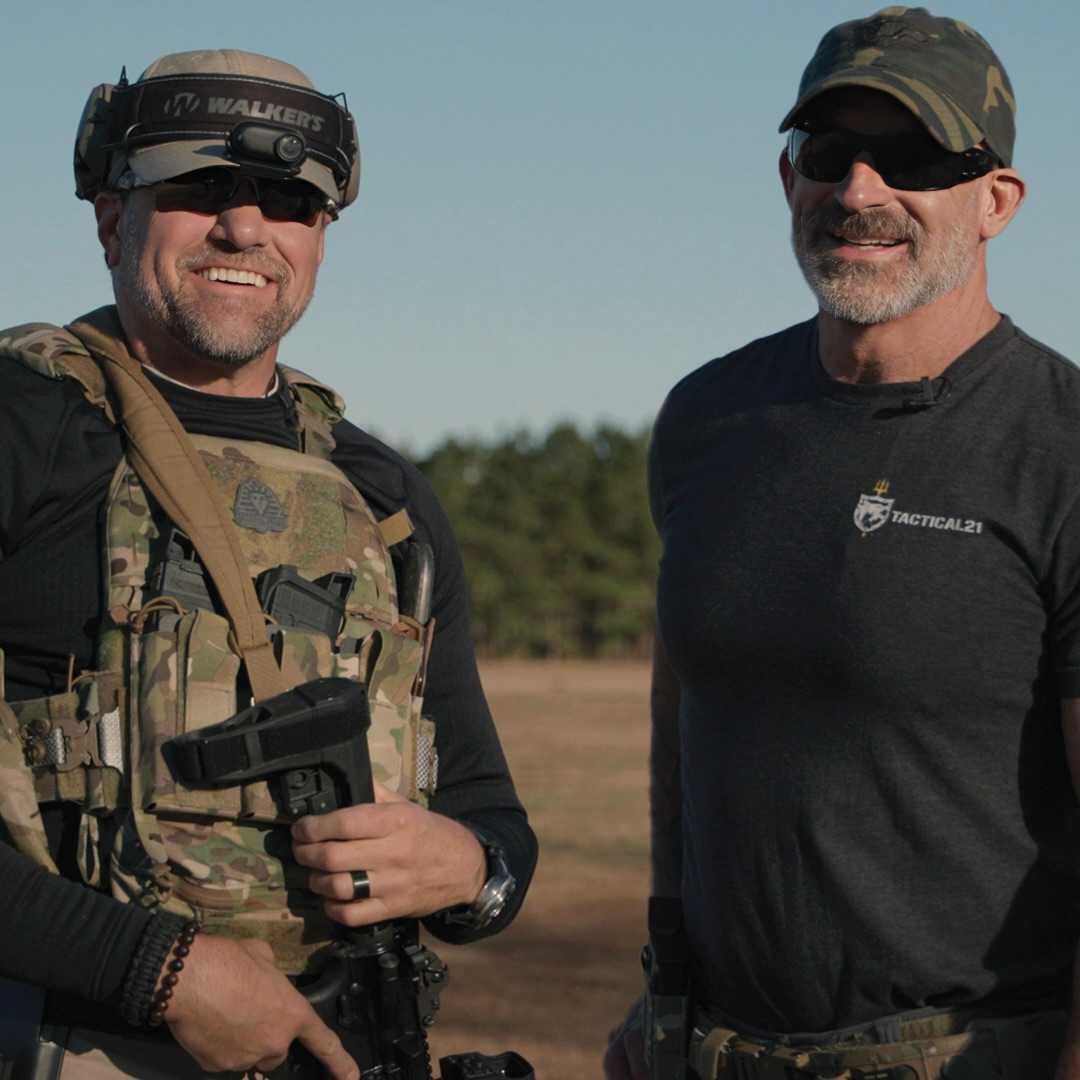
On Sunday, November 1, I was back at C2 Shooting Center in Virginia Beach, training with the Tactical 21 instructor team. Ari and her team were there recording video and taking photographs throughout the day, capturing some of the work and the people involved.
I have been part of the Tactical 21 instructor staff for years, and it is an honor to work alongside this team. It is just as much of an honor to learn from them.
Whenever I am in the Virginia Beach area, I make an effort to get on the range with the guys. Sometimes I am there to help teach. Other times, I am there for private instruction and to work on my own skills. Even when I am not involved with a scheduled class, I try to make time to train.
Those who know me have heard me say this before: I am a perpetual white belt.
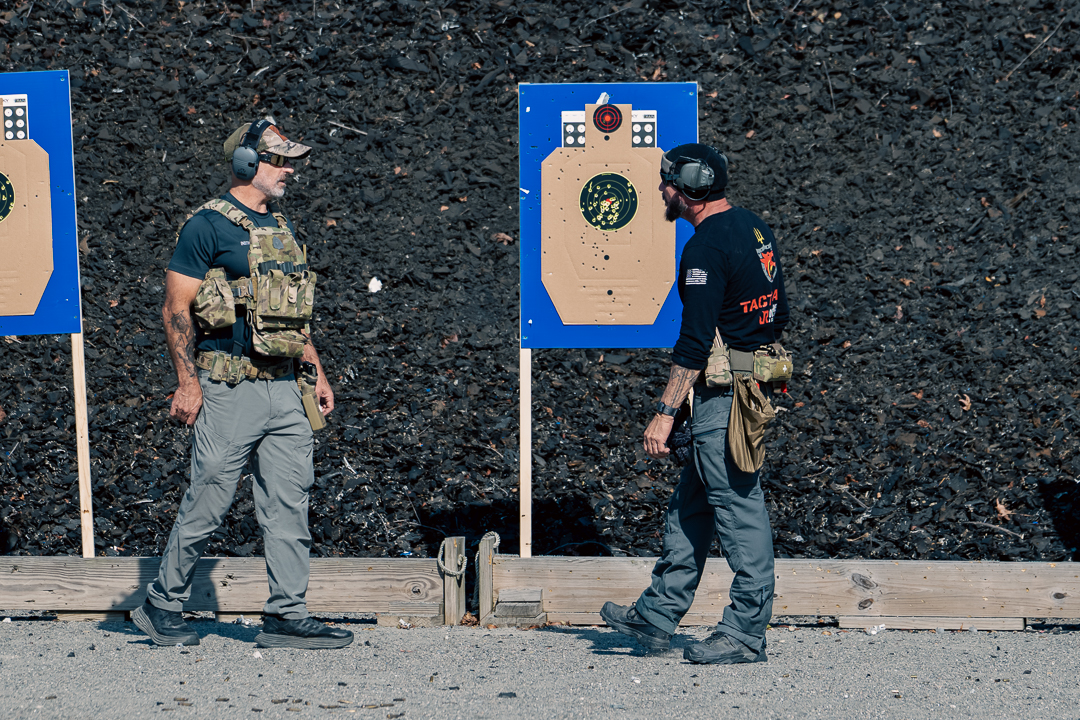
Being Part of a Team Means Continuing to Learn
My work with Tactical 21 includes combatives and executive protection instruction. It is a relationship I value because I can contribute my experience while continuing to learn from people whose experience expands my own.
Edgar Gonzalez, the team’s founder and lead firearms instructor, and Patricia Gonzalez, co-founder, operations director, and lead female firearms instructor, have brought together instructors with backgrounds in military service, law enforcement, medical training, competitive shooting, and civilian education. You can learn more about them on the Tactical 21 instructor page.
I want to remain teachable. I want someone to notice what I am missing, correct what needs attention, and help me improve. Years of experience give you a foundation to build on. You still have to show up and do the work.
Sometimes that work is a physical skill. Sometimes it is watching another instructor explain something and realizing their approach could help you become a better teacher.
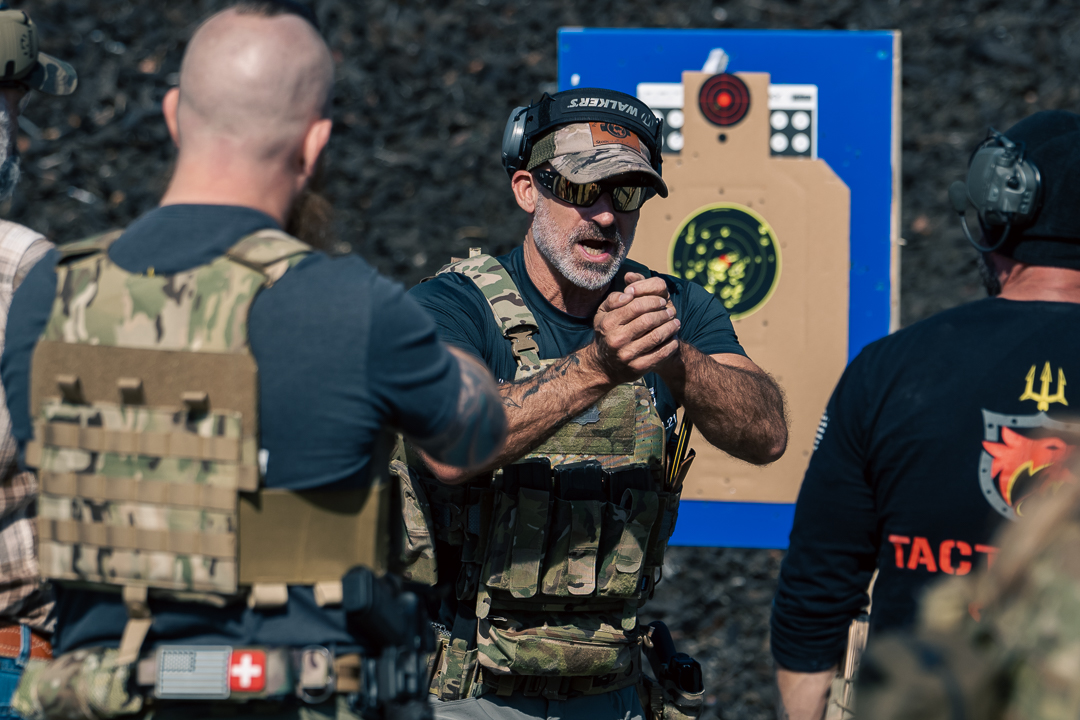
The student’s responsibility
I have to remain willing to recognize a gap, ask for help, and become the student again.
Continuing the Work at Constellis
On Saturday, November 7, I assisted and trained with the Tactical 21 team during Pistol Foundations 101 and Pistol Foundations 201 at Constellis Training Center in Moyock, North Carolina.
Pistol Foundations 101 introduces new and developing shooters to safe firearm handling and foundational marksmanship. Pistol Foundations 201 builds on that education, with an emphasis on greater consistency, responsible handling, and continued skill development. The second course requires completion of 101 or equivalent training.
I appreciated the opportunity to participate in both roles during the training day. Helping students gave me a chance to contribute. Receiving instruction gave me a chance to examine my own habits and understanding.
If I am asking students to accept feedback, practice consistently, and examine their weaknesses, I need to hold myself to that same standard.
C-TAC · A mind tool for training
The Combat Blueprint: Seeing the Gaps
One of the mind tools we use in C-TAC is the Combat Blueprint. I developed it to help students step back, see the broader picture, and make better decisions about their training.
It organizes our study around five primary areas, which we call Primal Environments:
- 01Marksmanship and projectile weaponry
- 02Edged and blunt weaponry
- 03Striking
- 04Hand fighting, pummeling, and the clinch
- 05Ground fighting
Each area deserves attention. The Blueprint helps us organize that study and use our training time intelligently. I outlined these five areas in my earlier article, Mastering Combat Essentials.
Your primary martial art gives you a perspective. It develops certain abilities and teaches you to recognize particular problems. But you also need a way to examine what falls outside that perspective.
The Blueprint helps you ask: Where have I developed skill? Where do I need instruction? What have I allowed myself to overlook?
In my earlier Combat Blueprint discussion with Bob Burgee, I talked about recognizing firearms training as a gap in my own education. Addressing it required finding instructors and committing time to the work.
My ongoing training with Tactical 21 is a continuation of that commitment.
Putting the Blueprint on the Calendar
Having marksmanship on the Blueprint gives me a practical reminder to keep returning to it. The same is true of every other area we study in C-TAC.
It is easy to spend most of your training time doing what you already enjoy. If you enjoy grappling, you will probably find time to grapple. If striking is your strength, you may naturally spend more time there. Meanwhile, another area can keep getting pushed into the future.
The Blueprint helps us recognize that pattern. Then we have to do something with the information.
For me, that means making time to train with the Tactical 21 team when I am in the Virginia Beach area. Sometimes I am assisting with instruction. Sometimes I am taking private lessons. Both belong in my continued development.
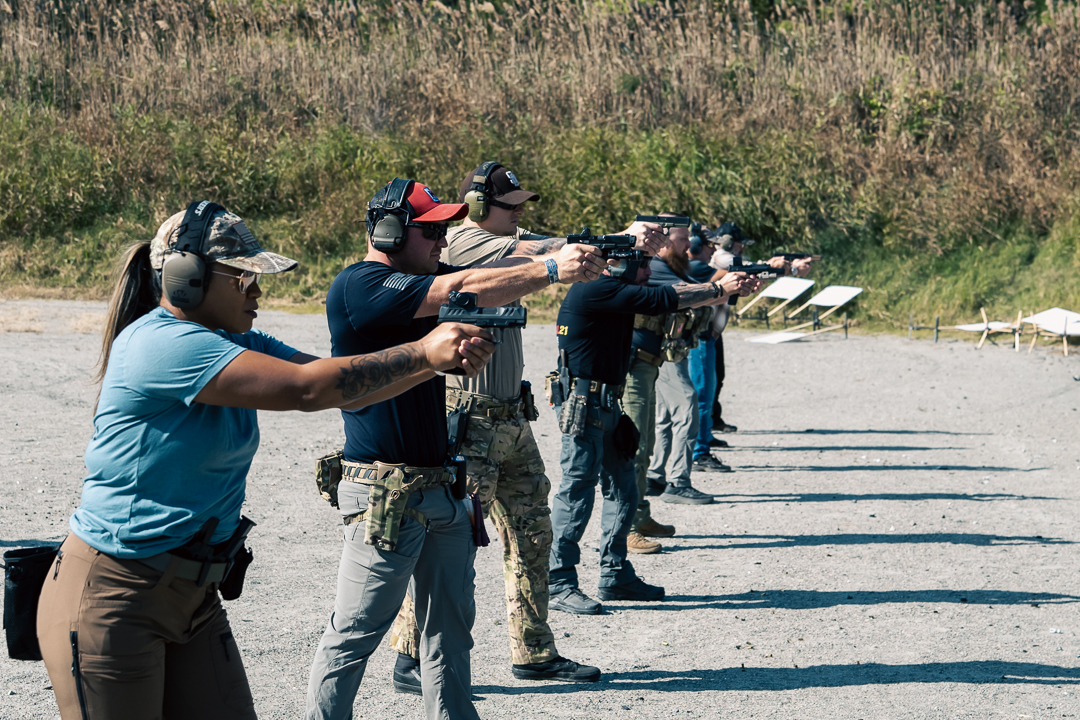
Capability Includes Responsibility
I am a strong proponent of helping people become more capable. In my view, responsible marksmanship is one meaningful area of that development.
That study carries responsibilities. Safe handling, sound judgment, an understanding of legal obligations, and respect for the consequences of our decisions belong alongside physical skill.
We have to be honest about what we understand, what we can consistently demonstrate, and where we need qualified help.
If you regularly train your striking and grappling, you already understand the value of repetition and correction. Apply that same willingness to learn when you enter another area of study. Give it time. Find good instruction. Accept that you may have a great deal to learn.
Keep Showing Up as a Student
I am grateful to Edgar, Patricia, and the entire Tactical 21 team for the opportunity to contribute and continue my own development. I also appreciate Ari and her team documenting Sunday’s training so we can share more of that experience.
Being part of the instructor staff is an honor. Having people around me who can help me become better is something I value just as much.
If you teach, make room in your schedule to be taught. If you train, take an honest look at the areas you consistently practice and the areas you consistently postpone.
I plan to keep showing up, asking questions, and doing the work. There is still plenty for this white belt to learn.
Put the idea into practice
Look at Your Training Calendar
Choose one area of your education that has been receiving too little attention. Identify the qualified instructor who can help you, and put a time to learn on your calendar.
What am I consistently practicing?
What am I consistently postponing?
What will I do about that next?
Explore C-TAC and the Combat Blueprint
Photography from Sunday’s training: Ari and the Tactical 21 team.