
The Capable Academy | C-Tac Field Notes
When theFundamentalsHave to Change
Adaptation, mastery, and the C-Tac standard
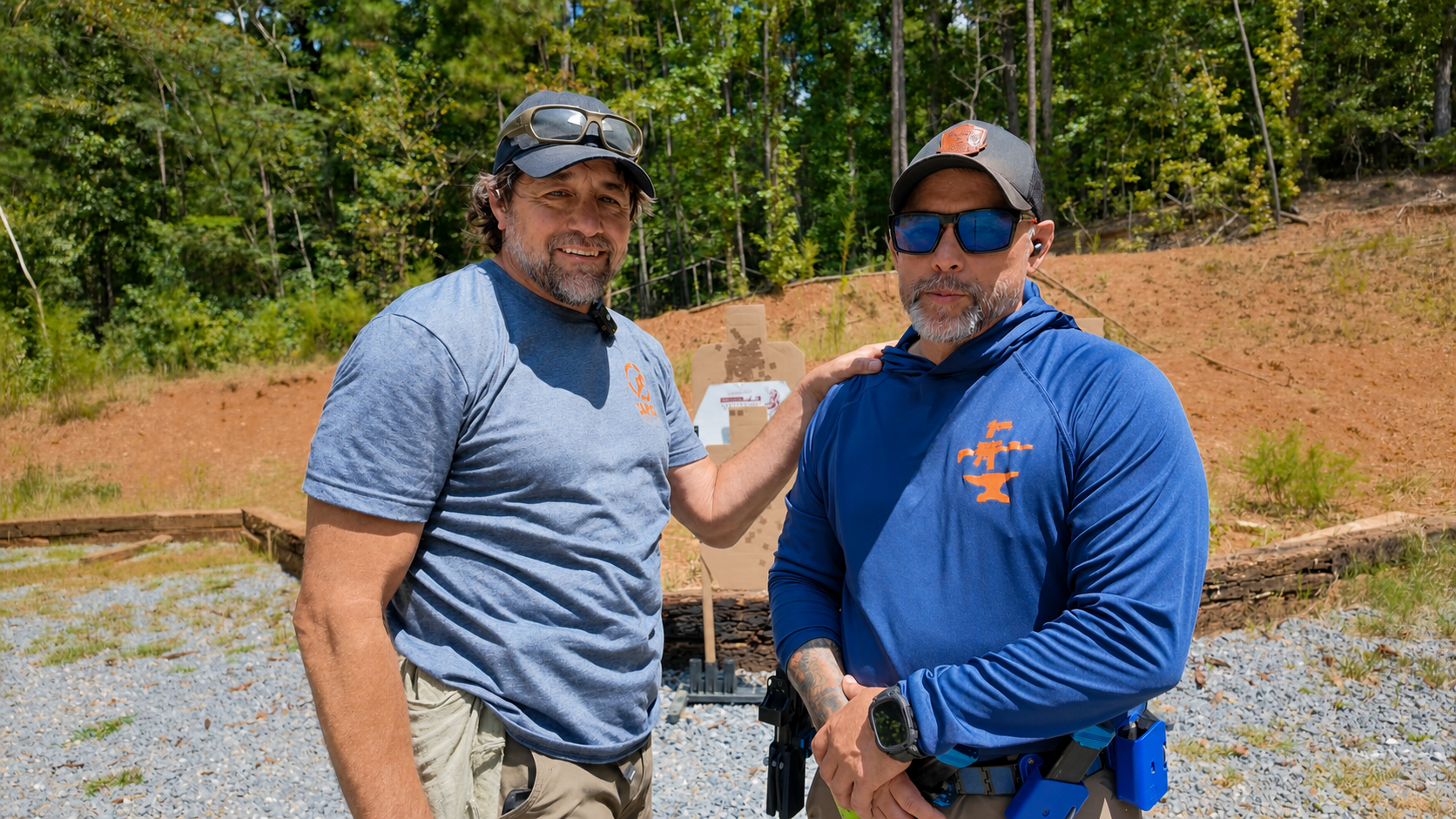
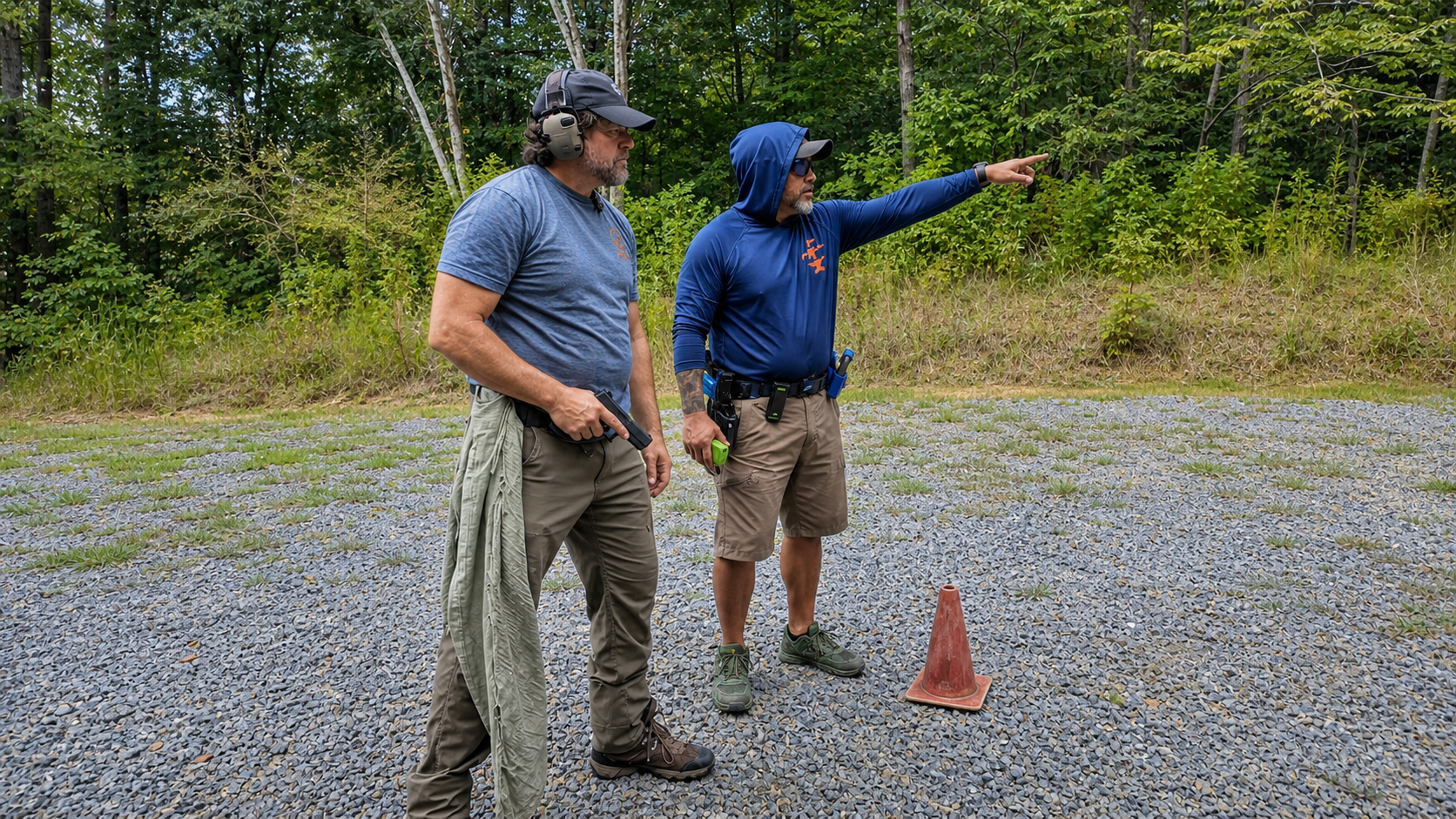
Coach Dennis and I have been running a range day about once a month for nearly three years. The point is not novelty. The point is consistency, repetition, honest feedback, and the slow accumulation of skill.
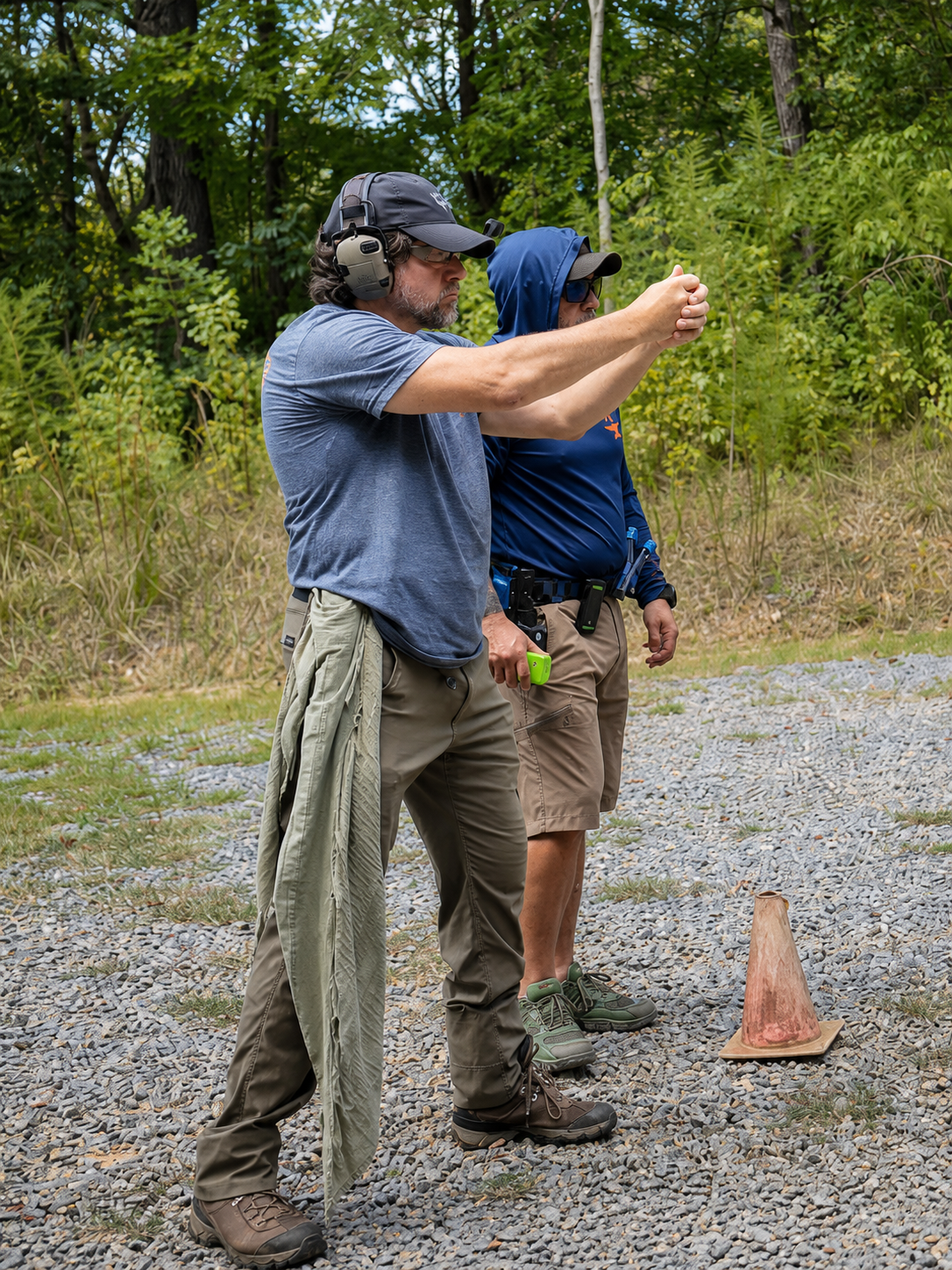
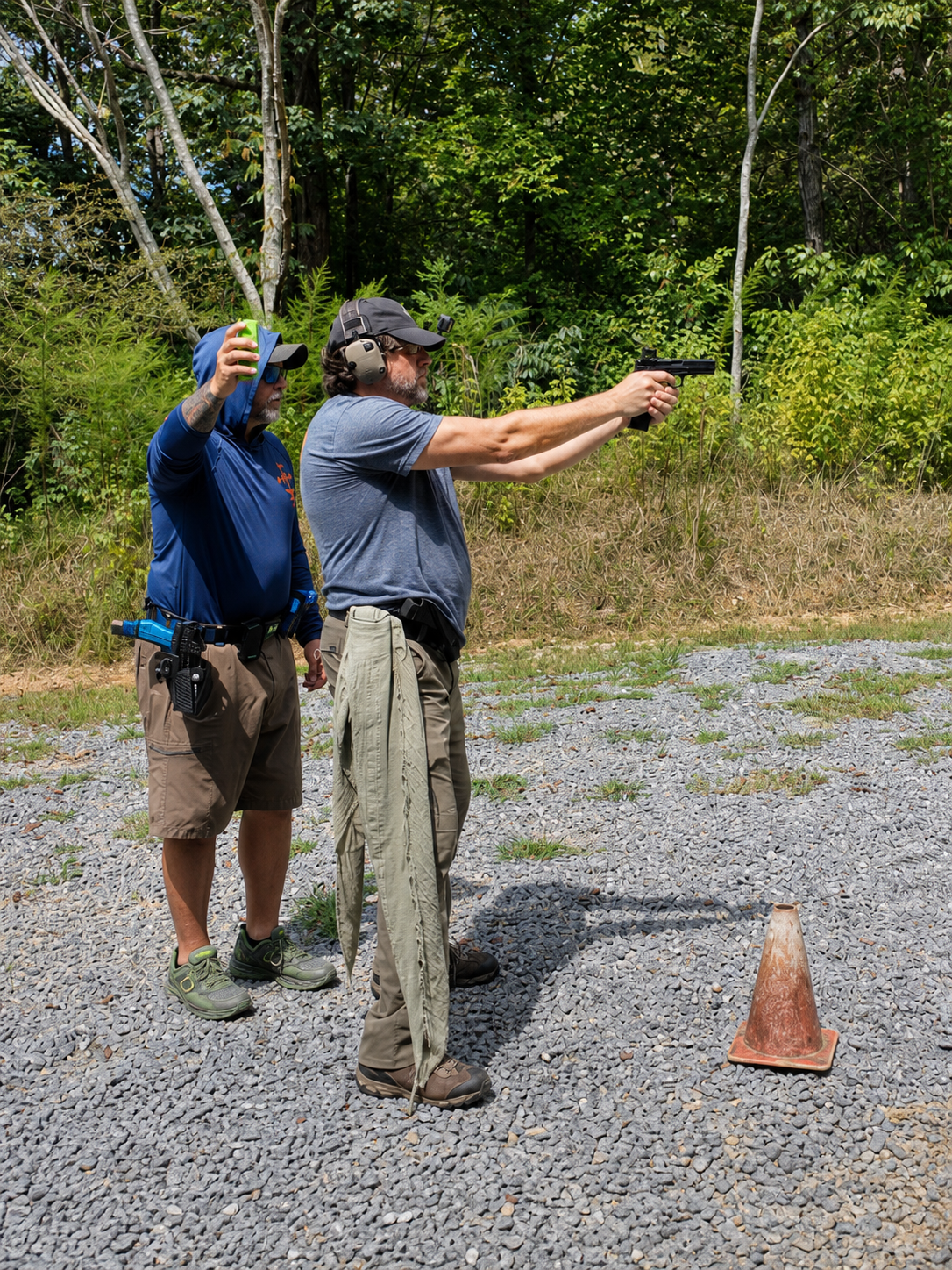
During our most recent session, I had to change the way I grip the handgun. I had spent roughly two years working with the previous method. The new version is not especially standard, and from the outside it may even look a little awkward. It is an adjustment built around the injuries I have accumulated through decades of training and, if I am being honest, several years of living like a lunatic.
What made the day interesting was how quickly the change helped. Usually, when you make a meaningful adjustment to a fundamental, performance gets worse before it gets better. There is a period where the new position feels foreign and the old one keeps trying to return. This time, the improvement appeared almost immediately.
I have had good days and bad days on the range, just like everyone else. This was a good day. More importantly, it was a useful reminder that growth is not a single event. Growth is a continuing process of observation, adjustment, testing, and refinement.
Firearms Training Fundamentals Are Not Frozen
People often speak about fundamentals as though they are fixed shapes. I see them differently. A fundamental is a principle that continues to function when the conditions change. The visible expression may vary from person to person because bodies, injuries, experience levels, equipment, and problems vary.
If we confuse a standard shape with the principle underneath it, we can become loyal to a method that no longer serves the task. The goal is not to preserve the appearance of the technique. The goal is to preserve what makes the technique work.
Mastery is not the ability to repeat one answer forever. It is the ability to protect the principle while adapting the answer.
That does not mean we abandon structure or invent something new every time training becomes uncomfortable. It means we earn the judgment to know what must remain stable and what may change. Structure gives us a point of departure. Experience gives us better questions. Feedback helps us determine whether the adjustment actually works.
One Good Day Is Evidence, Not Proof
The immediate improvement was encouraging, but one successful session does not prove that a change has been fully learned. A new solution has to survive repetition, fatigue, changes in distance and pace, different drills, and the passage of time. It must remain useful when the initial excitement is gone.
This is one reason regular practice matters. An occasional training day can produce an experience. A consistent training schedule produces information. It allows you to compare performance over time, see patterns, and distinguish a real improvement from a temporary good day.
Principle Meets the Individual
The Body Is Part of the Training Problem
The first positive result matters, but retention and repeatability determine whether an adjustment becomes a dependable skill.
Training is often taught as if every student is operating the same machine. We are not. A method must eventually meet the structure, history, and current condition of the person using it. Age, mobility, strength, prior injuries, and accumulated wear all affect how a principle can be expressed.
This becomes more important, not less important, as experience grows. A mature practitioner should not be trying to imitate the physical presentation of a younger version of himself. He should be working to become more efficient, more precise, and more intelligent with the body he has now.
The adjustment I made was not an excuse to lower the standard. It was an attempt to meet the standard more effectively. That distinction matters. Intelligent adaptation is not surrender. It is problem solving.
Consistency Reveals What Occasional Practice Hides
Coach Dennis and I have kept these monthly range sessions going because consistency exposes the truth. It shows you what remains dependable, what begins to decay, and what must be rebuilt. It gives a coach the opportunity to observe changes that the practitioner may not feel from the inside.
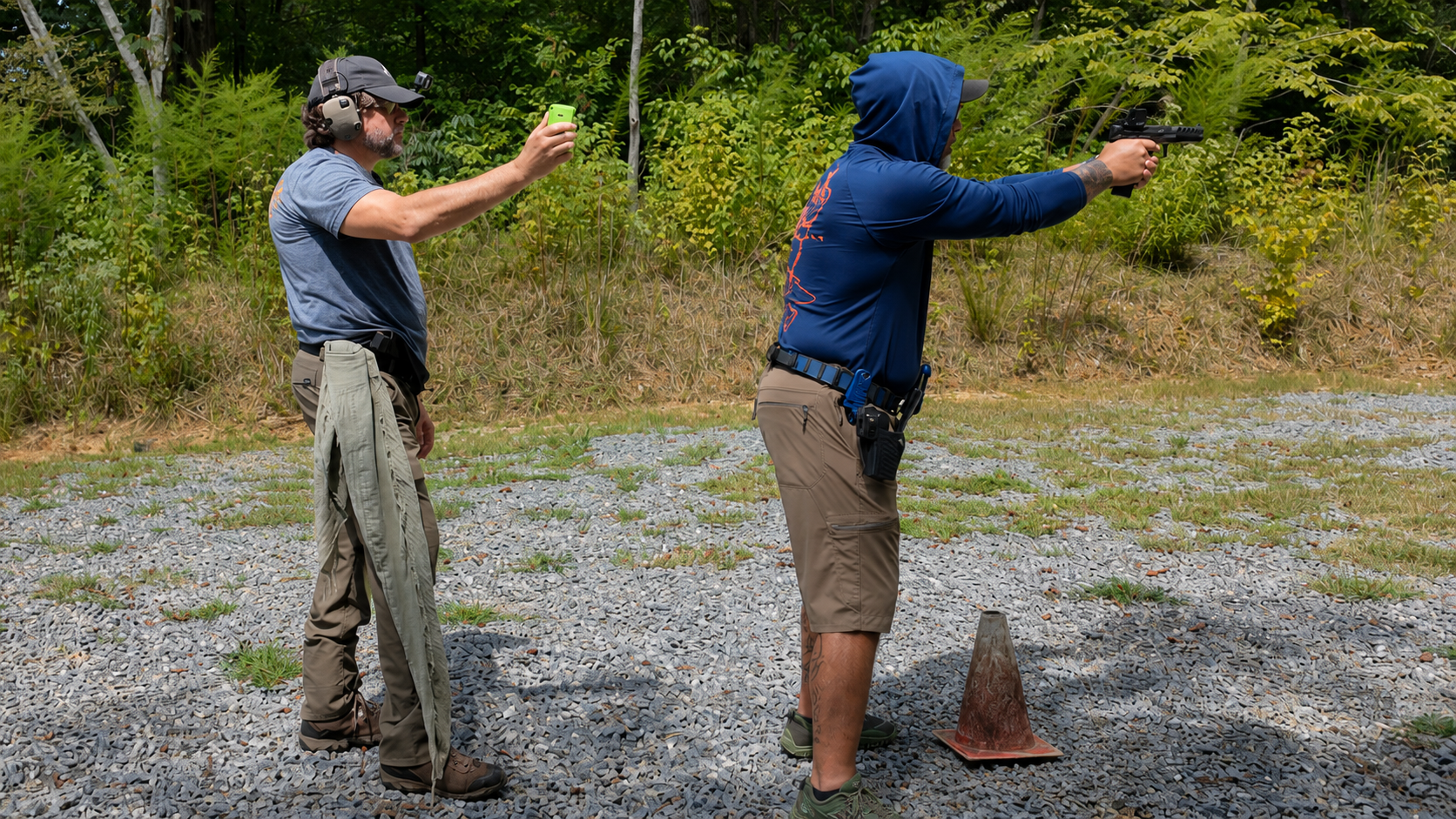
This is also where coaching becomes valuable. Self-education does not mean isolation. A serious self-educator takes responsibility for his own development and deliberately seeks people, environments, and feedback that make self-deception more difficult.
Beyond Repetition
Routine Expertise and Adaptive Expertise
There is a difference between becoming efficient inside familiar conditions and becoming capable when those conditions change. Routine expertise helps us perform known tasks with speed and precision. Adaptive expertise allows us to recognize when the familiar answer no longer fits and to reorganize what we know without abandoning sound principles.
Both matter. Repetition builds the stable foundation. Variation, reflection, and problem solving keep that foundation from becoming a cage.
The C-Tac Standard
This lesson connects directly to the C-Tac program. C-Tac is not built around collecting techniques as fixed answers. It is built around principles, adaptable systems, and the ability to make useful decisions as the environment changes.
In the early stages, students need structure. They need clear positions, repeatable processes, and enough consistency to build a reliable base. As they develop, they must learn to recognize the purpose beneath those positions. Eventually, the question is no longer, “Can you repeat the technique?” The question becomes, “Can you preserve the function when the conditions are no longer ideal?”
That is the standard we want in firearms work, combatives, vehicle-centric defensive tactics, and every other part of the C-Tac curriculum. The principle must survive changes in position, environment, pressure, available tools, and the condition of the practitioner.
A practical adaptation process
- Identify the actual constraint. Do not change a method simply because it feels difficult. Determine whether the issue is pain, structure, timing, understanding, or inconsistent execution.
- Protect the governing principle. Be clear about what the original method was designed to accomplish before changing its visible form.
- Make the smallest useful adjustment. Change one meaningful variable when possible, then observe what it affects.
- Test the adjustment across conditions. Repeat it on later days and under different drills, levels of fatigue, and reasonable pressure.
- Keep evidence, not attachment. Retain the new method if it remains safer, more efficient, and more reliable. Revise it again if the evidence changes.
Certification Is Not Completion
Our culture often treats education as something that ends when a certificate is handed out. People attend a weekend course, receive a title, and begin to act as though the process is complete. I am glad when anyone invests in education, but a certificate should represent a point on the path, not permission to stop walking.
Advanced capability takes time. It requires the willingness to return to fundamentals after years of experience, admit that a familiar method may need refinement, and accept that the next level of performance might look less impressive from the outside.
Comfort can become a ceiling. Once we reach a level that is good enough for the people around us, there is a natural temptation to maintain it. But if your goal is to become unusually capable, maintenance is not enough. You must keep examining the relationship between what you believe, what you practice, and what the results are telling you.
The Responsibility of the Self-Educator
The self-educator takes ownership of this process. He does not wait for a formal curriculum to reveal every weakness. He builds habits that expose weaknesses, seeks informed feedback, and remains willing to update his understanding.
That responsibility includes humility. Knowledge evolves. Wisdom evolves. Our bodies change, the environment changes, and better information becomes available. We have to make room in our training process for those changes without becoming distracted by every new idea that appears.
The answer is not constant novelty. The answer is disciplined curiosity. Study deeply. Practice consistently. Test honestly. Keep what works. Refine what can be improved. Let go of what no longer serves the principle.
The Work Continues
Changing my grip was a small event. The lesson behind it was not small.
Real development is rarely a straight line. We learn, stabilize, test, encounter new constraints, and adapt. Sometimes the adjustment is technical. Sometimes it is physical. Sometimes it is a change in the way we understand the entire problem.
The important thing is to remain in the process long enough to recognize what the work is asking from us. That is how skill matures. That is how experience becomes judgment. That is how we continue becoming more capable.
The certificate may mark the completion of a class.
Mastery begins when you keep going.
The firearms training shown in this article was conducted in a controlled range environment using established safety procedures. Seek qualified instruction and follow all applicable range rules and laws.