
Education, Leadership and the Perpetual Student
Build the Room You Spent Your Life Looking For
Why serious educators must create environments where experienced people can admit uncertainty, exchange knowledge, and pursue what they do not yet know.
I have spent most of my life looking for certain rooms.
They are not always easy to find. They may exist inside a martial arts academy, around a whiteboard, beside a vehicle, on a firing range, at a dinner table, or in a quiet conversation after everyone else has gone home.
What makes them valuable is not the building. It is the quality of the people, the honesty of the conversation, and the shared willingness to pursue something that nobody in the room completely understands yet.
Over more than 45 years of training, teaching, and traveling, I have deliberately sought out educators who possessed information I did not have. Some of the most valuable lessons were not large systems or dramatic revelations. They were small pieces of hard-earned knowledge, the golden nuggets that only appear after someone has spent years examining a problem.
The most valuable room is often the one where experienced people feel safe enough to say, “I do not know.”
At this point in my career, I have realized that my responsibility is no longer simply to find those rooms.
My responsibility is to build them.
The Modern Problem
Information Is Not the Same as Knowledge
We live in a culture overflowing with information. Every time we turn on a phone, open a computer, watch television, or walk through a public space, someone is attempting to place another message in front of us.
The volume can create the feeling that we are learning constantly. But exposure is not understanding, and collecting information is not the same as developing knowledge.
Information becomes useful when we slow down long enough to examine it, connect it to experience, test it, discuss it, and determine where it belongs. Knowledge requires organization. Wisdom requires even more. Wisdom grows as knowledge is tested against time, context, consequences, and the experience of other people.
This is one of the great challenges of the current culture. We can consume so much information that we lose the ability to sit with any of it. We become familiar with thousands of ideas while developing very few of them deeply enough to guide action.
The answer is not to reject information. The answer is to build a better process for handling it.
The Perpetual Student
Knowing That We Do Not Know
It is difficult enough to admit that we do not know something. It is even more difficult to remember that we do not know what we do not know.
There are visible gaps in our understanding. We can recognize those gaps, ask questions, find instruction, and begin filling them.
But there are also gaps we cannot see. We have not encountered the right person, failure, environment, question, or piece of information that would reveal them to us.
This means intellectual humility cannot be a statement we make once. It has to become part of our learning process. We must make a point to question ourselves, our assumptions, and the systems we have built.
Researchers describe intellectual humility as the recognition that our beliefs and knowledge may be incomplete or fallible. It is not weakness, indecision, or a lack of expertise. It is the ability to act on the best information currently available while remaining open to correction. Research on the cognitive and interpersonal features of intellectual humility supports this distinction.
Expertise should improve the quality of our questions, not eliminate our willingness to ask them.
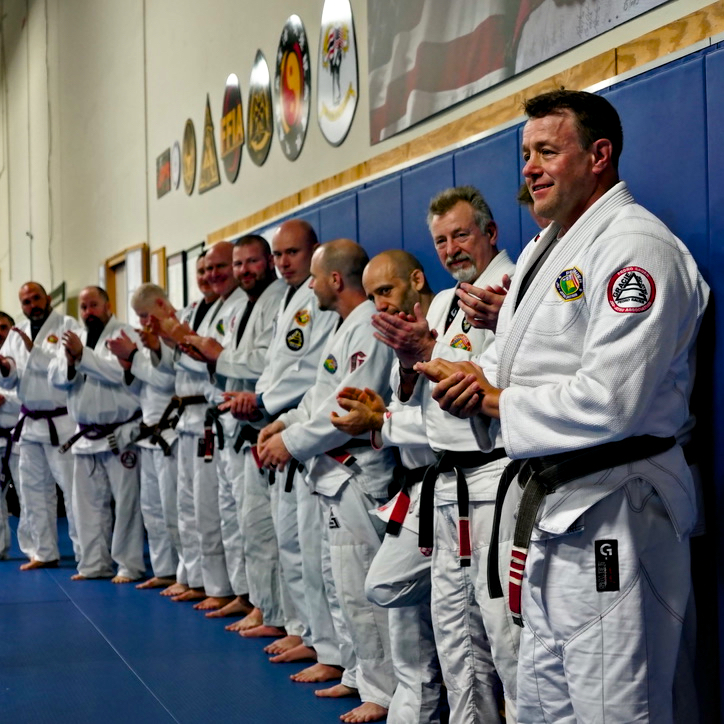
The perpetual white belt is not someone who denies what he has learned. He respects what he has learned enough to keep testing it.
Expose the Gaps
Confidence Is Not Explanation
People often feel that they understand a subject until they are asked to explain how it works in detail.
Researchers Leonid Rozenblit and Frank Keil called this the illusion of explanatory depth. Their research demonstrated that people can believe their understanding is deeper and more complete than it actually is. Attempting a detailed explanation begins to expose the missing pieces.
This has enormous importance for instructors. Feeling confident about a technique, tactic, training method, or curriculum is not the same as being able to explain its purpose, mechanism, limitations, context, and consequences.
A strong educational process should move beyond asking whether we like an idea. It should ask:
Questions That Expose Understanding
- What problem are we actually attempting to solve?
- How does this method produce the intended result?
- What assumptions are we carrying into the process?
- Under what conditions might the method fail?
- What does the environment change?
- What would cause us to revise our current answer?
- What question have we still not asked?
Confidence tells us how certain we feel. Explanation begins to reveal how much we actually understand.
C-Tac Educational Process
Why We Use Thought Tools and Outlines
This is one of the reasons we use thought tools and structured outlines inside C-Tac.
When we are processing information, designing a drill, building a training plan, or developing an entire curriculum, it is easy to become trapped inside our current understanding. We naturally organize the process around what we already know.
A thought tool gives us a structure for questioning that knowledge.
It helps us identify the purpose of the training, the problem we are attempting to solve, the environment in which the skill must function, the decisions the student may face, the safety systems that must be established, and the assumptions we may be carrying into the process.
The outline is not there to make the educator rigid. It is there to keep the educator honest.
The structure guides the thinking, but it should never replace the thinking.
Thought tools also give experienced people a common structure through which they can question, test, and improve the work. Instead of arguing from preference, the group can return to the purpose, required capability, environment, risk, and observable result.
Education researcher John Biggs described the importance of aligning intended outcomes, learning activities, and assessment. His work on constructive alignment provides a useful academic parallel to the practical process we use in curriculum design.
If the real problem, training objective, drill, pressure, and assessment do not align, an exercise may be difficult or impressive without developing the capability it was supposed to produce.

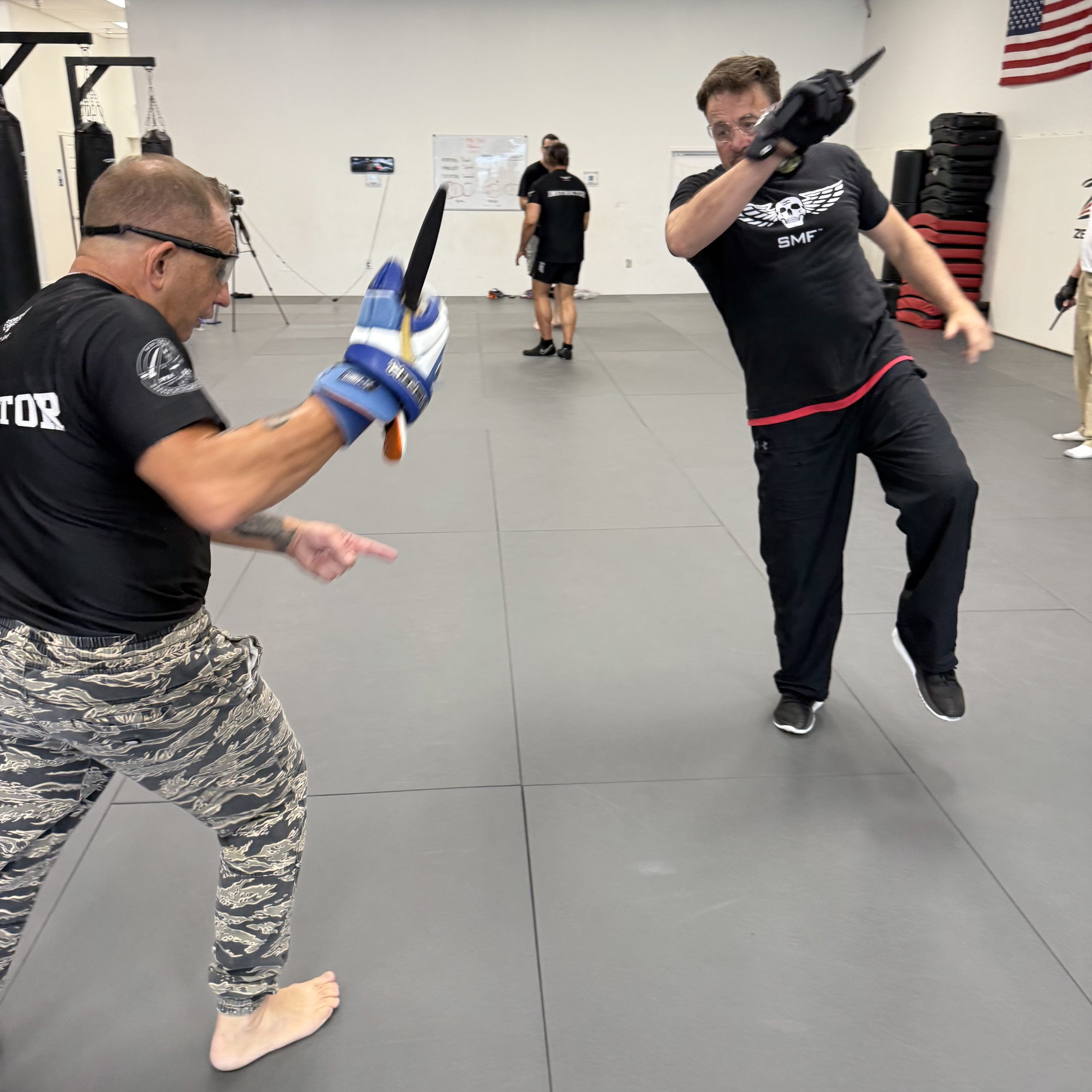
A Living System
Correct the Plan and Question the Thinking
There is a difference between correcting an error inside an existing system and questioning the assumptions that created the system.
Organizational-learning researcher Chris Argyris described this distinction as double-loop learning.
The first loop asks, “Did the drill or training plan work?”
The second loop asks, “Were we solving the correct problem, using the correct assumptions, and measuring the correct outcome?”
Both questions matter. If we only correct execution, we may become more efficient at following a flawed plan. If we only question the plan, we may never develop the consistency required to test it properly.
The process must be stable enough to produce useful information and flexible enough to change when that information reveals a better path.
A Practical Review Process
- State what we intended to accomplish.
- Describe what actually happened.
- Identify where the result departed from the intention.
- Examine the decisions, assumptions, and environmental factors involved.
- Decide what should be retained, revised, removed, or tested again.
- Record the unanswered questions that must remain open.
Research on structured debriefs and after-action reviews supports the value of this kind of guided reflection. A meta-analysis of team and individual debriefs found meaningful improvements in effectiveness, with structure, alignment, and facilitation influencing the result.
Reflection should not be left to chance. It should be designed into the educational process.
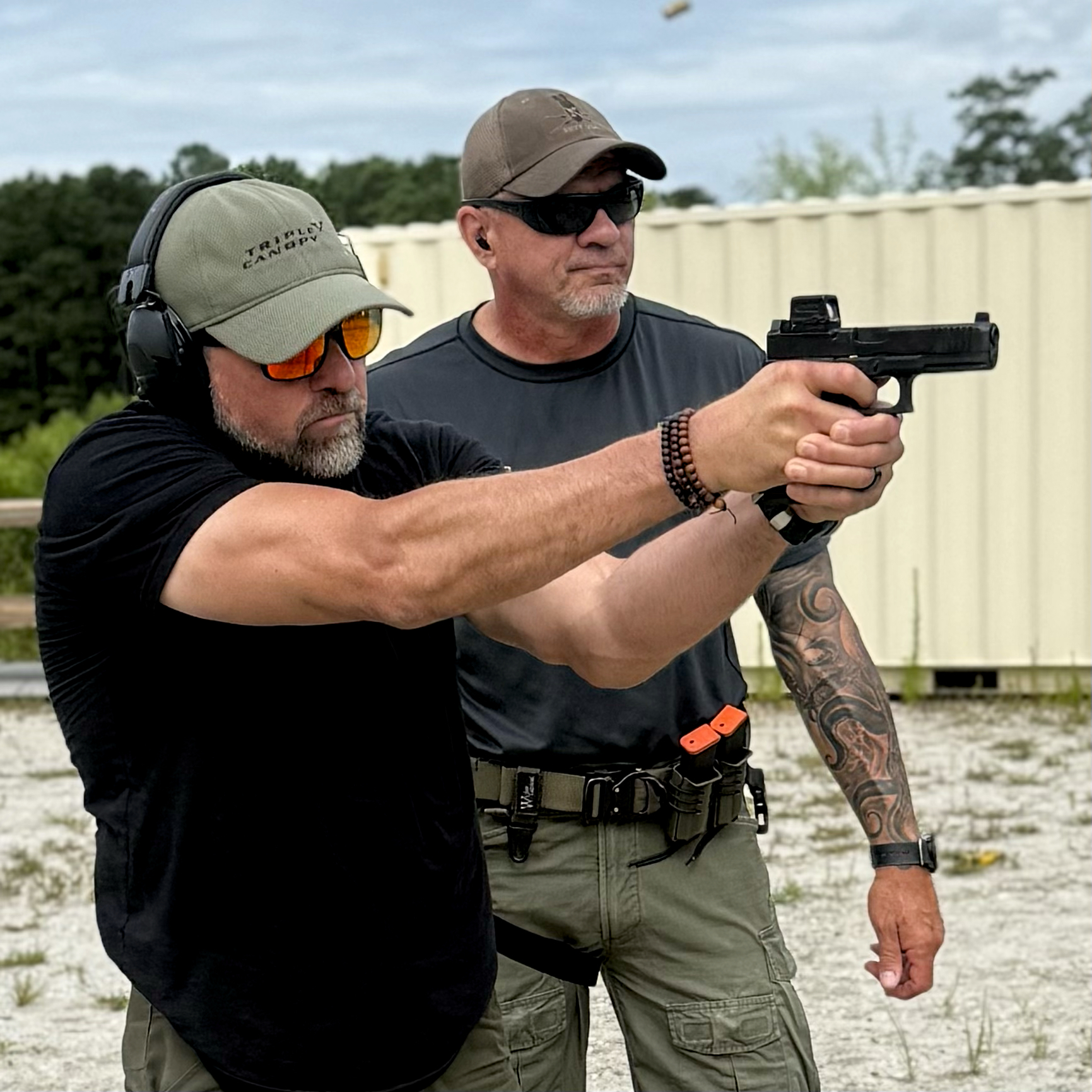
The Culture of the Room
Experienced People Need Permission to Question
A room can contain extremely capable people and still fail to learn.
Status, rank, reputation, and fear of embarrassment can prevent people from asking the questions that would improve the entire group. The more experienced the people become, the more pressure they may feel to appear certain.
This is where the culture created by the senior educator becomes critical.
Amy Edmondson’s research on psychological safety and learning behavior found that teams learn more effectively when people believe the environment is safe for interpersonal risk taking. That does not mean lowering standards or protecting every idea from criticism. It means creating enough trust for people to speak honestly, acknowledge mistakes, offer concerns, and challenge assumptions.
In a serious room, the idea can be questioned without the person being diminished.
The senior educator must model that behavior. If I want instructors to admit uncertainty, I must be willing to do it first. If I want them to challenge an assumption, I must demonstrate that the purpose of the room is improvement rather than protection of my authority.
If experienced people cannot admit uncertainty in the room, the room cannot become more intelligent than the people who entered it.
This is not a room without leadership. It is a room where leadership protects the process through which better answers can be discovered.
Make Space for Growth
Knowledge Evolves and Wisdom Evolves
An idea can be useful today without being the final answer.
As our experience expands, our questions should improve. As the questions improve, the training plan, drill, curriculum, and teaching method should be capable of evolving with them.
If a system is built around protecting what its founder already believes, growth eventually stops. The room becomes an echo chamber, and the process begins defending itself instead of pursuing the truth.
A living curriculum retains its identity without becoming frozen. It preserves its purpose, standards, language, and accumulated knowledge while continuing to examine the methods through which those things are expressed.
This is why documentation matters. Thought tools, outlines, training plans, debriefs, and curriculum notes allow us to remember why a decision was made. They also give future instructors something concrete to question and improve.
A rigid system protects its answers.
An intelligent system protects the process through which better answers can be discovered.
Research note: The academic sources referenced here support the general principles of intellectual humility, explanatory knowledge, psychological safety, structured debriefing, organizational learning, and instructional alignment. They are presented as useful parallels to the C-Tac educational process, not as direct experimental validation of the complete C-Tac curriculum.
The Responsibility of the Senior Educator
Build the Room
I have spent my life traveling, training, asking questions, and looking for people who possessed those rare pieces of knowledge that could change the way I understood a subject.
I still intend to remain a perpetual student. That responsibility does not disappear with experience. It becomes more important.
But there is another responsibility that comes with time.
Eventually, the educator must create the environment he once needed. He must gather serious people, protect honest inquiry, provide thought tools, preserve what has been learned, and leave enough open space for knowledge that has not yet arrived.
The room should challenge passive consumption. It should encourage active self-education. It should allow people to test ideas, compare experience, question assumptions, and pursue the unknown without pretending that uncertainty is failure.
Do not build a room that only preserves what you already know.
Build a room where knowledge and wisdom have permission to continue evolving.