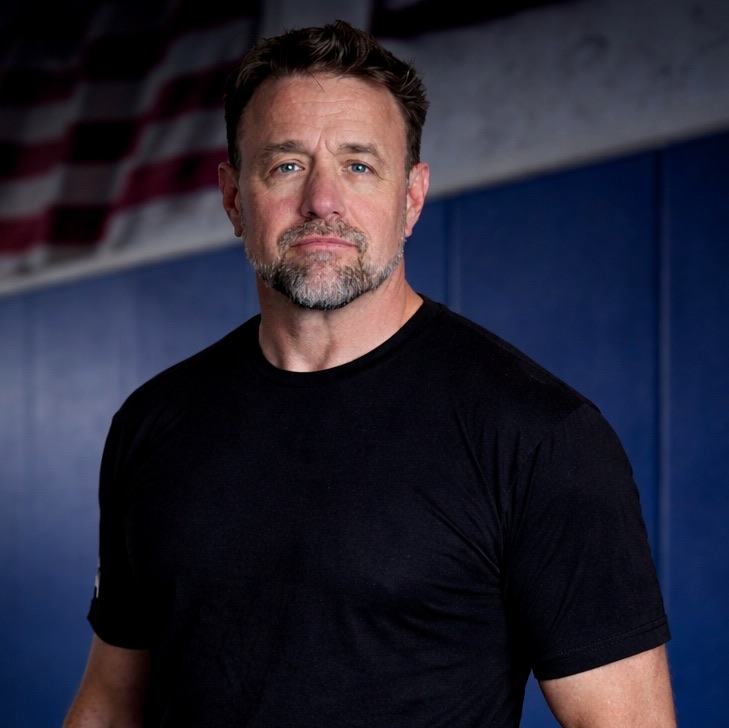
Tactical 21 • Jim Foreman • Pistol Fundamentals
Training Pistol Fundamentals With Jim Foreman: Smooth Draws, Trigger Control, and Shooting Under Pressure
In this lesson, Sifu Alan Baker trains with retired Navy SEAL Command Master Chief Jim Foreman, studying pistol fundamentals, draw mechanics, trigger control, and the importance of smooth execution under pressure.
Video Guide
In This Video
- 00:00 Introduction with Jim Foreman
- 00:46 Beginning with basic pistol work
- 01:31 Slow draw observation
- 01:55 Jim breaks down Alan’s draw mechanics
- 02:44 Meeting the hands and extending the pistol
- 03:02 Head plate drill and trigger control
- 04:16 Drawing and shooting one head plate
- 04:58 Correction on draw speed
- 05:52 Five plates from the draw
- 06:36 Smooth draw, trigger break, and missed shots
- 07:46 Building the press while extending
- 08:18 Increasing speed gradually
- 09:15 Final smooth draw and clean hit
Media Description
Elite Instruction Begins With The Basics
Today I am training with retired Navy SEAL Command Master Chief Jim Foreman, a man with more than 27 years of experience in the SEAL Teams.
This is part one of a 3-part series where we cover pistol, carbine, movement, and shooting under pressure. In this first session, Jim takes me back to the fundamentals: stance, draw, grip, sight picture, trigger control, and learning how to shoot smoothly before trying to shoot fast.
That is one of the first lessons serious students have to understand. Advanced performance is not built by ignoring the basics. Advanced performance is built by refining the basics until they can hold up under speed, stress, and pressure.
Jim walks me through each step, correcting my mechanics in real time and explaining the same principles he taught inside the SEAL Teams. If you want to understand why your shots miss, why trigger control matters, or how elite operators train fundamentals, this lesson is worth studying.
The basics are not beneath the serious student. The basics are where performance is built.
Capability Academy PrincipleTraining With Jim Foreman
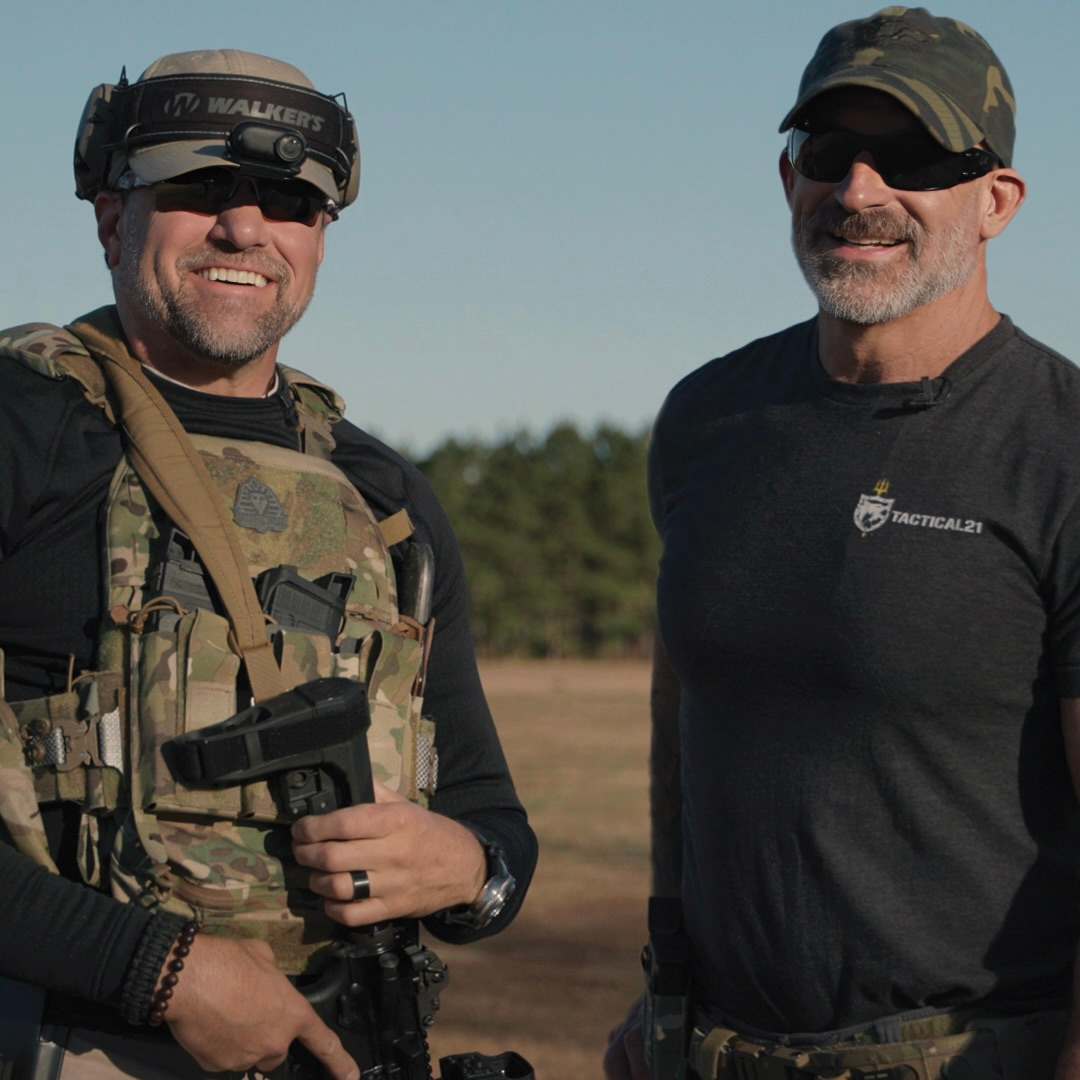
Sifu Alan Baker with retired Navy SEAL Command Master Chief Jim Foreman. This lesson focused on pistol fundamentals, draw mechanics, trigger control, and smooth shooting under pressure.
Jim Foreman serves with Tactical 21 as Director of Military and Executive Leadership Programs, Lead Combat Tactics Instructor, and a specialist in Logistics and Mobility.
Jim retired in 2018 after 27 years in the United States Navy SEALs, rising through the ranks to become a Command Master Chief. During his career, he also served as a Squadron Master Chief, an Operations Master Chief for a command with 2,000 SEALs, and finally as a Training Master Chief responsible for overseeing leadership development and training operations for East Coast based U.S. Navy SEAL Teams.
His background includes 18 combat deployments in twelve countries. He has been awarded a Silver Star, eight Bronze Stars, a Purple Heart, and five Presidential Unit Citations. In his final year of active duty, Jim wrote the Standard Operating Procedures Handbook for leadership roles and responsibilities among the U.S. Navy SEAL Teams, a document adopted by Naval Special Warfare and considered required reading for the next generation of SEAL leaders.
That kind of experience matters because Jim’s instruction is not based on theory alone. He has spent decades inside environments where performance, discipline, precision, leadership, and execution carry real consequences.
Key Lessons From The Range
Smooth Beats Rushed
Jim emphasized that speed should come from clean mechanics, not tension, panic, or jerking the trigger.
The Draw Has Phases
The first movement to the grip can be fast, but the extension and trigger press must stay controlled.
Misses Reveal Mechanics
When shots miss, the target gives feedback about trigger control, anticipation, sight alignment, and grip.
Why Start With Basic Pistol Shooting?
Jim began the lesson with basic pistol shooting because everything else depends on it.
Before movement, before pressure, before carbine work, before faster drills, and before more complex problems, the shooter has to understand the pistol. The shooter has to know how to stand, how to draw, how to build the grip, how to pick up the sights, and how to press the trigger without disturbing the gun.
That may sound simple, but simple does not mean easy.
A lot of missed shots come from small errors that happen quickly: moving the head, searching for the holster, building the grip late, rushing the extension, anticipating recoil, or crunching the trigger at the last moment.
Jim’s coaching in this lesson was valuable because he did not just watch the target. He watched the process. He observed how the gun came out of the holster, how the hands met, how the pistol extended, and what happened at the trigger.
That is how good coaching works. It looks for the cause, not just the result.
The Draw: Fast To The Gun, Smooth To The Shot
One of Jim’s most useful corrections was the way he explained speed during the draw.
He pointed out that the first part of the draw should be fast. Getting to the gun and establishing the grip should happen quickly and decisively. But once the gun is coming up, everything else has to stay mechanical, smooth, and controlled.
That is an important distinction.
Many shooters try to make the entire draw one rushed action. They snatch the gun, throw it forward, and then yank the trigger when the sights appear. That creates tension. Tension affects the hands. The hands affect the gun. The gun affects the shot.
Jim’s correction was simple: be fast where speed helps, and smooth where control matters.
That is a principle that applies far beyond shooting. Speed without control can create failure. Control without appropriate speed can be too slow. Capability is learning how to balance both.
Be fast where speed helps. Be smooth where control matters.
Range LessonMeeting The Hands And Building The Shot
Jim also broke down how the support hand comes to the chest and meets the firing hand as the pistol comes up.
The head stays still. The eyes stay on the target. The shooter does not look for the holster. The body already knows where the gun is. The pistol comes up, the hands meet, the grip is built, and the gun begins to extend toward the target.
Jim pointed out that, if needed, the shooter could fire from a compressed position. If that is not required, the pistol continues to extend until the sights are confirmed and the trigger press completes.
This is not random movement. It is a sequence.
The better the sequence, the more repeatable the performance becomes. The more repeatable the performance becomes, the easier it is to diagnose what went wrong when a shot misses.
The Head Plate Drill And Trigger Feedback
Jim then moved into a head plate drill.
The purpose was not simply to hit small steel targets. The purpose was to reveal what was happening at the trigger. When the target is smaller, the shooter cannot hide from poor trigger control. If the shooter anticipates recoil, crunches the trigger, or disturbs the gun during the press, the miss appears immediately.
That kind of feedback is valuable.
A good drill should tell the truth. It should reveal whether the shooter is seeing the sights, managing the trigger, and staying relaxed enough to let the shot break cleanly.
Jim described the shot as needing to feel like a surprise. The shooter is not trying to violently command the gun to fire. The shooter is pressing smoothly until the shot breaks.
That is where discipline lives. The student has to let the mechanics work.
Pressing The Trigger On The Way Out
Later in the lesson, Jim introduced another important idea: begin managing the trigger as the gun is extending.
The goal was not careless speed. The goal was understanding where the trigger breaks and learning how to make the shot happen as the pistol arrives, instead of waiting until the gun is fully extended and then yanking the trigger.
This is one of the reasons the drill had to be done in a safe range environment under instruction. Jim was helping me learn where the trigger was, how the gun behaved, and how to time the trigger press with the extension.
When done correctly, the shot becomes smoother and faster. When done incorrectly, the shooter may rush the press, disturb the sights, and miss the target.
That is why the process matters. Speed has to be built on top of clean mechanics.
Relaxation Under Speed
One of the quieter but important lessons in this video is relaxation.
Jim pointed out that if the shooter does not relax, they are more likely to crunch the trigger as the gun extends. Tension in the body shows up in the hands. Tension in the hands moves the gun. Movement in the gun changes the shot.
The more pressure the shooter feels, the more important relaxation becomes.
That does not mean being casual. It means removing unnecessary tension. The body has to be organized, alert, and ready, but not locked up.
This is something we see in martial arts as well. A tense student is often slower, less adaptive, and less aware. A relaxed but disciplined student can move, feel, adjust, and respond.
In shooting, relaxation helps the shooter press the trigger without fighting the gun.
Capability Principle
Capability is built when fundamentals can hold up under speed, stress, and correction.
In this lesson, the pistol becomes a feedback tool. The draw reveals preparation. The sights reveal attention. The trigger reveals discipline. The target reveals the truth.
Jim’s coaching shows why serious instruction matters. He does not simply tell the student to shoot better. He identifies the mechanic, explains the principle, adjusts the process, and lets the target confirm the result.
That is how information becomes capability.
Why This Matters Beyond The Range
This lesson is about pistol shooting, but the larger principle applies everywhere.
If you want better performance, you have to be willing to return to the fundamentals. You have to let a qualified coach see what you cannot see. You have to accept correction in real time. You have to repeat the basics until they become reliable under pressure.
That is true in shooting. It is true in martial arts. It is true in leadership. It is true in business. It is true in life.
The serious student does not chase complexity to avoid correction. The serious student goes back to the root and makes the root stronger.
That is why training with people like Jim Foreman is so valuable. He brings decades of elite operational experience, but he still begins with fundamentals. That tells you something important.
The basics never stop mattering.
Training With Tactical 21
Jim Foreman is part of the Tactical 21 instructor team, and Tactical 21 continues to be one of the training partners I value because of the level of real experience and professionalism they bring to the table.
Their team includes people with backgrounds in firearms instruction, medical training, law enforcement, military service, executive protection, defensive tactics, and leadership. That creates a serious training environment for students who want more than surface-level information.
You can learn more about Tactical 21 at tactical21.com.
FAQ
Who is Jim Foreman?
Jim Foreman is a retired Navy SEAL Command Master Chief with 27 years in the SEAL Teams. He serves with Tactical 21 as Director of Military and Executive Leadership Programs, Lead Combat Tactics Instructor, and a specialist in Logistics and Mobility.
What is this video about?
This video is part one of a 3-part series focused on pistol, carbine, movement, and shooting under pressure. This first session focuses on pistol fundamentals, draw mechanics, trigger control, and smooth shooting.
Why does Jim start with basic pistol fundamentals?
Fundamentals support everything else. Before speed, movement, and pressure are added, the shooter needs a reliable draw, grip, sight picture, and trigger press.
What does the head plate drill teach?
The head plate drill exposes trigger control, anticipation, sight management, and whether the shooter is disturbing the gun during the press.
How does this connect to the Capability Academy?
This connects to the Academy because it shows how capability is built through fundamentals, coaching, correction, pressure, and honest feedback.
Sifu Alan Baker
Founder of the Capability Academy
Shift Your Perspective, Take Action, And Forge Your Path To Greatness