
More Than a Certification
Building PRT instructors through proximity, consistency, and intelligent education.
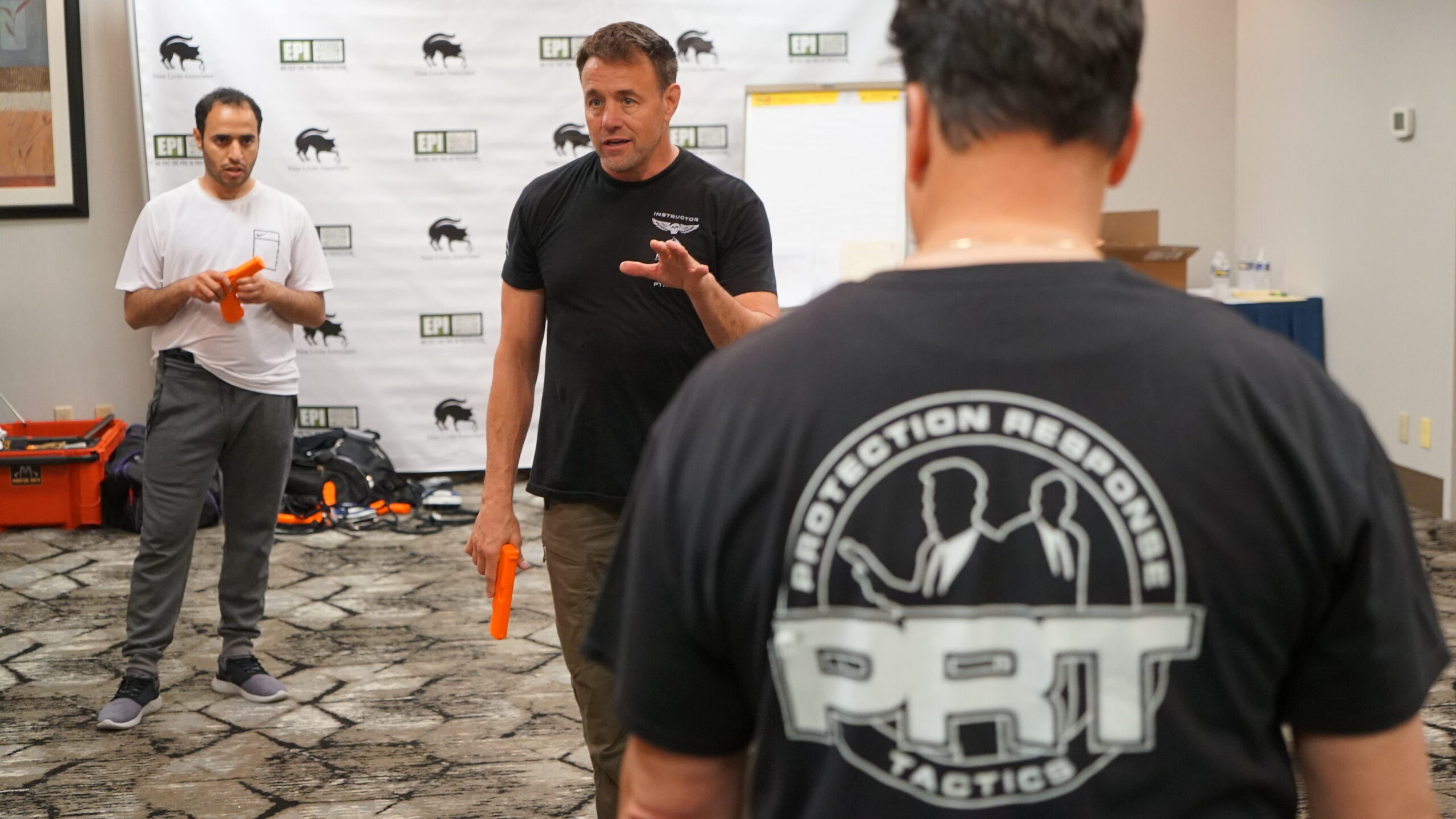
Last week, we held a four-day Protection Response Tactics instructor training camp. Two days were dedicated to Level Two instructor development, and two days were dedicated to Level One.
The structure of the camp reflects something important about the PRT program: instructor development is not a weekend certification event. It is a process that requires time, consistency, coaching, and commitment.
The PRT program is organized into six phases of instruction. Generally, each instructor level covers two phases. Instructors who reach Level Two certification are prepared to teach the first four phases of the program.
Find the right room, then return to it.
If you want to become good at something, you have to find the right room and then return to that room consistently. You have to spend time around people who are doing the work at a high level. You have to observe, participate, ask questions, receive feedback, and allow your understanding to develop over time.
There is a difference between being exposed to information and actually developing skill.
You can watch a technique and still not understand it. You can understand a technique and still not know how to teach it. You can teach a technique in a calm environment and still not know how to coach someone through the pressure, confusion, and changing conditions of a real protection environment.
This is why PRT instructor development is designed as an ongoing process. Certified instructors have access to multiple instructor training events during their certification period, allowing them to continue returning to the room, refining their understanding, and developing their ability to teach.
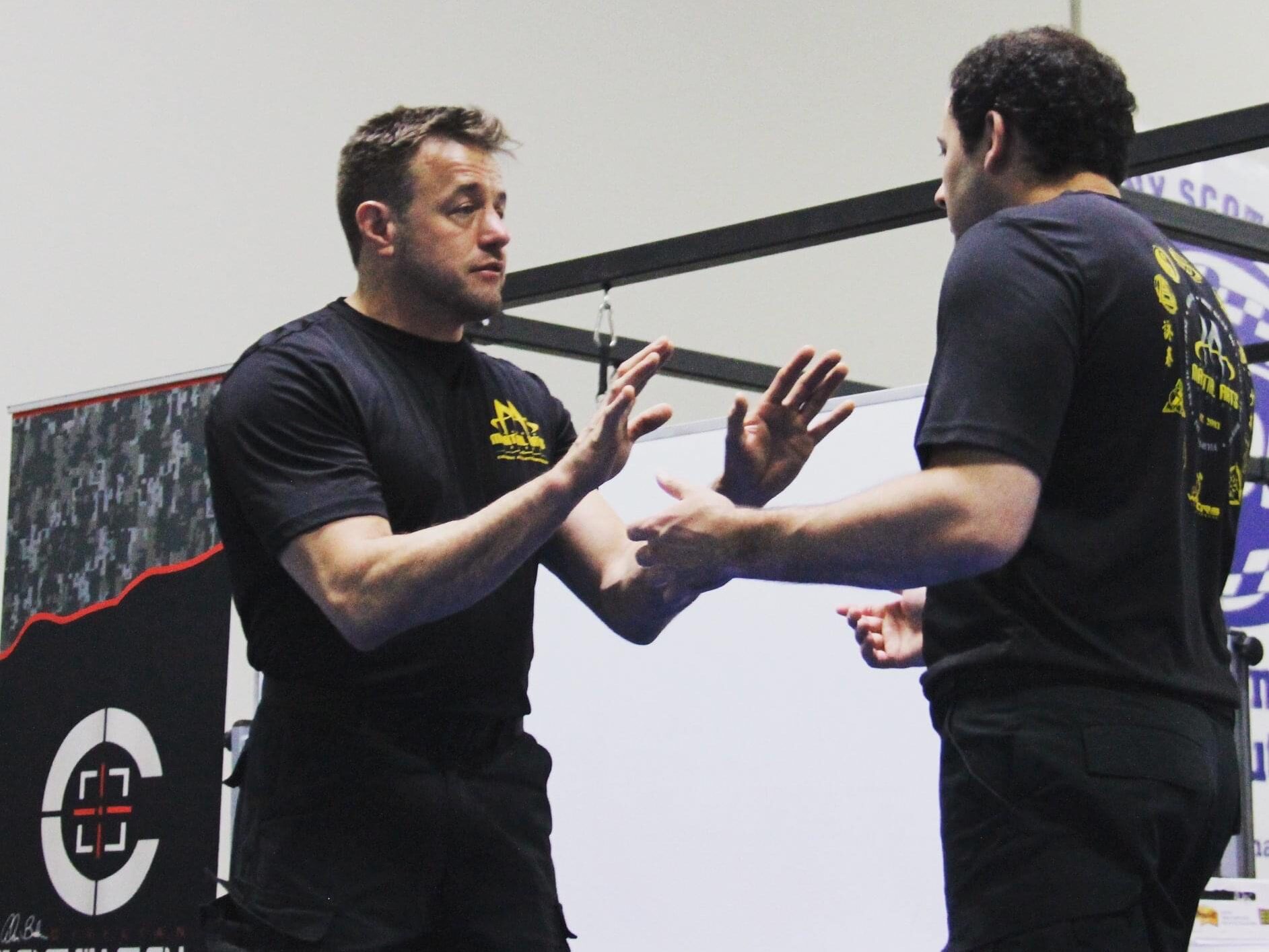
Attendance is only the beginning.
Proximity alone is not enough. You also need consistency.
Getting into the room once can give you information. Returning to the room repeatedly gives you perspective. Over time, consistency allows you to see patterns. You begin to recognize where students struggle. You become more aware of the difference between demonstrating something and teaching it.
An instructor is developing physical skills, organization, observation, coaching, safety judgment, and the ability to build useful training experiences. That is a different responsibility than simply being able to perform a technique.
Hard training still has to be intelligent.
Across the martial arts and defensive tactics industries, it is common to see programs built around lists of techniques. Sometimes those techniques are simply regurgitated from a traditional martial arts system and presented as self-defense or defensive tactics.
Martial arts can be an excellent source of information, experience, and physical development. However, martial arts and protection work do not always have the same mission.
A protection professional is not training to win a contest or prolong a fight. The responsibility is to reduce risk, manage the environment, create movement, protect the client, and make a defensible decision under pressure.
I am not saying that hard training has no value. I am saying that intensity by itself does not create intelligent development. If the training is poorly designed, high intensity can reinforce poor habits, create unnecessary risk, or give students the feeling that they are progressing when they are only becoming more comfortable inside a poorly structured exercise.
Instructors Need Educational Tools
Instructors have to be trained differently from students. They need tools for helping other people learn, but those tools also have to improve the instructor’s own thinking.
They need to understand how to develop attributes, build a useful body state, manage attention, and work with the mental state of the student. I sometimes refer to this as mind boxing. The instructor has to understand what is happening physically, mentally, emotionally, and environmentally.
A good instructor must be able to see where the gaps are. They must understand how to break down a complex problem, identify the underlying principle, build a progression, and then bring the pieces back together.
An instructor is not simply someone who has a list of things they can show you when you arrive. An instructor should be able to help you understand the problem, develop the necessary attributes, recognize errors, and make better decisions as the situation changes.
The Capable Academy
One of the things that makes several of our programs unique is the specialized and highly organized methodology we use to develop both students and instructors.
Our instructors are not simply given information and expected to repeat it. They are given mind tools, universal principles, thought tools, and other educational processes that help them become more effective in what they teach.
We have developed and refined these tools through nearly 50 years of teaching. They have been shaped through experience in martial arts, defensive tactics, protection work, physical culture, self-leadership, and several other professional environments.
Some of these ideas were influenced by our previous training and experience. Others were developed, tested, and organized through our own work. Together, they form an educational architecture designed to help people understand how learning becomes capability.
The Capable Academy is the umbrella platform that holds these educational tools, principles, and development processes. Our other programs, including Protection Response Tactics, operate within that larger structure.
PRT has a specific mission. It prepares protection professionals, instructors, and organizations to manage risk, protect people, and make defensible decisions under pressure. The Capable Academy provides the broader educational foundation that supports that work.
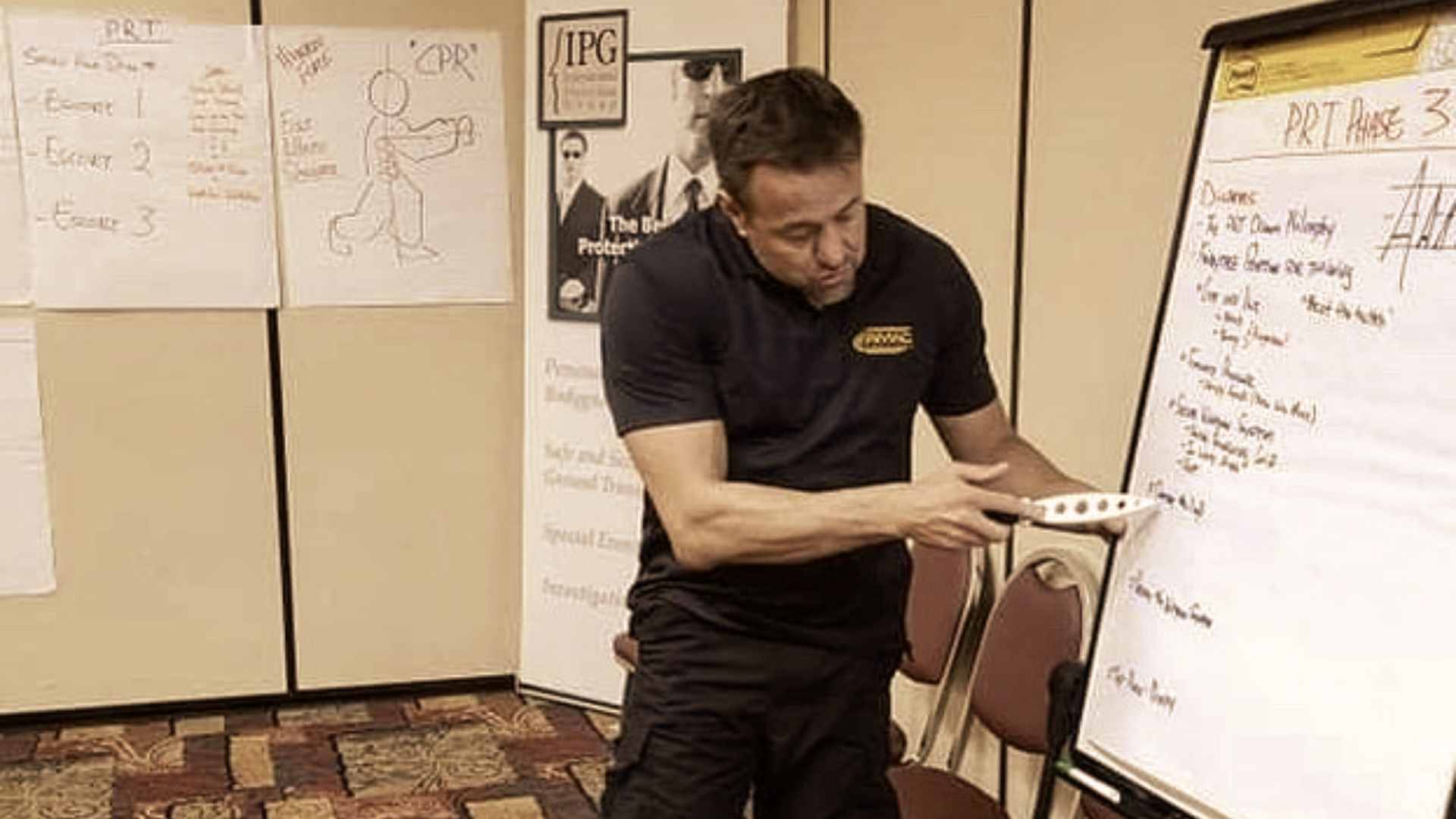
Developing capability, not simply repeating information.
Protection Response Tactics is designed for professionals responsible for protecting other people. That includes executive protection professionals, private and corporate security teams, instructors, training directors, and organizations responsible for personal safety.
The program focuses on the decisions and actions required when protection is the mission. That includes managing risk, responding proportionally, moving people through changing environments, and making defensible choices under pressure.
That mission requires more than physical ability. It requires judgment, communication, awareness, adaptability, and the ability to train those qualities in others.
Progress requires honest review.
When I look back at last week, I believe we achieved the goals we set for the camp. At the same time, we identified several areas where we can improve. That is an important part of the process.
A serious training program should not pretend that it has reached a final form. It should continue to examine itself, identify weaknesses, and evolve.
Teaching instructors is difficult when you take the responsibility seriously. Being a good educator requires more than knowledge. It requires patience, observation, preparation, humility, and the willingness to keep improving your own process.
We are not interested in creating instructors who can merely repeat techniques. We are working to develop instructors who can understand protection problems, make intelligent decisions, teach with clarity, and help other people become more capable.
That requires proximity. It requires consistency. It requires the willingness to return to the room, do the work, and continue learning.
That requires proximity. It requires consistency. It requires the willingness to return to the room, do the work, and continue learning.
Founder of The Capable Academy
Shift Your Perspective, Take Action, And Create Change

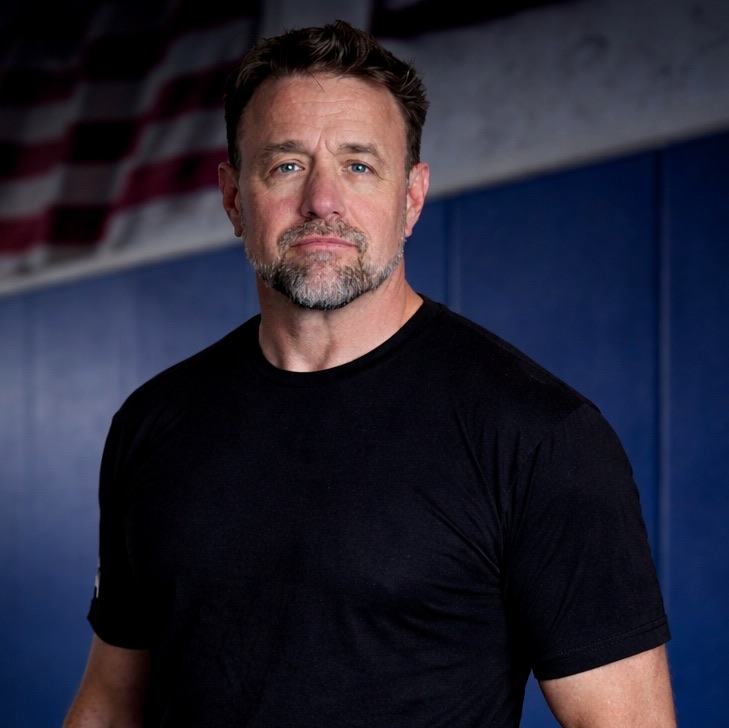
Alan Baker
Alan Baker is an internationally recognized educator, author, and founder of The Capable Academy. For more than 47 years, he has studied, tested, and taught martial arts, defensive tactics, self-protection, physical culture, and self-leadership. His work has reached students, instructors, martial artists, law enforcement personnel, and executive protection professionals around the world.
Alan is the author of five books addressing self-leadership, physical culture, and self-defense. He has also worked as a professional protection agent and has served on the faculty of the Executive Protection Institute for nearly 20 years, helping educate and prepare protection professionals for the demands of the field.
He created the C-Tac System to close the gap between traditional martial arts and the realities of modern civilian protection. C-Tac integrates awareness, preparedness, communication, defensive skills, and intelligent decision-making within one responsible, capability-based training system.
Learn more about AlanExplore Protection Response Tactics
If you would like to learn more about PRT, the instructor development pathway, or how the program is designed for protection professionals and training organizations, visit the official website.
Explore Protection Response Tactics