
Self-Education, Practical Skill and Service
The Capable Life
Education should change what you can do, how you think, how you respond, and what you are capable of contributing to the people around you.
Education Should Change the Person
We live in an age of extraordinary access to information. That access is valuable, but it can also create an illusion. We can consume a great deal, remember a little, and still believe we are growing.
Information is not the same thing as education. Education is not the same thing as understanding. Understanding is not the same thing as capability.
Capability appears when knowledge has moved far enough into the person that it changes perception, judgment, behavior, and performance. It becomes visible in what you notice, the decisions you make, the problems you can solve, and the responsibility you can carry.
This distinction has shaped much of my work in martial arts, defensive tactics, leadership, and personal development. It is also central to The Capable Academy. We are not trying to collect ideas as decorations. We are trying to develop human beings who can use what they learn.
Knowledge Must Survive Contact With Reality
It is possible to know the vocabulary of a subject without possessing the subject. A person can explain a principle, repeat a definition, or recognize the correct answer and still be unable to apply it when the environment changes.
That gap matters. Research on learning transfer shows that people are more likely to use knowledge in a new situation when they understand the underlying structure of the problem. Retrieval practice strengthens this further because the learner must actively produce knowledge rather than merely recognize it on a page.
In practical education, this means we need more than exposure. We need recall, application, feedback, correction, and another attempt. We need environments that gradually ask the learner to carry more of the decision-making burden.
Learn
Acquire sound principles, useful models, and accurate information.
Think
Question, compare, organize, and test the meaning of what you have learned.
Apply
Move the idea into drills, decisions, projects, conversations, and real work.
Adapt
Use feedback to refine the process when conditions change.
What Growth Looks Like in Practice
Capability is larger than a collection of techniques. It is a set of connected qualities that allow a person to function with greater intelligence and effectiveness.
See More Clearly
A trained person notices patterns, changes, risks, and opportunities that an untrained person may miss.
Choose More Wisely
Knowledge becomes useful when it improves the quality and timing of decisions.
Carry More Load
Physical, emotional, and cognitive capacity determine what you can sustain under pressure.
Produce an Outcome
Skill is demonstrated through performance, not merely through description.
Adjust Without Losing the Mission
A capable person can change tactics while preserving the principle and objective.
Connect the Parts
The deepest growth occurs when separate lessons become one working system.
A Complete Person Is Not Built in One Room
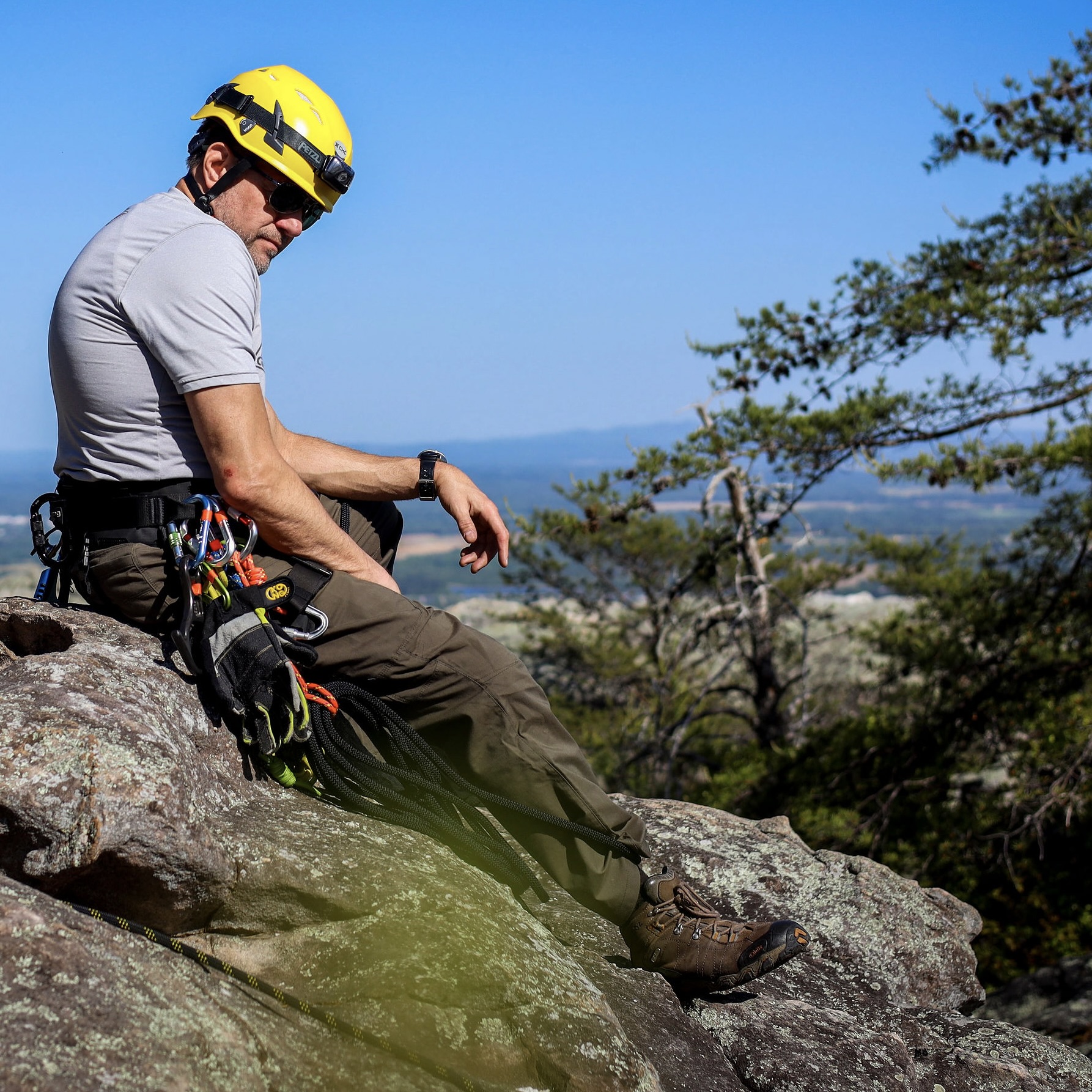
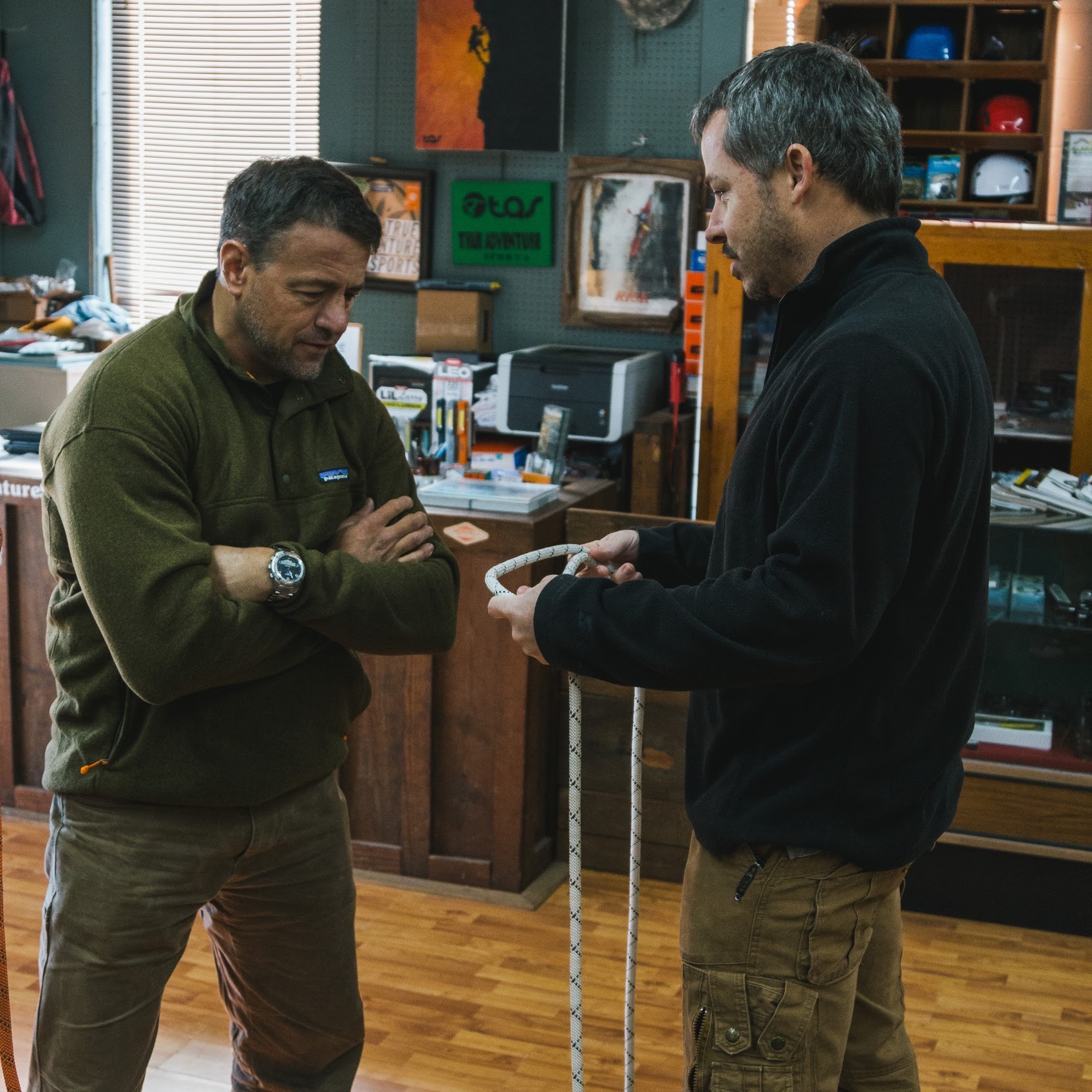
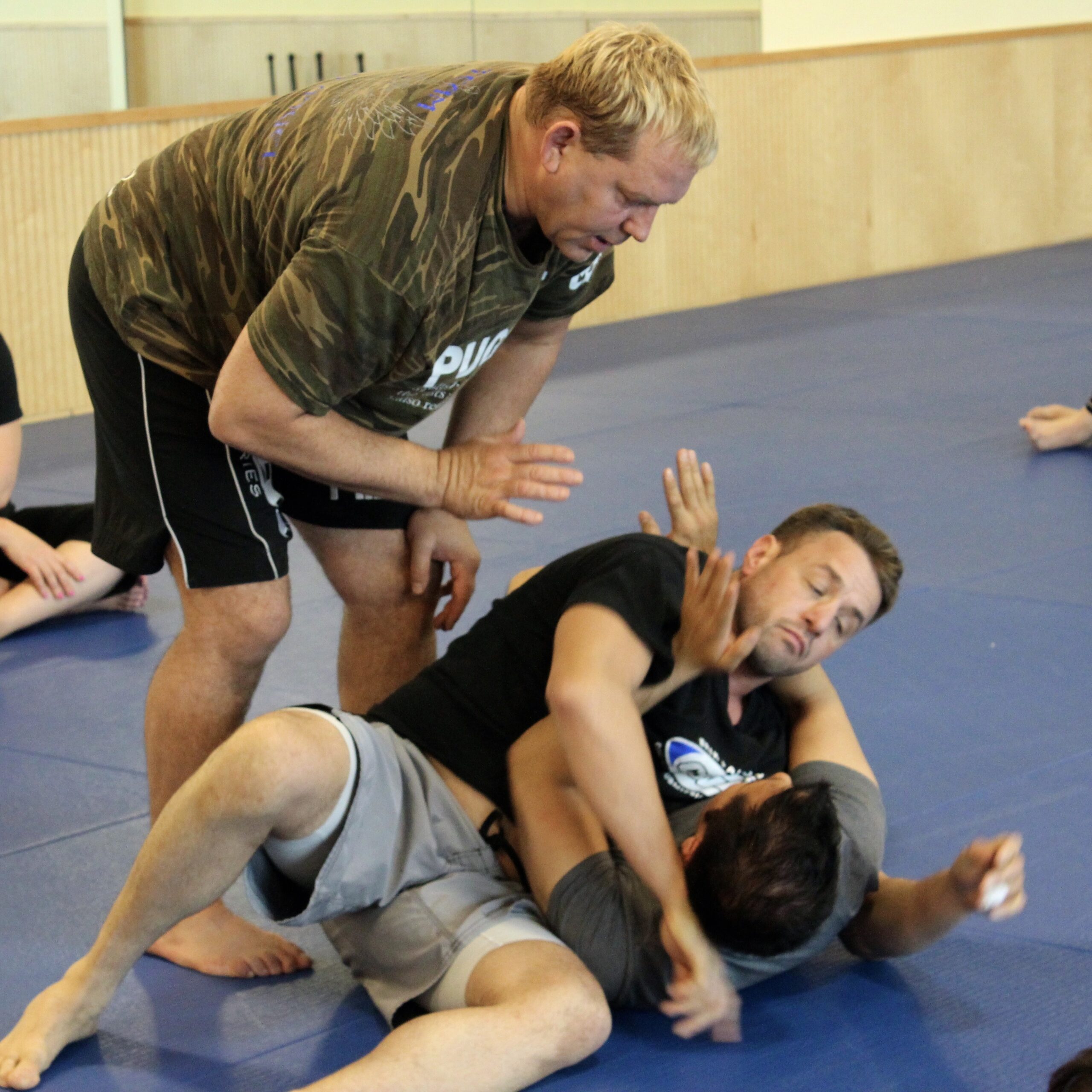
No single environment can develop every expression of capability. A classroom can help us organize ideas. A training floor can reveal weaknesses in movement and timing. A conversation with an experienced educator can expose assumptions. A difficult project can test our ability to plan and follow through. A demanding physical environment can show us what remains when comfort disappears.
Each environment asks different questions. That variety is important because learning that remains tied to one setting can become fragile. We want knowledge that travels.
At the same time, variety should not become randomness. The environments need a purpose. They should be selected because they develop a specific quality, provide useful feedback, or help the learner transfer a principle into a new context.
This is why intelligent pressure matters. Pressure can reveal what is stable, but it can also program poor responses if the exercise is badly designed. The answer is not to avoid difficulty. The answer is to build toward it with sound habits, clear standards, and enough preparation that the learner can grow from the experience.
Take Ownership of the Person You Are Becoming
One of the core ideas in The Scholar Code is that the scholar is a self-educator. This does not mean rejecting teachers. It means refusing to make another person completely responsible for your growth.
A teacher can open a door, offer a map, correct an error, or introduce you to an important body of knowledge. The student still has to walk, observe, practice, reflect, and continue the process when the teacher is no longer in the room.
- Build a personal curriculum. Make a deliberate list of the abilities, questions, and subjects that matter to the life you are trying to build.
- Design your learning environment. Put yourself near serious practitioners, useful books, challenging projects, and honest conversations.
- Protect time for study. What is not scheduled is easily displaced by whatever feels urgent.
- Practice retrieval. Close the book and explain the idea. Reconstruct the process. Teach it. Test whether you can produce it without the prompt.
- Move into application. Use the idea in a drill, plan, project, or real decision where consequences and feedback exist.
- Seek correction. Feedback is not an attack on identity. It is information about the current quality of the work.
- Revisit the curriculum. Knowledge evolves, experience changes you, and new questions should alter what you study next.
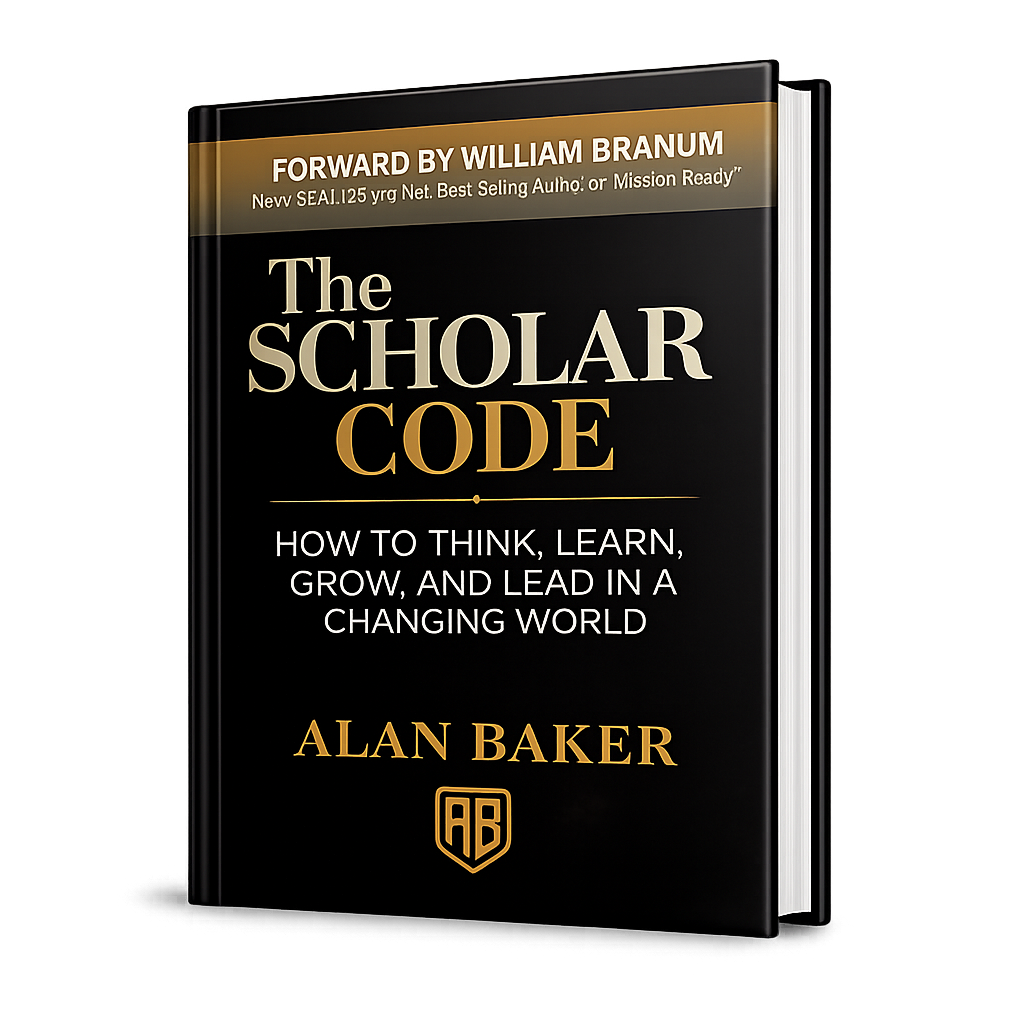
The Scholar Code
The book explores the mindset, discipline, thought tools, and personal responsibility required to become a lifelong self-educator.
Explore the BookMake Space for What You Do Not Know
The self-educator must be willing to question the current version of his own understanding. We do not know what we do not know, and the problem becomes more dangerous when confidence convinces us to stop looking.
Intellectual humility is not weakness. It is the ability to hold a position while remaining willing to examine the evidence, listen to a qualified challenge, and revise the model when reality demands it. Research has connected intellectual humility with mastery-oriented learning behaviors, openness to feedback, and a greater willingness to engage difficult material.
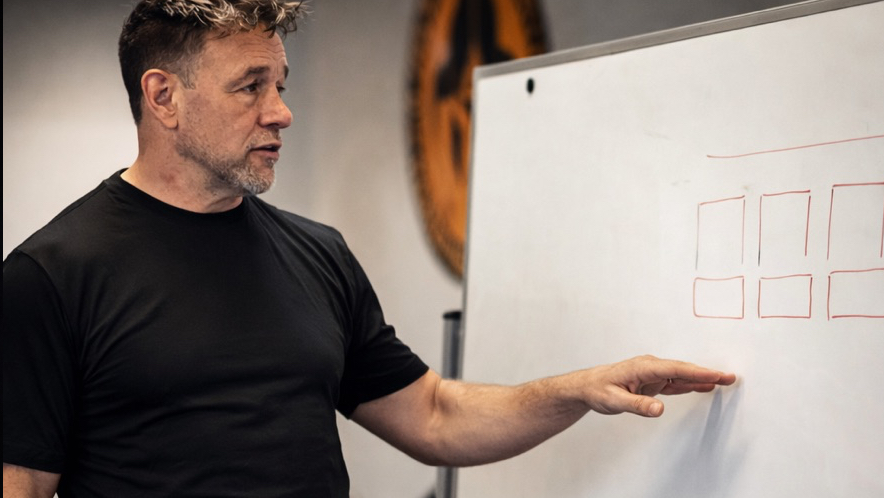
This is one reason we use thought tools and outlines in C-Tac when processing information or building training plans and curricula. A whiteboard, decision tree, checklist, or mind map helps make thinking visible. Once the structure is visible, the team can question assumptions, identify missing pieces, and improve the process before pressure makes the cost of an error much higher.
The perpetual white-belt mentality is not an attempt to deny experience. It is a discipline that keeps experience from becoming a cage. A senior educator should possess standards and earned confidence, but should also remain capable of saying, “I may be missing something.”
Growth Carries Responsibility
Personal capability is valuable, but it should not end with the self. The stronger question is what your development allows you to contribute.
Can you protect more effectively? Can you teach with greater clarity? Can you lead without creating unnecessary chaos? Can you solve a problem for your family, organization, or community? Can you build an environment where other people become more capable?
This is where education becomes service. Your knowledge becomes useful beyond your own identity. You are able to carry responsibility, create structure, and help another person move farther than they could have moved alone.
Why The Capable Academy Exists
The Capable Academy exists to support this kind of integrated development. The goal is not simply fitness, self-defense, leadership, or scholarship in isolation. The goal is a more complete human being who can think, move, decide, adapt, and contribute.
We study the mind and the body. We use structured education, practical training, reflection, and community. We respect depth. We also insist that depth eventually become usable.
Questions for the next stage of your education
- What do I know that I cannot yet apply?
- What ability would most improve my life during the next year?
- Which environment would reveal the truth about my present level?
- Where am I relying on recognition instead of genuine recall?
- Who can provide qualified, honest feedback?
- What assumption about myself or my subject needs to be questioned?
- How will this new capability serve someone beyond me?
The answers should lead to action. Select one capability. Define what competent performance looks like. Find the knowledge and people that can help. Create a practice schedule. Test the skill in increasingly realistic settings. Review the feedback. Adjust the plan.
Then repeat the process.
A More Capable Life
A capable life is not a finished condition. It is a direction.
You continue to study because the world changes and because you change. You train because capacity must be maintained. You question because certainty can hide blind spots. You apply because unused knowledge slowly becomes decoration. You serve because growth becomes more meaningful when it improves the lives of others.
Take your education into your own hands. Build the curriculum. Find the right rooms. Practice with intention. Ask better questions. Put the lessons to work.
Continue Your Development
Explore the principles of self-education in The Scholar Code, or learn how The Capable Academy brings mind, body, practical skill, and service into one path of development.
The Scholar Code The Capable AcademyFurther Reading
- National Academies, How People Learn, on conceptual frameworks and transfer of learning.
- Butler, Repeated Testing Produces Superior Transfer of Learning.
- Association for Psychological Science, Improving Students’ Learning With Effective Learning Techniques.
- Ericsson, Krampe, and Tesch-Römer, The Role of Deliberate Practice in the Acquisition of Expert Performance.
- Research on intellectual humility and mastery-oriented learning behaviors.
- Research on learning environments that normalize mistakes and support adaptive responses.
Sifu Alan Baker
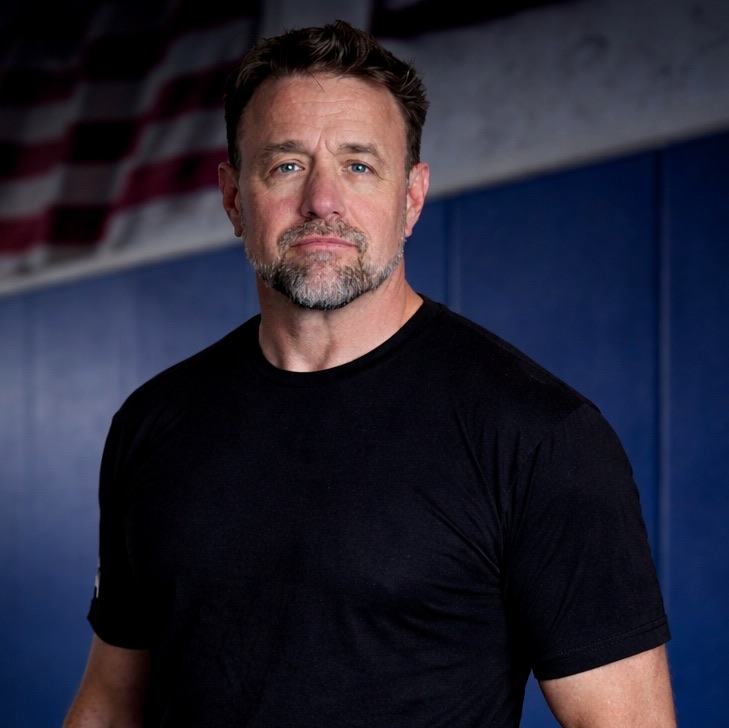
Alan Baker is a lifelong martial artist, educator, author, and founder of The Capable Academy, C-Tac, and Vehicle-Centric Defensive Tactics. His work brings together martial arts, defensive tactics, leadership, physical culture, and disciplined self-education. Through these programs, he helps students and instructors develop the judgment, adaptability, functional skill, and personal responsibility needed to become more capable in the changing conditions of real life.