
The Capable Academy • Field Notes
When Less Becomes More
What Joe Autera taught me about becoming an intuitive driver, why simplicity must be earned, and how serious training develops greater capability.
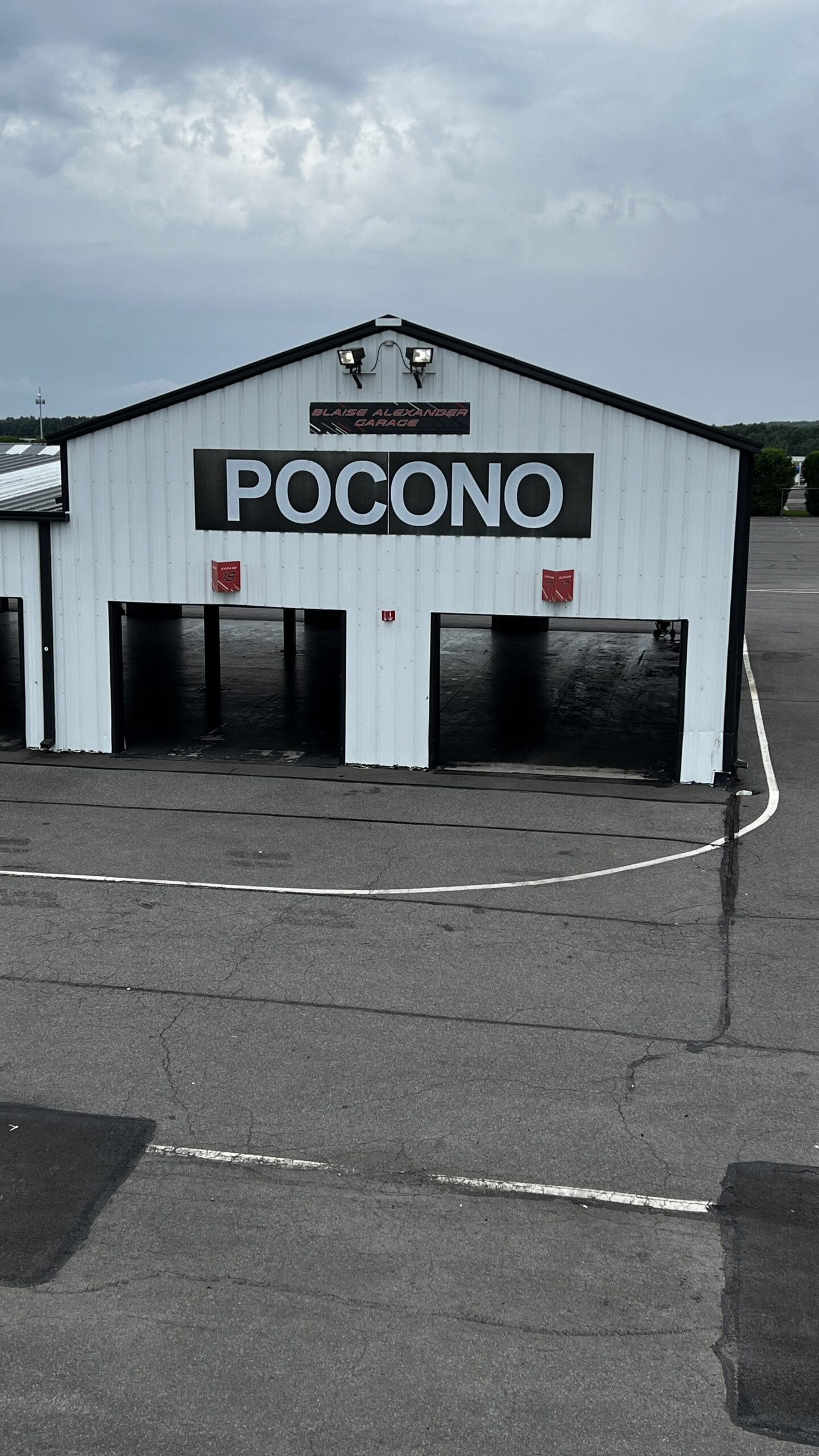
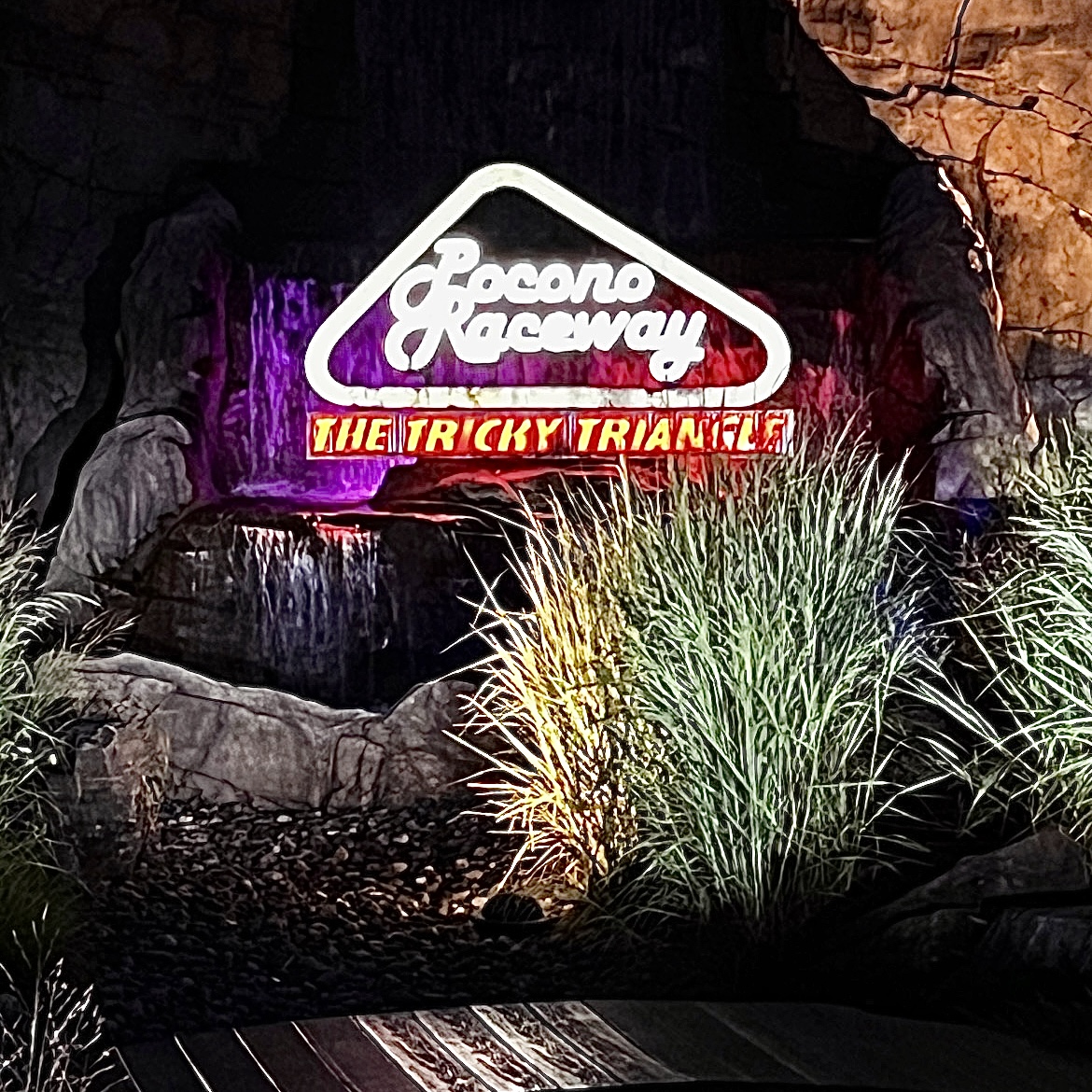
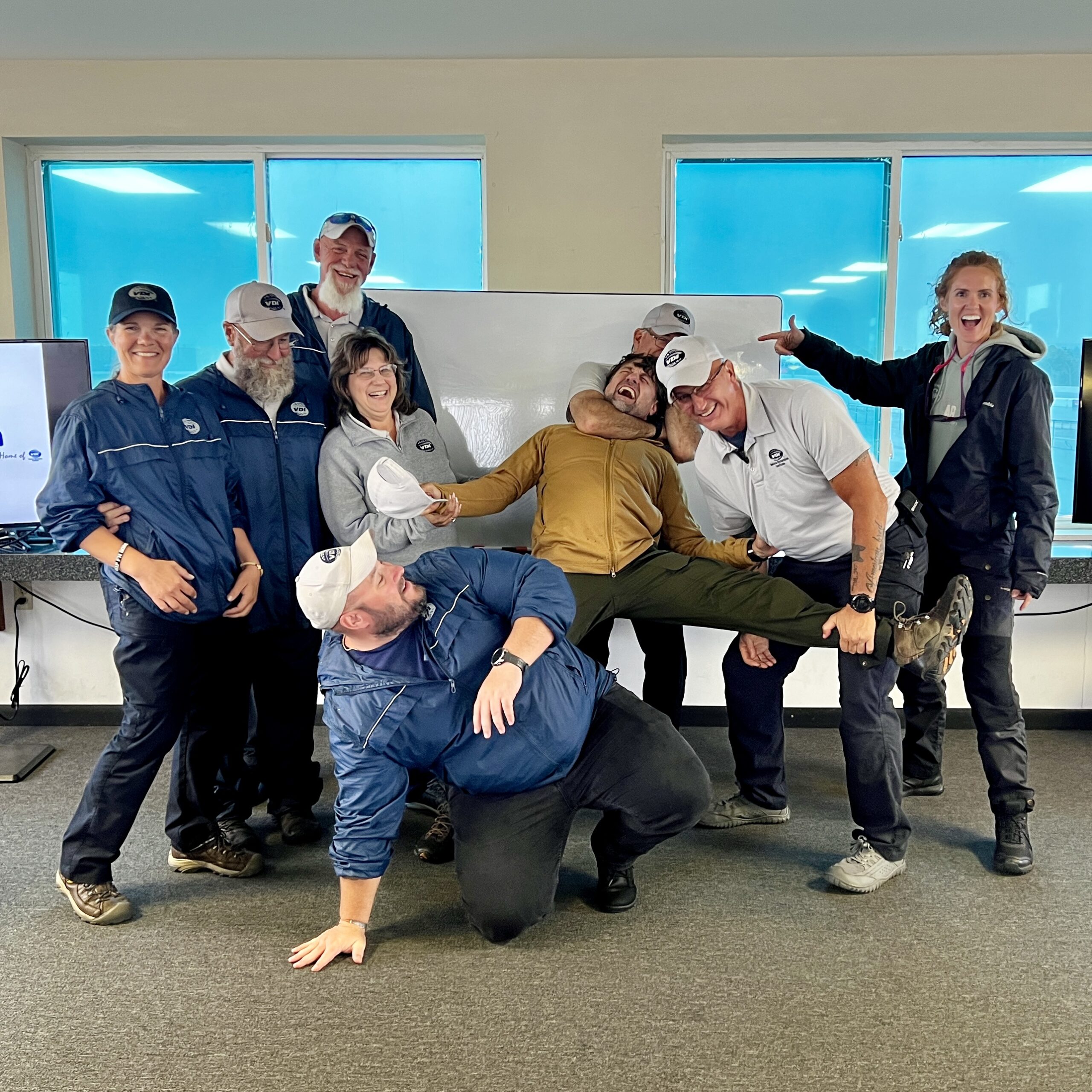
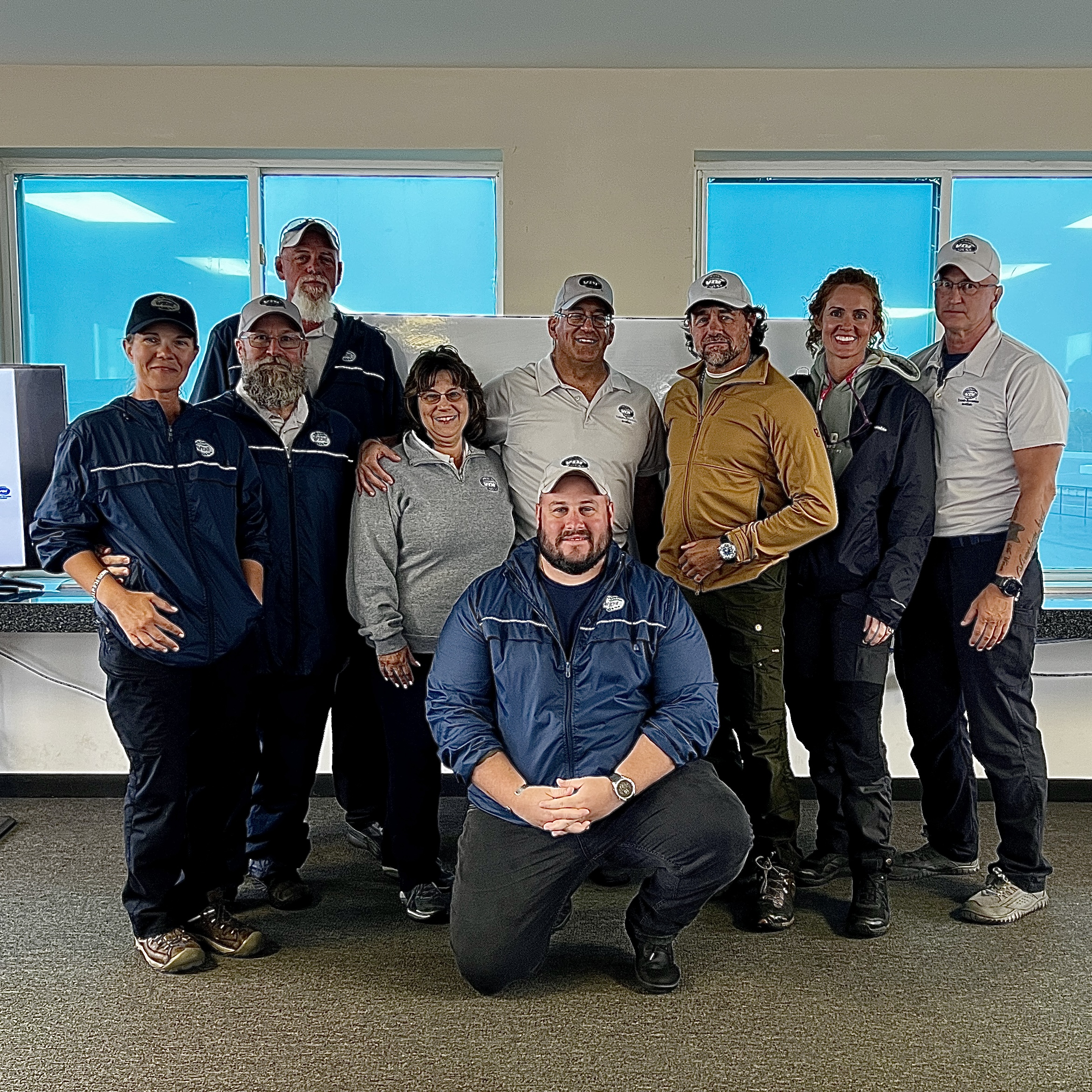
I recently had the opportunity to spend a week at Pocono Raceway in Long Pond, Pennsylvania, training with Joe Autera and the Vehicle Dynamics Institute team.
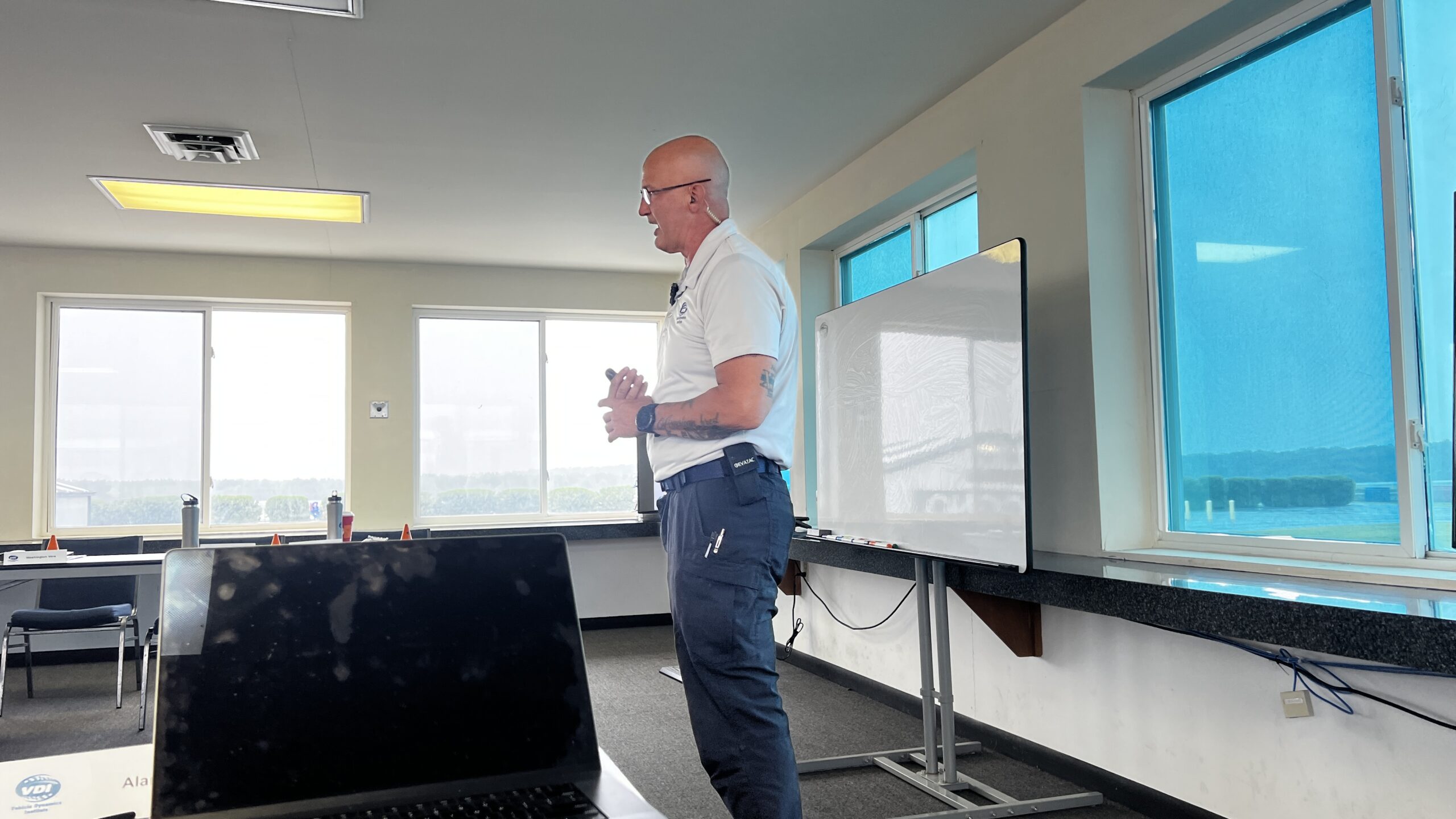
We completed the three-day Protective/Evasive Driving program and then shifted our focus to Vehicle-Centric Defensive Tactics. It was an outstanding course and an incredible training opportunity that challenged us to continue improving our skills, awareness, and overall capability behind the wheel.
The program is designed for professional security drivers, executive chauffeurs, and protection specialists who need the knowledge, judgment, and physical ability to provide secure transportation for clients, corporate executives, dignitaries, and other at-risk individuals. It is serious work conducted in a professional environment.
I have been fortunate to know Joe since 2010. Every time we get together, it becomes an educational experience. I am grateful for the training, the knowledge shared, and the opportunity to work with such a capable team.
But this trip gave me something else. After years of hearing Joe talk about becoming an intuitive driver and learning to feel your way through the problem, I finally began to understand what he meant at a deeper level.
A Week at Pocono
Learning in the Right Environment
There is a difference between receiving information and developing an ability. Information can be delivered quickly. Ability takes time, repetition, correction, and exposure to changing conditions.
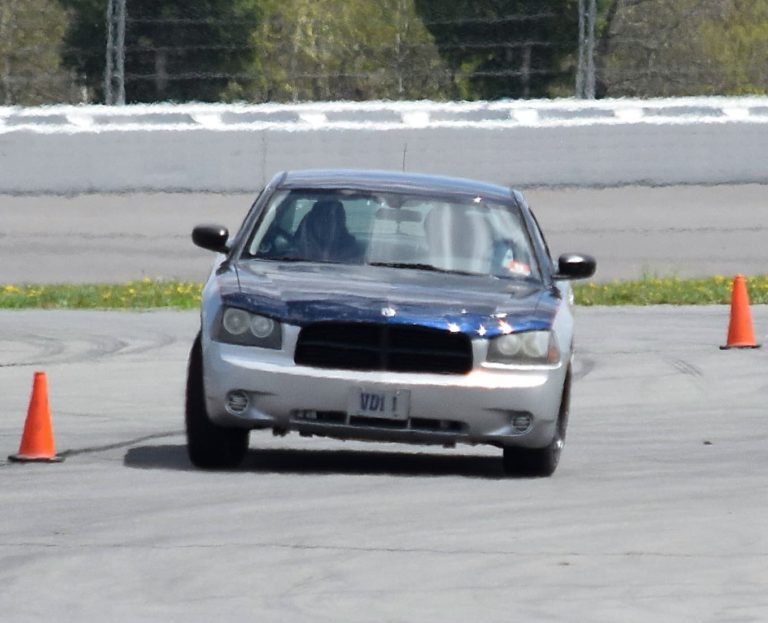
At Pocono, the track, vehicles, instructors, and training exercises created an environment where concepts could be tested honestly. You could feel the effect of a decision through the vehicle. You could observe the result, receive coaching, make an adjustment, and try again.
That cycle is one of the great values of a well-designed training environment. It turns an abstract idea into direct experience.
The Lesson
What Joe Taught Me About Intuition
Joe taught me that intuition is not guesswork, natural talent, or permission to ignore technical standards. Intuition is trained.
A driver first learns the mechanics. Where to look. How to position the hands. How weight transfers. How braking, steering, acceleration, traction, and available space interact. Those details matter because they create the foundation.
Over time, the separate details begin to connect. The driver starts recognizing patterns earlier. Correction becomes smaller. Decisions become cleaner. The vehicle no longer feels like a collection of controls. It begins to feel like an extension of the driver’s awareness.
The Driver
Perception, judgment, reaction time, experience, emotional control, and stress management.
The Vehicle
Capabilities, limitations, handling characteristics, technology, and response to inputs.
The Environment
Surface, visibility, space, hazards, time constraints, and the actions of other people.
Joe’s Security Driver Triangle places the driver, the vehicle, and the environment in relationship with one another. None of them can be understood in isolation. The capable driver learns to perceive them as a connected system.
That requires more than memorizing what to do. You must understand why the vehicle behaves as it does. You must experience how the same input produces different results when the surface, speed, load, space, or timing changes.
When Joe says to feel your way through the problem, he is not telling the driver to abandon thought. He is teaching the driver to recognize meaningful information earlier and understand what the vehicle is communicating.
Repetition alone is not enough. Training must vary the conditions while preserving sound principles. That is how a skill becomes sustainable, repeatable, and applicable outside the original exercise.
I had heard these lessons before. During this trip, I finally began to feel what they meant.
Intuition is not the absence of thought. It is the result of sound thought repeated until it becomes available without delay.
When less becomes more
From Mechanics to Feel
What Does It Mean to Feel the Problem?
Early in the learning process, we need conscious instructions. We need clear steps, specific reference points, and correction. We often talk ourselves through the process because the process is not yet ours.
With intelligent repetition, those instructions begin to settle into the nervous system. We stop forcing every movement through conscious analysis. We remain aware, but our awareness becomes broader. Instead of staring at one detail, we can perceive the relationship among several details.
This is where feel begins to develop.
Feel is the ability to receive information through movement, pressure, timing, sound, vision, balance, and position, then organize that information fast enough to produce an appropriate response. It is not mystical. It is a trained relationship between perception and action.
The goal is not to move without thinking.
The goal is to develop the kind of understanding that allows thought, perception, and movement to work together without unnecessary friction.
At the beginning, more instruction is often necessary. Later, more instruction can become interference. The learner has to grow to the point where the accumulated details become a simpler, more direct experience.
A Familiar Process
The Martial Arts Parallel
I have experienced this same transition through decades in the martial arts.
When a student begins, a technique may contain many visible parts. Foot position, posture, angle, structure, timing, contact, pressure, and follow-through all require attention. The student may feel as though more effort and more movement must produce a better result.
As understanding improves, unnecessary effort begins to disappear. The body learns which details matter and which movements are waste. The result often looks smaller, calmer, and simpler, but it is supported by years of study.
This is why simplicity is mastery. Simplicity at the beginning is often ignorance. Simplicity at the end is compression. The practitioner has gathered, tested, organized, and embodied enough information that less is now required.
No Shortcuts
You Cannot Skip the Process
People often want the simple answer without completing the complex work that produces it. They want intuition without repetition, confidence without exposure, and adaptability without first building dependable fundamentals.
But there is no shortcut to embodied understanding.
You must spend time with the mechanics. You must make mistakes in an environment where those mistakes can be observed and corrected. You must repeat the process under changing conditions. You must receive coaching from someone who can see what you cannot yet see.
Eventually, the instruction changes. It becomes less about adding another detail and more about removing what is unnecessary. That removal is possible because a deeper structure has already been built.
This is one reason I remain committed to being a perpetual student. I do not want to confuse experience with completion. I do not know what I do not know, and every serious training environment gives me another opportunity to find out.
Integration
From Vehicle Dynamics to Vehicle-Centric Defensive Tactics
The week did not end when the driving course concluded. We shifted our attention to Vehicle-Centric Defensive Tactics and examined what happens when the vehicle becomes part of a larger protective problem.
A vehicle is not merely transportation. It is an environment with structural barriers, confined spaces, limited lines of movement, access points, blind areas, and changing tactical relationships. A capable person must understand both what the vehicle can do and how to move, protect, communicate, and solve problems around it.
The driving work and the defensive tactics work belong together. Both require awareness, timing, positioning, judgment, and the ability to adapt as conditions change.
The better the fundamentals are understood, the more efficiently those systems can integrate.
The Capable Academy
The Work of Becoming More Capable
This experience also reflects the purpose behind The Capable Academy.
Capability is not a single technique, credential, or physical attribute. It is the expanding ability to perceive clearly, make sound decisions, adapt to changing conditions, and take effective action.
We strive to become more capable across several connected areas:
- Awareness, so we recognize important information earlier.
- Judgment, so we can choose an appropriate response.
- Adaptability, so a change in conditions does not collapse the entire plan.
- Physical ability, so the body can support the decision.
- Emotional control, so pressure does not take command of the process.
- Problem-solving under pressure, so our training remains useful when the environment becomes uncertain.
Becoming more capable is not about collecting endless information. It is about transforming useful knowledge into reliable ability. That transformation requires the right environment, qualified educators, honest feedback, repetition, and time.
It also requires humility. We have to be willing to return to the beginning, ask better questions, and admit when our understanding has not yet reached our performance.
That is one of the reasons I value opportunities like this week with Joe and the VDI team. They remind me that growth remains available when we are willing to step back into the role of the student.
The Long View
The Point Where Less Becomes More
There is a point in serious training where the visible process begins to shrink while the internal understanding continues to grow.
The driver uses less steering input because the eyes, timing, speed, and line are better. The martial artist uses less muscular effort because structure and position have improved. The educator says less because the student has learned how to observe, test, and correct.
Less becomes more because the unnecessary has been removed.
That point cannot be forced. It has to be earned through enough correct experience that the body recognizes the problem before conscious thought has to assemble every piece.
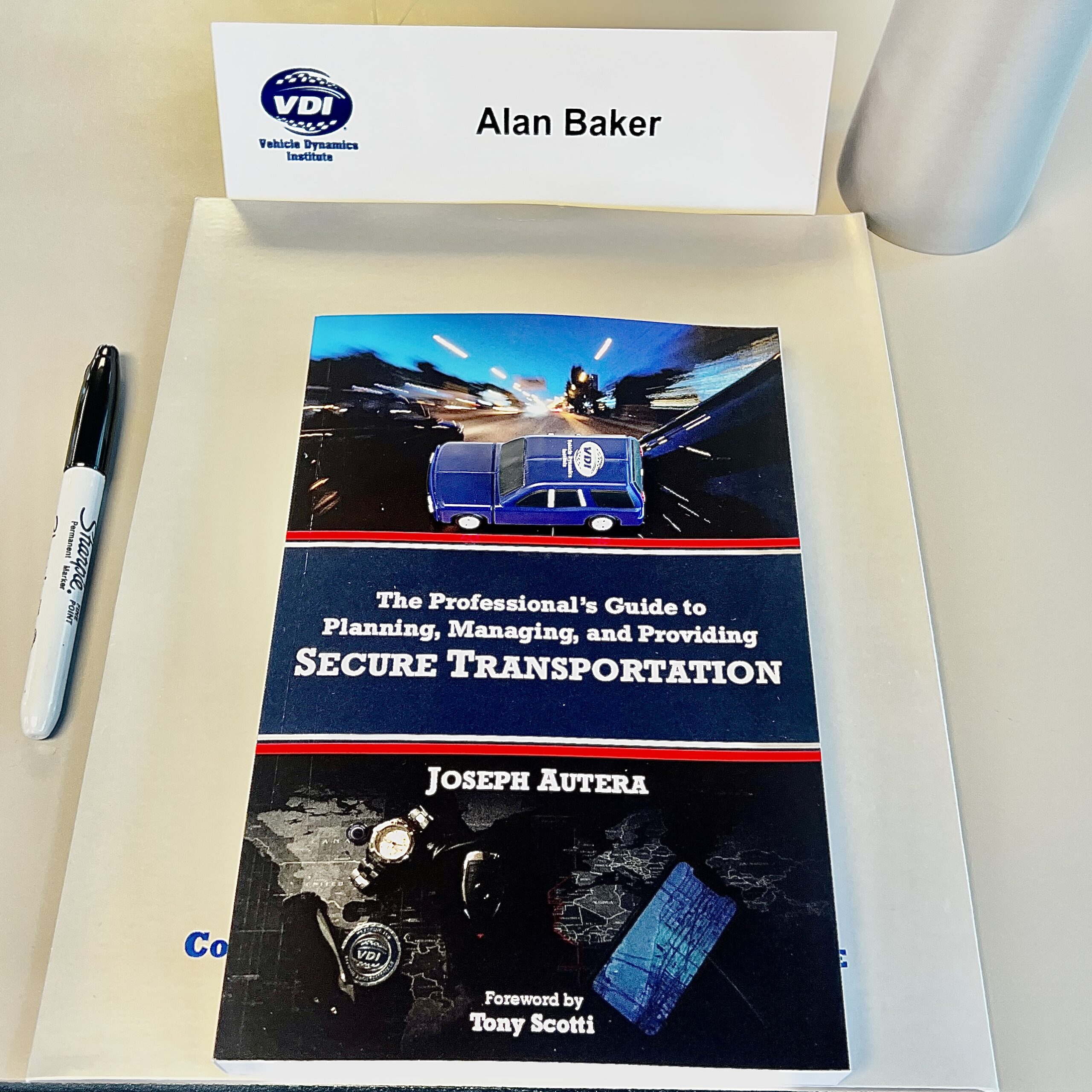
This trip to Pocono helped me understand that lesson in a new way. I am grateful to Joe Autera and the Vehicle Dynamics Institute team for the coaching, the professionalism, and the opportunity to keep learning.
We are already working on next year’s dates. I look forward to returning with more experience, better questions, and the same commitment to become more capable.
Continue the Work
Build Greater Capability
Learn more about the team and training that shaped this lesson, then continue exploring the wider work of becoming more capable.
About the Author
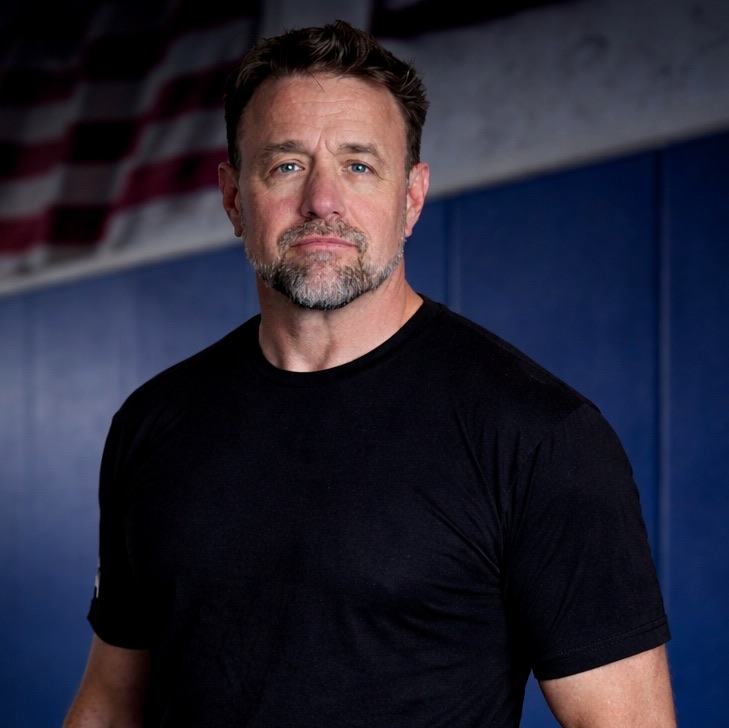
Sifu Alan Baker
Alan Baker is a lifelong martial artist, educator, and founder of The Capable Academy and Vehicle-Centric Defensive Tactics. His work brings together martial arts, protective driving, personal protection, and an organized approach to developing judgment, adaptability, and functional skill. Through these programs, he helps students and instructors build capabilities designed for the changing conditions of real life.