CSW World Conference • Episode One
Training With Coach Erik Paulson at the CSW World Conference
In this first episode from the CSW World Conference trip, I head out to Orange County, California for a full week of training, private lessons, conference footage, and time on the mat with some of the best martial artists in the world.
Media Title
Training With Coach Erik Paulson: CSW World Conference, Private Lessons, and Shin Locks
This episode begins the CSW World Conference travel series. I am heading out from Atlanta to Orange County, California for a full week of training, private lessons, conference sessions, conversations, behind-the-scenes footage, and mat time at the CSW Training Center.
One of the highlights of the trip was getting time with Sensei Erik Paulson. Coach Bob Burgee and I are fortunate to get out to the CSW Training Center several times a year because of our roles inside the organization. I serve as the Association Director for the CSW Association, and Coach Bob serves as the Technical Director. That gives us a front-row seat to the evolution of the system, the people carrying it forward, and the continued refinement of the material.
One of the perks of that responsibility is occasionally being able to get Coach Erik out on the mat for a private lesson. I always look forward to those moments because his mind works differently. He sees pathways, traps, transitions, attacks, counters, and details that most people never notice. In this session, we spent time looking at a series of painful and very slick shin lock options.
YouTube Description
CSW World Conference, Private Training, and Shin Locks With Coach Erik Paulson
In this episode, Sifu Alan Baker travels to Orange County, California for the CSW World Conference and a full week of training at the CSW Training Center. This video includes travel footage, behind-the-scenes moments, and a private lesson with Coach Erik Paulson and Coach Bob Burgee.
The technical portion focuses on shin locks from different grappling positions, including butterfly guard, back control, turtle, kneebar transitions, toe hold entries, and control positions where the shin becomes available as an attack.
This is part travel journal, part training session, and part look inside the kind of learning environment that continues to shape the Combat Submission Wrestling Association.
Why This Trip Matters
I do a lot of traveling now. Some of it is for teaching. Some of it is for conferences. Some of it is for private training, seminars, instructor development, business, and continued study. More and more, I am trying to capture those experiences because they are part of the larger story of the work.
The Capability Academy is built around a simple idea: we exist to build more capable human beings. Capability is not built by sitting still. It is built through education, training, reflection, experience, and action. That means you have to keep placing yourself in learning environments that challenge you, expose you to better people, and force you to keep refining your own understanding.
Traveling for training is one of those environments.
When I go to California to train with Coach Erik Paulson, I am not only going there because of my role in the CSW Association. I am going because I am still a student. I am going because there are people who have knowledge I do not have. I am going because proximity to the right people matters. I am going because a serious student should continue to seek the rooms where the standard rises.
That is one of the messages I want these travel and training videos to carry. They are not only behind-the-scenes clips. They are examples of what it looks like to keep learning after decades on the mat. There is no arrival. The serious student keeps studying, keeps refining, and keeps walking the path.
Who Is Coach Erik Paulson?
If you are not familiar with Coach Erik Paulson, he is one of the most unique martial artists and coaches in the modern grappling and mixed martial arts world. He is the founder of Combat Submission Wrestling, commonly known as CSW, and he has spent decades integrating grappling, submissions, striking, clinch work, takedowns, catch wrestling, Shooto, Brazilian Jiu-Jitsu, Muay Thai, boxing, and other combat systems into a highly functional approach to fighting and training.
Coach Erik is widely recognized as the first American to win the Shooto Light Heavyweight Championship in Japan. That alone places him in a rare category, but his contribution goes far beyond competition. He became known as a fighter, coach, technician, innovator, and bridge between different worlds of martial arts.
His background includes extensive study under some of the most respected people in combat sports and martial arts, including teachers connected to Shooto, Brazilian Jiu-Jitsu, catch wrestling, Jeet Kune Do, Muay Thai, and other systems. He has also worked with and coached many high-level fighters over the years. What makes Coach Erik different is not only the amount of information he has collected. It is the way he connects it.
Some people collect techniques. Coach Erik builds systems of relationship between techniques. A position is rarely just one position to him. It is a doorway. A grip is a doorway. A reaction is a doorway. A small mistake in the foot, shin, hip, shoulder, elbow, or head position can open up a chain of attacks.
That is why training with him is different. You are not just being shown moves. You are being exposed to a way of seeing. He has a deep ability to find pain, pressure, leverage, and submission opportunities in places many people overlook.
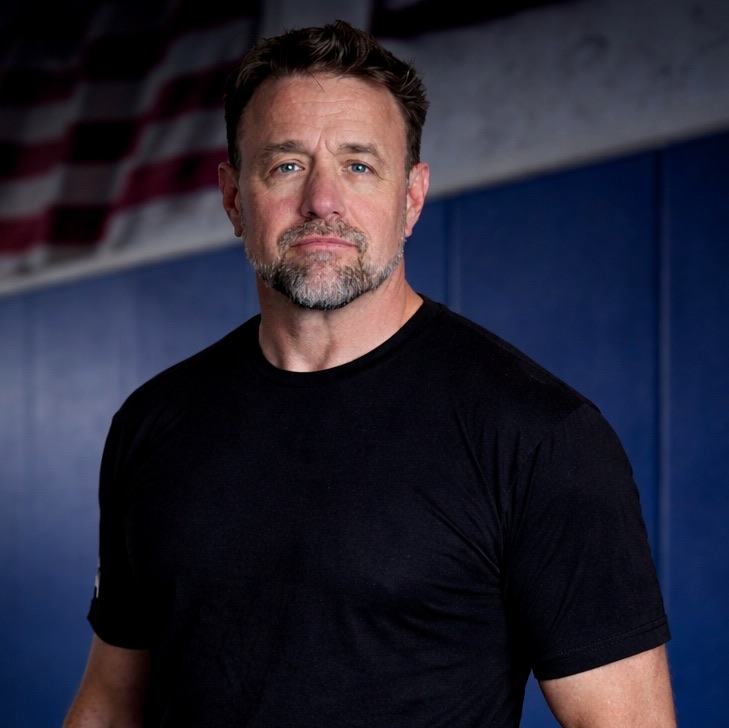
Coach Erik Paulson, founder of Combat Submission Wrestling.
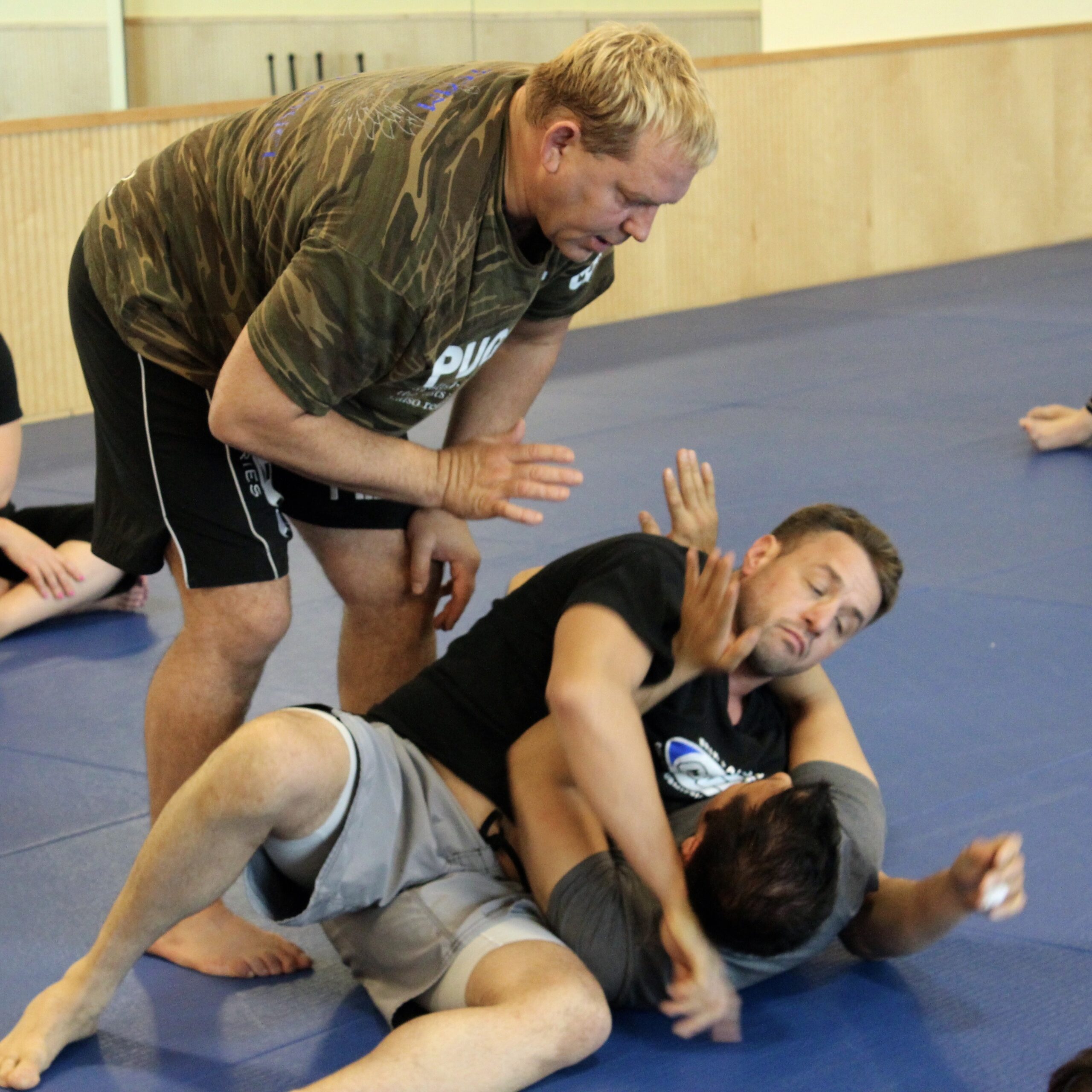
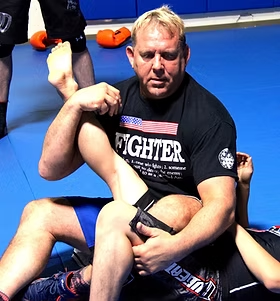
Coach Erik teaching me over twenty years ago.
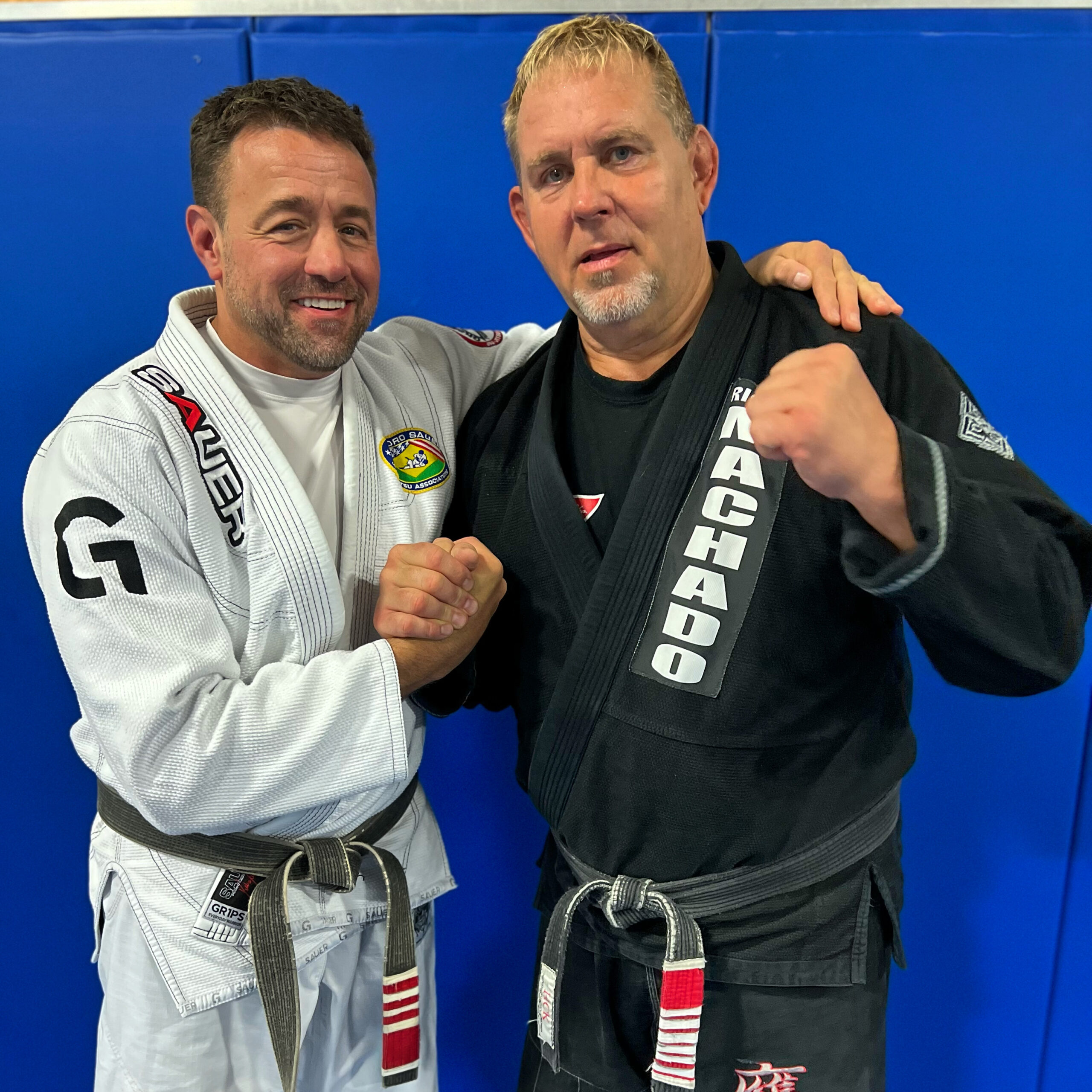
Coach Erik and I in Brazilian Jiu-Jitsu gis.
The right learning environment does not just give you more information. It changes what you are able to see.
Capability Academy PrincipleThe Value of Private Training
A private lesson with someone like Coach Erik is not like a normal class. In a class, the instructor has to manage the room, teach the group, keep everyone moving, and deliver material that can serve many people at different levels. That is valuable, and it has its place.
A private lesson is different.
In a private lesson, you can ask questions that come directly from your own training, your own teaching, your own weaknesses, and your own curiosity. You can follow a thread. You can stop on a detail. You can ask why something works, why it fails, what reaction usually appears, and what the next pathway should be.
That kind of learning is powerful because it is personal. It allows you to pick the brain of someone who has spent decades solving problems. When you get that kind of access, you should not waste it. You should show up prepared, stay curious, ask better questions, feel the details, and then do the work afterward to digest what you were given.
That last part matters. A private lesson does not automatically make you better. The lesson gives you exposure. The improvement comes from what you do after the exposure. You have to review it, drill it, teach it, test it, and work it into your own body.
This is one of the reasons I like capturing these sessions when possible. It gives me a record. It gives the association a record. It gives our instructors something to study. It gives students a window into the process. And it reminds me that the work is never finished.
The Technical Focus: Shin Locks
During this session, Coach Erik shared a series of shin lock attacks. If you have spent time around Coach Erik, you know he has a unique talent for finding painful lines through the body. He understands the small joints, the large joints, the transitions between them, and the strange spaces where most people do not expect danger to appear.
The shin lock material in this video is a good example of that.
A lot of grapplers are used to thinking about the major submissions first: armbars, chokes, heel hooks, toe holds, kneebars, Kimuras, Americanas, and so on. Those are important. But there are many other places in the body where structure can be controlled, folded, trapped, compressed, or attacked.
The shin is one of those places.
In the video, Coach Erik shows shin lock ideas from several positions and transitions. He begins from butterfly guard, controlling the hands and moving into head control. From there, the shin becomes available as the leg is positioned and the feet are crossed. He also shows options where the toes are pinned, the leg is drawn into position, and the lock comes on quickly.
What is important here is not only the lock itself. It is the idea that the lock appears because the body has been placed into a relationship. The position creates the opportunity. The control creates the pressure. The angle creates the submission.
Key Technical Lessons
Control Before Attack
The shin lock does not appear by accident. The opponent’s leg, hip, foot, and body have to be controlled before the pressure becomes useful.
Small Structures Matter
The shin, toes, ankle, knee, and hip all connect. A small change in one area can create major pressure through another.
Transitions Create Openings
Many of these attacks appear while moving between kneebars, toe holds, back control, turtle, and leg control positions.
Butterfly Guard and the First Shin Lock
The first position shown in the video begins with the opponent seated in butterfly guard. Coach Erik immediately addresses the hand fight. If the person in butterfly guard gets underhooks and begins to build their structure, the problem becomes more difficult. So the hands are blocked first. From there, the head can be controlled through a plum or headlock position.
Once the head and posture are managed, the leg position creates the opening for the shin lock. The foot steps into place, the legs cross, and the pressure begins to build through the shin. It is quick, uncomfortable, and easy to underestimate until you feel it.
That is common with Coach Erik’s material. A movement can look small on video, but when you feel it, there is a different conversation happening inside your body. The pressure is not always visually dramatic. Sometimes it is just a few inches of angle, a foot in the right place, a toe line pinned, a shin trapped, and suddenly the body has nowhere comfortable to go.
Pinning the Toes and Creating the Lock
Another detail in the video is the use of toe control. Coach Erik shows how placing the hand near the foot, pinning the toes, and pulling can create a fast shin lock. This is one of those areas where the person being attacked may not recognize the threat until it is already happening.
That matters because recognition is part of defense. If you do not know the line of attack, you may not know when you are in danger. By the time the pressure is fully applied, it may already be too late.
This is why studying unusual submissions can be useful even if you do not plan to make them the center of your game. They teach you where the danger lives. They make your body more intelligent. They expand your awareness of structure. They show you how different parts of the body connect under pressure.
In self-protection, grappling, MMA, and submission wrestling, awareness of structure matters. The more you understand how the body can be controlled, the better you can attack, defend, escape, and preserve your own safety.
Shin Locks From Turtle and Back Control
The video also shows shin lock ideas from turtle and back control positions. These are important because the legs often become available during transitions. A person turtles. A person turns. A person bends the leg to defend a kneebar. A person tries to escape a toe hold. A person gives you a temporary relationship between the shin, ankle, knee, and hip.
If you only see the obvious submission, you may miss the attack that is actually being offered.
Coach Erik shows toe hold options, step-over positions, kneeling pressure, reverse toe hold possibilities, and transitions where the shin lock appears as the person bends or protects the leg. This is one of the reasons his submission chains are so interesting. He is not locked into one answer. He is reading the body and taking the next available line.
That is a higher level of grappling development.
A beginner often asks, “What move do I do from here?”
A more developed practitioner asks, “What is the body giving me?”
A serious student does not only collect techniques. He studies the relationships between positions, reactions, pressure, and opportunity.
The Scholar’s Approach To TrainingThe Half Morning Newspaper and the Problem of the Bent Leg
One of the more interesting moments in the technical section happens during the transition toward a kneebar. Coach Erik references the “morning newspaper” position, then shows what can happen when the person naturally bends the leg to defend.
That bend creates a new problem, but also a new opportunity.
If the kneebar is no longer available in the same way, the shin may become available. The top leg, bottom shin, knee line, and toe hold pathways all begin to connect. The submission chain does not stop because the first attack failed. It changes direction.
This is the lesson I want people to pay attention to. The best grapplers are not simply running a list of moves. They are making adjustments based on what the other person gives them. If the leg straightens, one path opens. If the leg bends, another path opens. If the foot is hidden, another path opens. If the person turns, another path opens.
This is why Coach Erik’s work has so much depth. He is constantly building pathways between attacks.
Why I Keep Seeking Out High-Level Training
I have been in martial arts for a long time. I have taught professionally since 1990. I have spent decades building programs, teaching seminars, coaching instructors, working with students, and helping people become more capable through martial arts, self-protection, and self-leadership.
But I still seek out private lessons.
I still travel to train.
I still put myself in rooms where I can learn from people who see things differently than I do.
That is not accidental. It is a choice. It is part of the standard.
The moment you believe you no longer need to learn, your growth begins to close. You may still be teaching. You may still have rank. You may still have experience. But the edge begins to dull when the student inside you disappears.
That is one of the reasons the idea of the Scholar is so important inside the Capability Academy. A Scholar is a self-educator. A Scholar continues to search, test, reflect, and refine. A Scholar understands that knowledge is not collected for decoration. It is developed so it can become useful.
That is also why these travel videos matter. They are not just content. They are evidence of the process. The work is alive. The learning is still happening. The path is still being walked.
The Capability Academy Connection
The website is changing because the larger body of work is becoming clearer. The central word is capability.
Capability is the ability to meet life with greater skill, awareness, discipline, judgment, and purpose. It is developed through education, training, reflection, experience, and action. That definition is not limited to martial arts, but martial arts remain one of the strongest learning environments for developing it.
When I travel to Orange County to train with Coach Erik, that is capability development.
When Coach Bob and I study shin locks, review details, and bring that information back into the association, that is capability development.
When an instructor continues to put himself in the student role, that is capability development.
When we use a technical lesson as a doorway into better thinking, better training, better teaching, and better standards, that is the Capability Academy operating system in action.
The Academy is not built around one subject. Martial arts, defensive tactics, firearms, physical culture, leadership, business, self-education, travel, and personal development can all become learning environments. The center is not the activity. The center is capability.
That is why the blog is evolving as well. These posts are not just video summaries. They are becoming records of the path. Each video gives us a chance to extract a principle, preserve a lesson, and show how training connects to the larger mission of building more capable human beings.
Capability Principle
The serious student seeks environments that raise the standard.
It is easy to become comfortable in rooms where you already know the answers. Growth requires stepping into places where someone else can see what you cannot see, correct what you cannot feel, and expose you to details you would not find on your own.
Capability is not developed by information alone. It is developed when information meets training, reflection, experience, and action.
What This Episode Represents
This first episode from the CSW World Conference trip is part day-in-the-life, part training journal, and part technical study. You see the travel. You see the room. You see the private lesson. You see Coach Erik teaching. You see Coach Bob loaning his body to the lesson. You see the humor, the pain, the details, and the process.
That is what these trips are really like.
There is travel, airports, long days, tired bodies, training rooms, private lessons, conversations, laughter, pressure, pain, and learning. There are moments where your brain is full and your body is tired, but you know you are exactly where you need to be.
I am grateful for these opportunities. I am grateful to be part of the CSW Association. I am grateful to work with Coach Bob Burgee. I am grateful for the chance to continue learning from Coach Erik Paulson. And I am grateful that we can capture some of these moments and share them with the people following the work.
If you are watching this as a student, instructor, martial artist, or coach, I hope the takeaway is not only that shin locks are painful and interesting.
The bigger takeaway is this:
Keep learning.
Keep traveling when you can.
Keep seeking the people who can help you see more.
Keep putting yourself in rooms where growth is still required.
There is no arrival.
SEO Information
SEO Title: Training With Coach Erik Paulson at the CSW World Conference
Meta Description: Sifu Alan Baker travels to Orange County for the CSW World Conference, private training with Coach Erik Paulson, and a technical session on shin locks, CSW, and capability development.
Suggested Keywords: Erik Paulson, Combat Submission Wrestling, CSW World Conference, CSW Training Center, Sifu Alan Baker, Bob Burgee, shin locks, submission wrestling, catch wrestling, Shooto, Brazilian Jiu-Jitsu, MMA grappling, leg locks, private martial arts training, Capability Academy, martial arts travel, Orange County martial arts, CSW Association, Sensei Erik Paulson, submission grappling.
Sifu Alan Baker
Founder of the Capability Academy
Shift Your Perspective, Take Action, And Forge Your Path To Greatness